
1-619-810-0010 9AM-5PM (CST) : Mon - Thu 9AM-3PM (CST) : Fri 9AM-5PM (CST) : Sat - Sun
1-619-810-0010 9AM-5PM (CST) : Mon - Thu 9AM-3PM (CST) : Fri 9AM-5PM (CST) : Sat - Sun

Living Spinal
Mattress Overlay Systems: Air, Gel & Hospital Bed Mattress Toppers
Pressure relieving mattress overlays and medical toppers from ROHO, Medline, Lumex and MOXI. Chosen by a team that lives with paralysis and sleeps on this gear.
 Shop Mattress Overlay Systems Air, gel & foam overlays plus replacement mattresses

 Call (619) 810-0010
 Chat With a Specialist

✓ Owned by wheelchair users ✓ HSA/FSA eligible ✓ Expert sleep surface help
A mattress overlay sits on top of your existing bed and turns it into a pressure relieving mattress surface, without the cost of replacing the whole mattress. If you spend long hours in bed, live with a spinal cord injury, or are healing from a pressure injury, the right hospital bed mattress topper spreads your weight, protects fragile skin, and helps you actually rest.
We carry air mattress overlays, gel overlay mattress pads, alternating air pressure mattress pads, and full replacement mattresses, chosen by a team that is owned and operated by people living with paralysis. Tap any section below, or read our Pressure Sores Resource Guide.
›
Why Choose a Mattress Overlay for Pressure Relief?
A standard mattress pushes back hardest at your bony points: hips, sacrum, heels and shoulder blades. When you cannot shift on your own, that steady pressure cuts off blood flow and skin breaks down fast. A dedicated mattress overlay system takes that pressure off.
- Lower peak pressure: air cells, gel and shaped foam let your body sink in, so weight spreads over more surface.
- Bed sore prevention: a good bed overlay is one of the simplest daily habits for protecting skin after a spinal cord injury.
- Keeps your bed: overlays work on home beds and hospital beds, so you keep the frame and mattress you already own.
- Cooler, drier skin: many air and low-air-loss surfaces move air under you to manage heat and moisture.
- Easy to upgrade: start with a foam pad, then move to air if your skin needs more protection.
Real-world advice: Our team uses these surfaces every night. Even the best overlay still works best with regular turns and daily skin checks, so build both into your routine.
›
How to Choose the Best Mattress Overlay or Hospital Bed Mattress Topper
The best mattress overlay is the one that matches your skin risk, your bed, and how you move. Compare these six features before you buy:
Skin risk level
Low risk does well on foam or gel. Existing wounds or very high risk usually call for air or low-air-loss support.
Overlay material
Air adjusts to your body, gel stays cool and stable, and convoluted foam is the budget-friendly entry point.
Bed size
Most medical overlays fit a 35 to 36 inch hospital bed. Shopping for a queen or king mattress topper? Check the dimensions first.
Weight capacity
Match the rated capacity to the user. Bariatric surfaces are wider and built for higher weights.
Powered or static
Static overlays need no pump. Alternating pressure and low-air-loss systems need power and a quiet pump.
Transfers & edges
Thick, soft overlays can make transfers harder. Firm edges or a section you can deflate help with getting in and out.
Quick match
- Healthy skin, home bed? A gel overlay mattress or convoluted foam pad.
- History of pressure sores? An air mattress overlay such as ROHO, or an alternating pressure system.
- In bed most of the day? A full low-air-loss or alternating pressure replacement mattress.
›
Air, Gel & Foam Mattress Overlay Systems
From simple foam pads to adjustable air, here is how each type of mattress topper works and who it suits.
Air cell mattress overlays
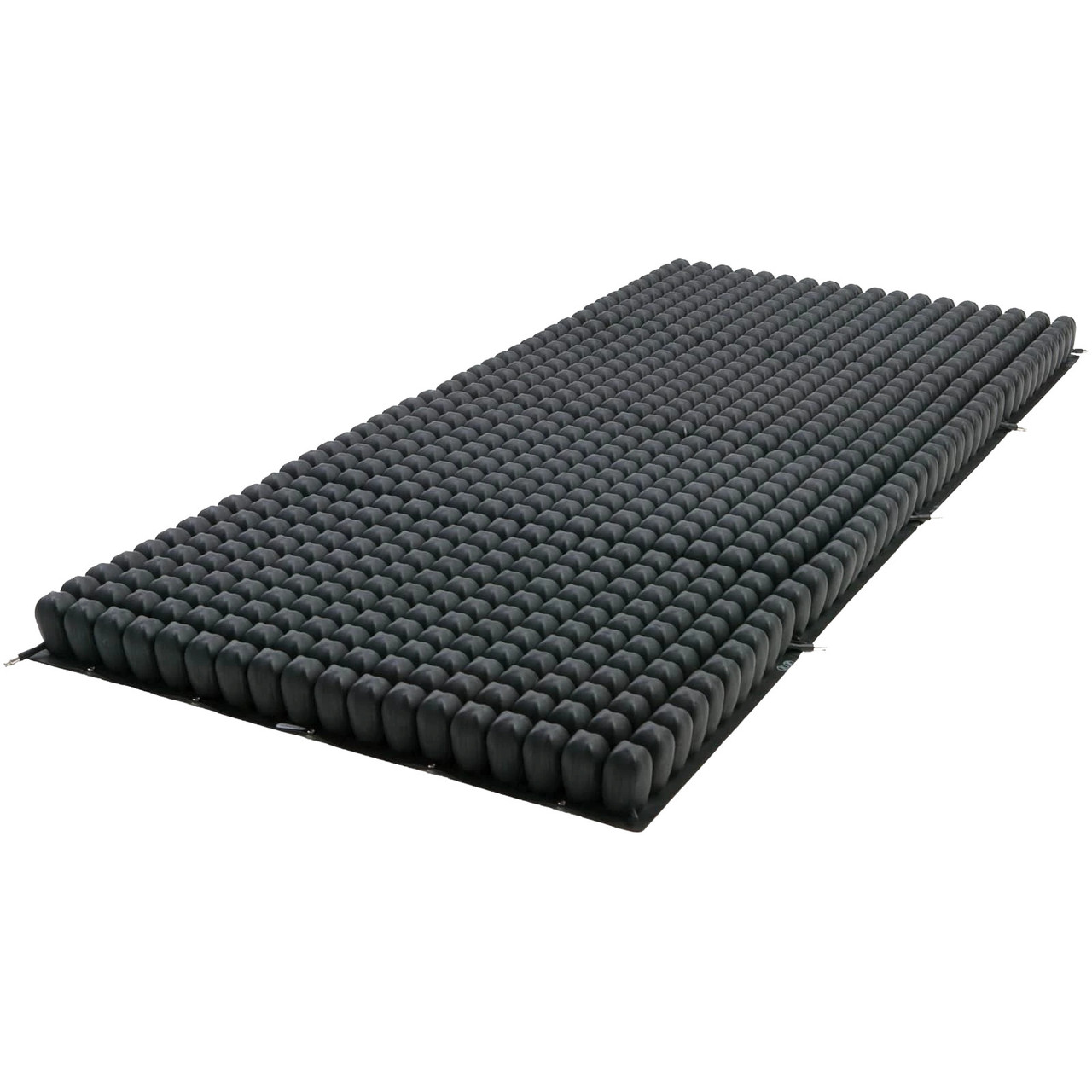
Air overlays use connected cells you can tune to your body. The ROHO DRY FLOATATION Mattress Overlay System uses the same cell technology as ROHO wheelchair cushions, while the ROHO PRODIGY Mattress Overlay System and ROHO SOFFLEX 2 Mattress Overlay System offer other zone and height options. If you already trust ROHO cushions in your chair, these feel familiar in bed.
Gel overlay for hospital bed and home use
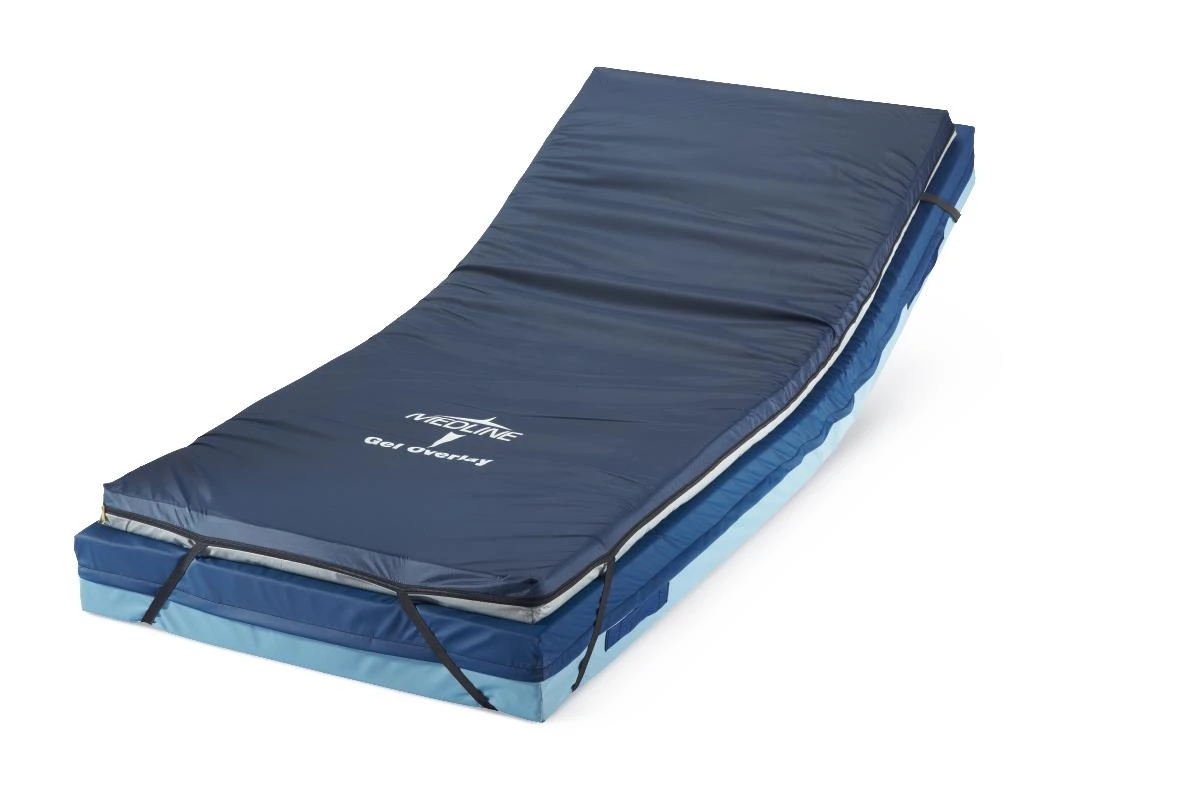
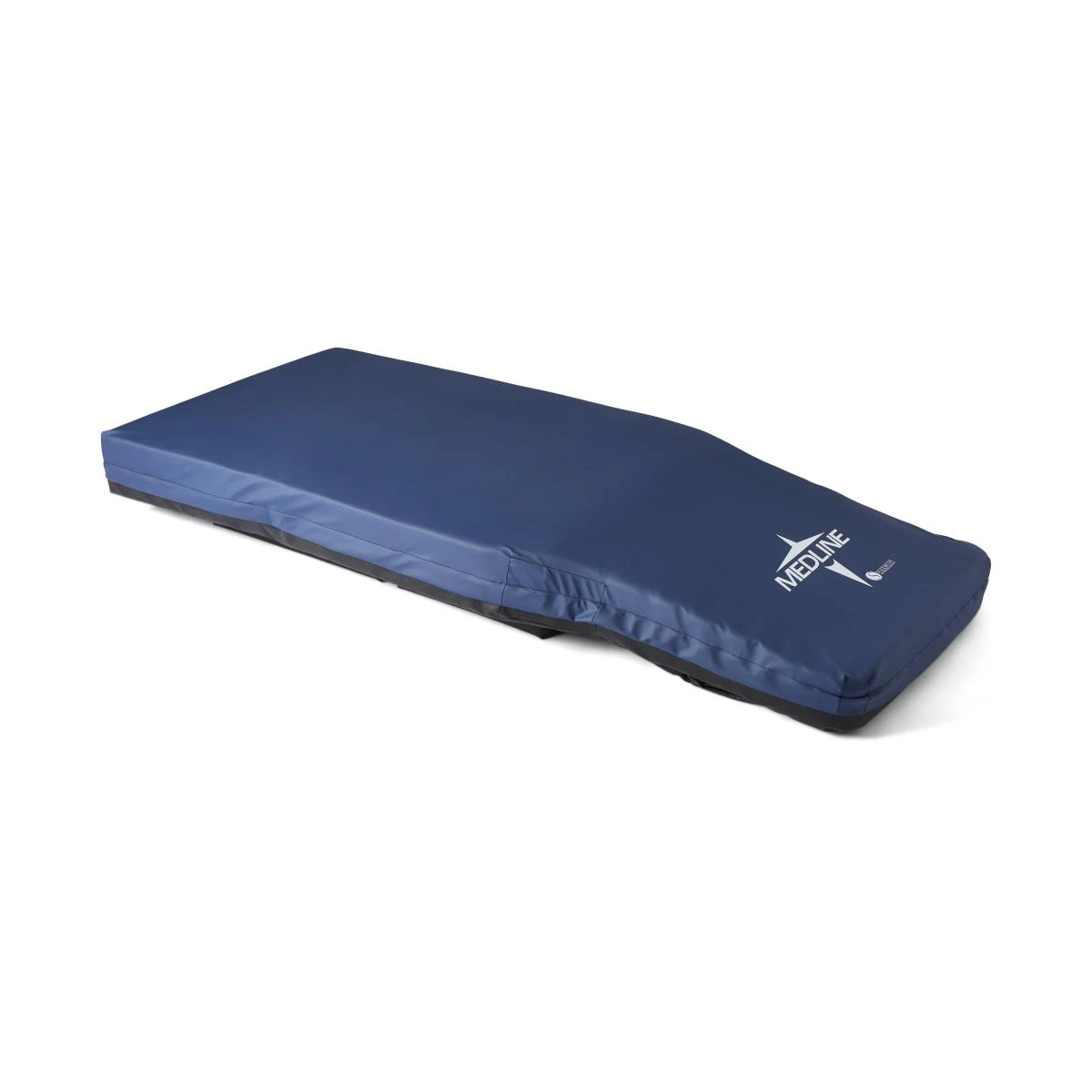
A gel bed overlay adds a cool, stable layer over foam. The Medline Standard Gel Foam Mattress Overlay and Lumex Lightest Foam/Gel Overlay are easy to place and need no power. A gel mattress overlay is also a smart pick for warm sleepers.
Foam pads for bed sores
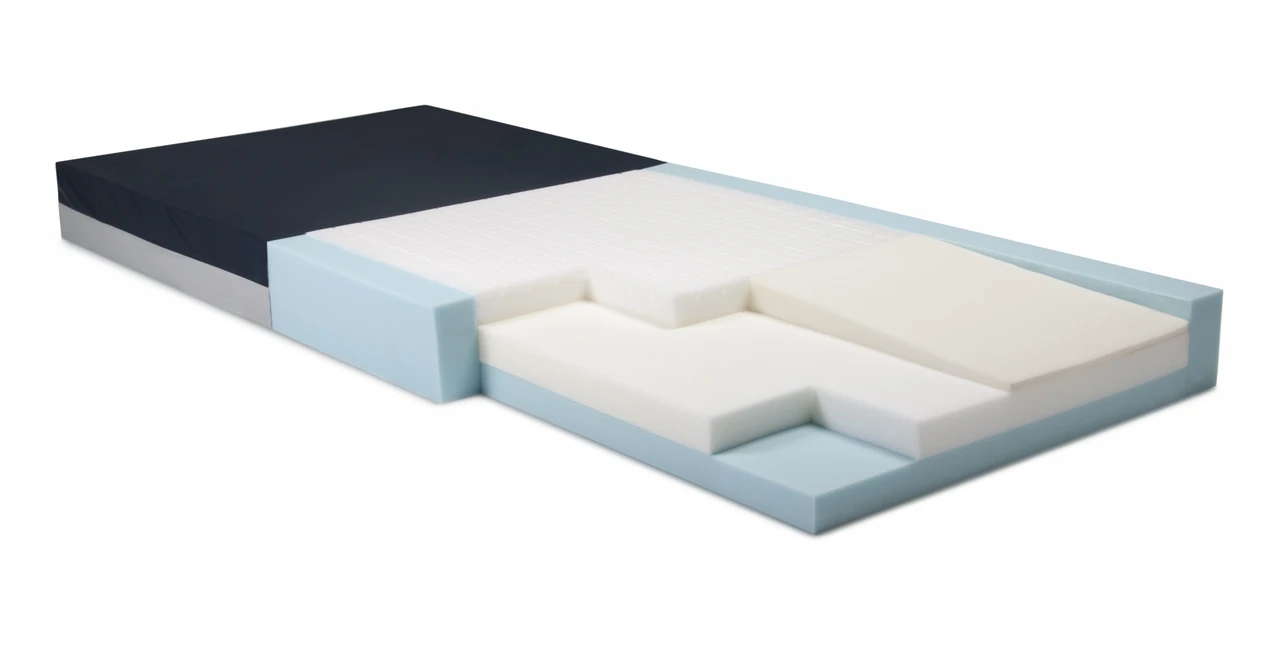
A foam pad for bed sores prevention is the most affordable starting point. The Medline Convoluted Foam Bed Pad uses egg-crate shaping to reduce pressure and let air move, and the MOXI Fusion 2K Mattress Overlay System combines layers for more support.
 Email
›
Alternating Air Pressure Mattress Pads & Low-Air-Loss Systems
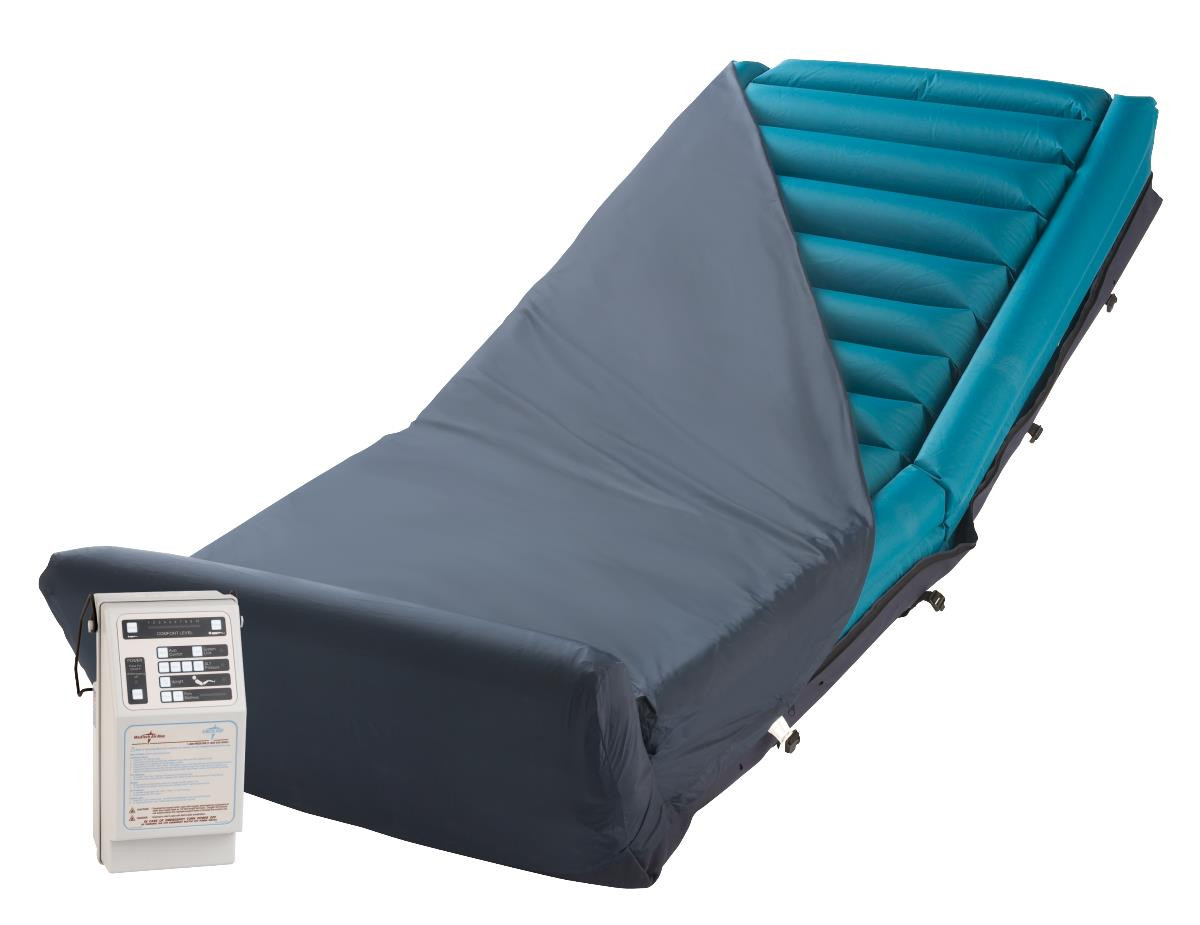
An alternating air pressure mattress pad uses a pump to inflate and deflate cells in a cycle, so no single spot carries pressure for long. Low-air-loss surfaces also leak a gentle flow of air to keep skin dry. These are often the go-to air bed for pressure sores.
Alternating pressure pads and overlays
The Medline AirOne APP Alternating Pressure Pump and Pad is an APP mattress overlay that goes on top of your current mattress. For a powered system with more depth, look at the MOXI Fusion APT Mattress System.
Low-air-loss and full air mattresses
For people at high risk, a full replacement air mattress may make more sense. Options include the Medline MedTech Air Max Mattress, Medline Supra Air Low-Air-Loss Mattress, Medline EqualizeAire Plus 9000 Mattress, Medline EqualizeAire Plus 12000 Mattress, and the Medline EqualizeAire 12000 Total Care Mattress.
Pro tip: Ask about pump noise and power-failure features. A quiet pump and a static mode that holds air during an outage matter a lot when you sleep on it every night.
›
Gel Overlay Mattress vs. Air Mattress Overlay: What to Compare
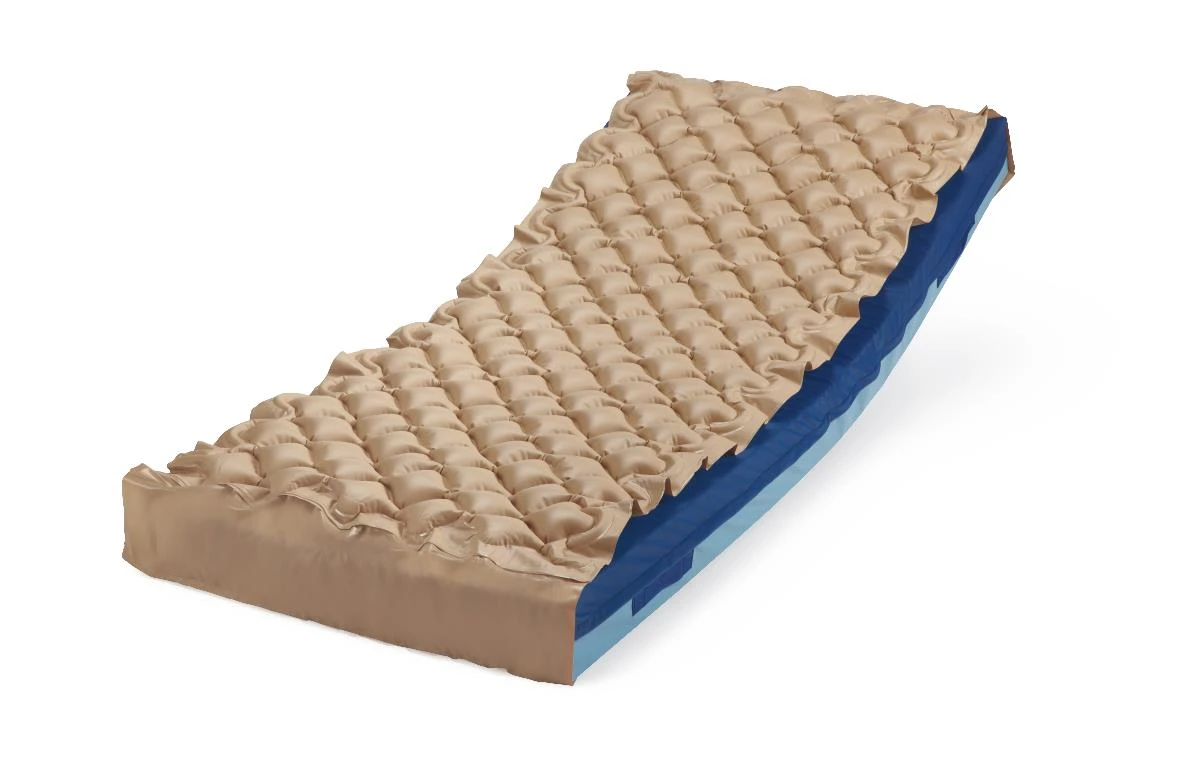
A gel overlay mattress pad is great if you want simple, quiet support with no pump. An air overlay mattress is better if you need adjustable or active pressure relief.
What to compare
- Pressure relief: air and alternating systems give the most relief. Gel and foam suit lower risk.
- Upkeep: static ROHO air overlays need regular inflation checks. Gel and foam need almost none.
- Your full setup: pair your overlay with the right beds and bed assists and, for daytime sitting, the right wheelchair seat cushions.
- Cleaning: look for fluid-resistant, removable covers if continence or wound drainage is a concern.
Browse our full lineup of home medical furniture, or see all air cushions for your wheelchair.
Pro tip: If you are between two surfaces, choose the one that protects your skin best today. You can always step down later as healing progresses.
›
Bariatric & Replacement Hospital Bed Mattresses

Sometimes an overlay is not enough, or the old mattress underneath is worn out. A full pressure relieving mattress replaces both layers with one engineered surface.
Foam and fiber homecare mattresses
The Lumex Select Comfort 500 Series Mattress, Lumex Select Comfort 600 Series Mattress, Lumex Select Series Foam Mattress, Medline Premium Foam Homecare Mattress, Medline High Performance Fiber Homecare Mattress, Medline Advantage Relief Max Mattress, and Advantage Select SE Mattress by Medline all fit standard hospital bed frames.
Bariatric mattresses
For wider beds and higher weights, compare the Medline Advantage Bariatric Relief Mattress and the Medline Supra Air Bariatric Low-Air-Loss Mattress.
Bedside safety
Add a Medline Beveled Edge Fall Mat beside the bed to cushion falls, and an overbed table to keep daily items in reach.
›
How to Set Up and Care for a Mattress Overlay System
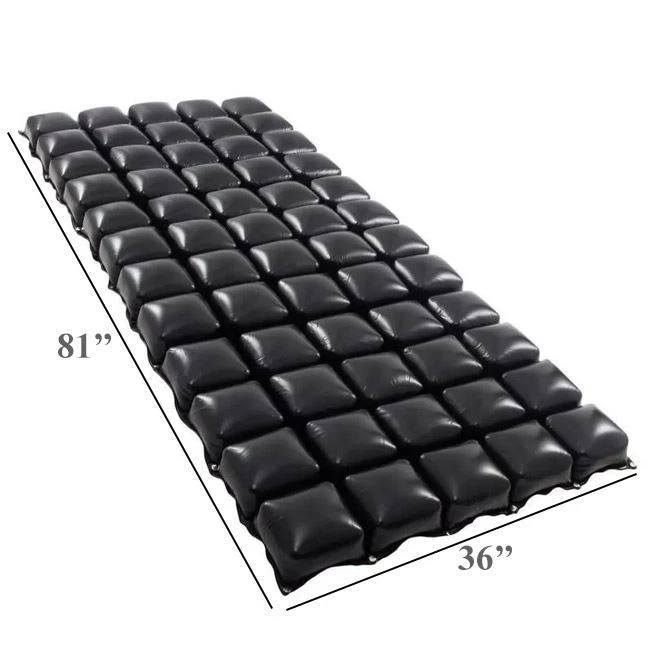
An overlay only protects your skin if it is set up right. Here is the checklist our team uses:
1. Check fit on your bed
Center the overlay so it covers the mattress edge to edge. Use the fitted cover or straps so it does not slide during transfers.
2. Set inflation or firmness
For air overlays, slide a flat hand under the person at the lowest bony point. You should feel about one inch of air between hand and body.
3. Protect it with the right cover
Use the ROHO Reusable Mattress Overlay System Cover or ROHO Mattress Overlay Enclosure Cover to keep cells clean and in place. Thin sheets work better than thick pads, which block pressure relief.
4. Replace sections, not the whole system
ROHO systems are modular. Swap a worn piece with a ROHO PRODIGY Mattress Overlay Section or ROHO DRY FLOATATION Mattress Section, and add a ROHO DRY FLOATATION Isolette for targeted heel or hip protection.
5. Keep up skin checks
Check skin morning and night, and keep turning on schedule. Our pressure sore prevention guide covers the rest.
›
Mattress Overlay & Topper FAQs
What is the difference between a mattress overlay and a mattress topper?
A mattress topper usually adds comfort, while a medical mattress overlay is built for pressure redistribution. Overlays use air cells, gel or shaped foam to lower pressure on bony areas and help prevent bed sores.
Can I put a hospital bed mattress topper on a regular bed?
Yes. Most overlays work on home beds, but many are sized for 36 inch hospital mattresses. On a queen or king bed, check the overlay dimensions and plan where the user will lie.
How long does a mattress overlay last?
Foam and gel overlays often last a few years with a cover. Quality air systems like ROHO can last much longer, and individual sections can be replaced as they wear.
Do I need a pump for an air mattress overlay?
Not always. Static ROHO overlays are inflated with a hand pump and then hold air. Alternating pressure and low-air-loss systems need a powered pump to work.
Can I use HSA/FSA, financing, or coupons?
Yes. We accept HSA/FSA cards, financing is available, and you can check our latest coupons and promo codes before you check out.
Need help choosing a mattress overlay? Let's talk sleep.
Living Spinal is owned and operated by people living with paralysis. Our product specialists sleep on these surfaces and can help you match an overlay or mattress to your skin, your bed and your budget.
Mon–Thu 9AM–5PM · Fri 9AM–3PM · Sat–Sun 9AM–5PM (CST)
 Free Video Consultation
Or leave your info and we'll reach out.
Check out these other categories
Beds & Bed Assists · Wheelchair Seat Cushions · Patient Lifts · Overbed Tables · Incontinence Supplies · Reclining Chairs