1-619-810-0010 9AM-5PM (CST) : Mon - Thu 9AM-3PM (CST) : Fri 9AM-5PM (CST) : Sat - Sun
1-619-810-0010 9AM-5PM (CST) : Mon - Thu 9AM-3PM (CST) : Fri 9AM-5PM (CST) : Sat - Sun
Living Spinal
Wheelchair Transfer Boards for Safer, Smoother Slides
Sliding boards for bed, car, toilet and tub transfers, chosen by people who transfer every day.
 Shop Transfer BoardsTherafin, Rolko, Sammons Preston and more below

 Call (619) 810-0010
 Chat With a Specialist

✓ Bed, car, toilet & tub✓ Owned by wheelchair users✓ HSA/FSA & financing
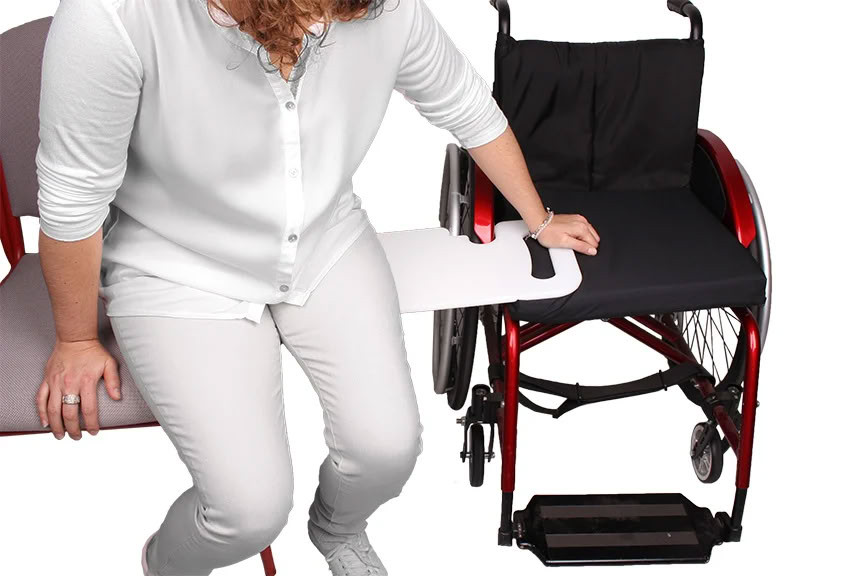
A wheelchair transfer board bridges the gap between your chair and a bed, car seat, toilet or tub bench, so you can slide across instead of lifting.
Living Spinal is owned and operated by people living with paralysis who slide-transfer every day. We can help you pick the right shape and length.
›
Why Use a Transfer Board?
A transfer board lets you move sideways in small scoots while your weight stays supported. It is one of the simplest, most affordable ways to transfer more independently. A good transfer board for wheelchair users also makes car and bathroom trips easier.
- Independence: many users transfer alone once they learn the technique
- Safety: less risk of slipping into the gap between surfaces
- Caregiver help: less lifting and back strain for helpers
- Portable: light enough to hang on the chair or keep in the car
From our team: We use slide boards every day. Keep one in the car and one at home so you are never stuck without it.
›
How to Choose a Slide Board
Length
Longer boards bridge bigger gaps, like car seats. Shorter boards suit bed and chair transfers.
Shape
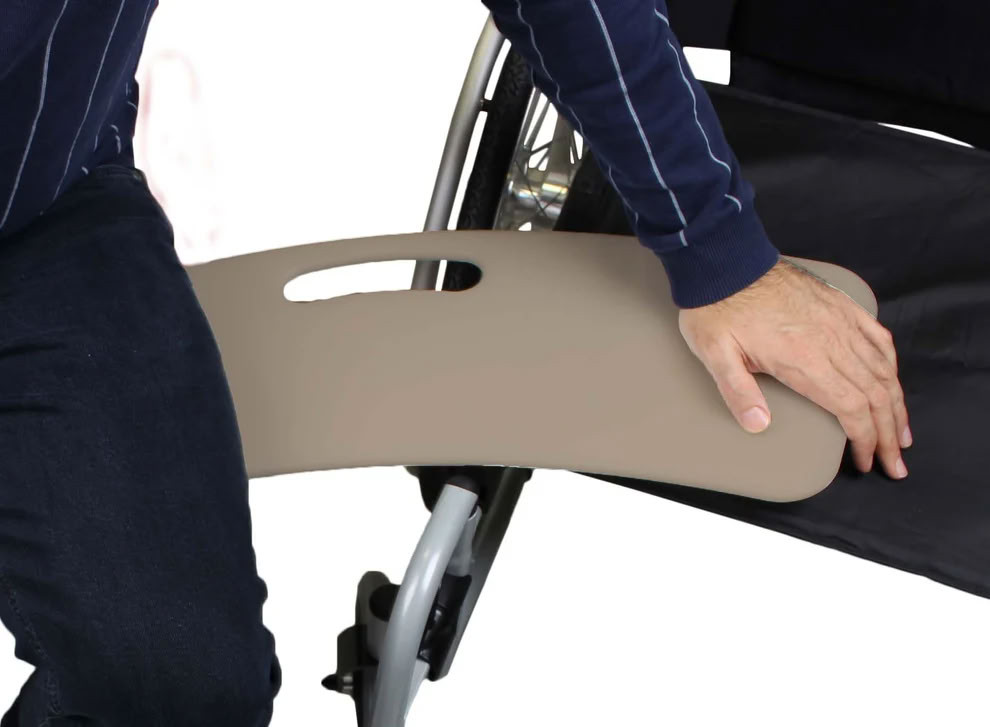
Straight boards are simple. A curved transfer board guides you around the wheel.
Hand holes
Cutouts give a caregiver or you a place to grip and position the board.
Surface
Smooth boards slide easily. Boards with a glider seat reduce skin friction.
Weight capacity
Check the rating, and look for heavy-duty boards for larger users.
Material
Wood feels sturdy and warm. Plastic is lighter and easy to clean.
Quick match
- Bed or chair transfers: straight 24 to 30 inch board
- Car transfers: longer or offset board
- Toilet or commode: commode transfer board
- Pivoting while standing: transfer disc
 Email
›
Types of Transfer Boards for Wheelchair Users
Straight sliding boards
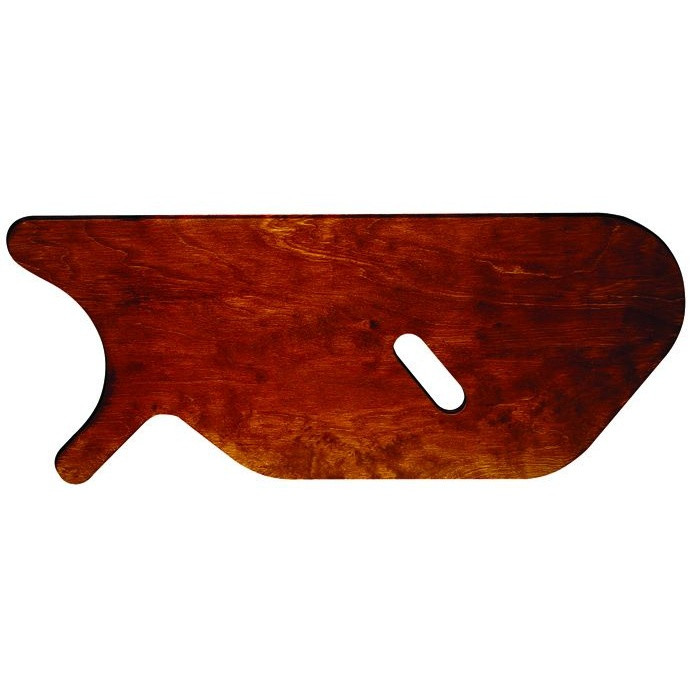
A classic sliding board like the Therafin Theraslide, Econoglide or Rolko Easy Transfer Board works for most bed and chair transfers.
Curved and offset boards
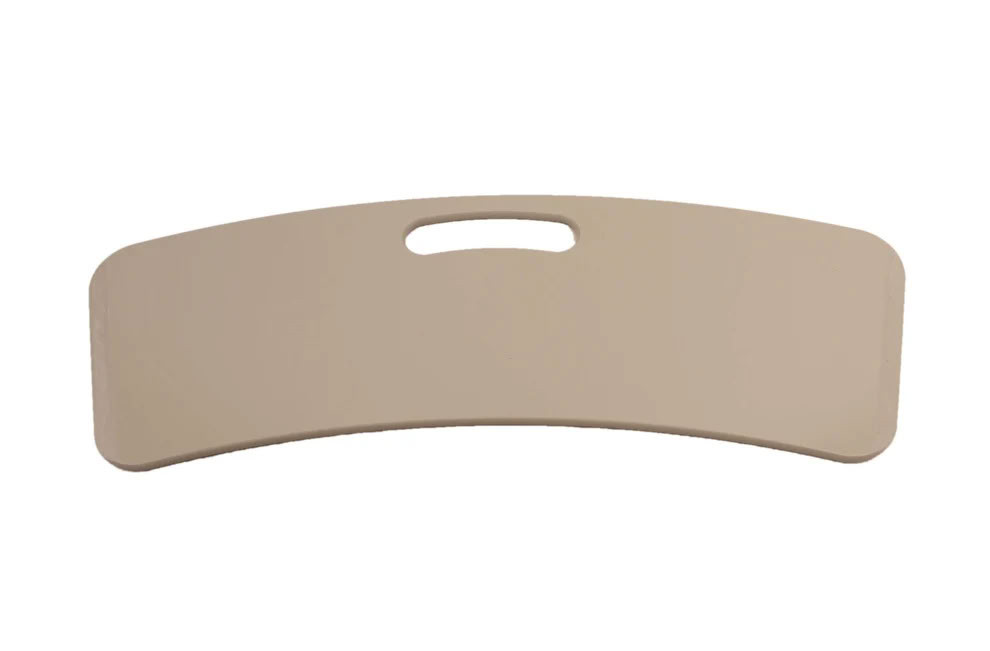
The Rolko Curved Board and Superslide Offset curve around the wheel so you can slide closer to the seat.
Boards with a glider seat
The Sammons Easy Transfer System has a seat that glides along the board, which helps protect skin.
Commode boards and transfer discs
A commode transfer board bridges to a toilet or commode. A transfer disc helps someone who can stand pivot their feet.
›
Car, Bed and Bathroom Transfers

Car transfers
A car transfer board should be long enough to reach the seat from your chair. Line the board up with the seat and lean away from your direction of travel.
Bed transfers
Get the bed and chair close to the same height. Slightly downhill is easier than uphill.
Toilet and tub transfers
Pair a board with a shower chair or commode chair. Dry the board first, since wet surfaces slip.
›
How to Use a Wheelchair Transfer Board
1. Set up the chair
Park at a slight angle, lock the brakes and remove the armrest and footrest on the transfer side.
2. Place the board
Lean away, slide one end well under your thigh and rest the other end firmly on the target seat.
3. Scoot in small moves
Push with your hands and lift slightly with each scoot. Keep fingers off the board edge.
4. Finish and remove
Settle onto the seat, then lean away and pull the board out. A therapist can help you practice.
Want a transfer walkthrough? Book a free video consultation.
›
Transfer Board FAQs
Who should use a transfer board?
Transfer boards for disabled adults and children help people who can sit up and use their arms but cannot stand to move between surfaces, such as many wheelchair users with spinal cord injury. Caregivers also use them to make assisted transfers safer. A therapist can confirm it is right for you.
What length transfer board do I need?
Most bed and chair transfers work with a 24 to 30 inch board. Car transfers and bigger gaps need a longer board, around 30 inches or more. Measure the gap you need to bridge and add room for the board to rest on both seats.
Wood or plastic transfer board, which is better?
Wood boards feel sturdy and are often very strong. Plastic boards are lighter, easier to clean and some slide more smoothly. Both work well; pick based on weight, cleaning needs and the weight capacity you need.
Can I use a transfer board alone?
Many people learn to transfer independently with a board after practice. Start with a caregiver or therapist close by, keep surfaces level and dry, and build up to solo transfers as you get comfortable.
Can I use HSA/FSA for a transfer board?
Often, yes. Transfer boards are medical equipment, so you can usually pay with HSA or FSA funds. Check our coupons too.
Can I use HSA/FSA, financing, or coupons?
Yes. We accept HSA/FSA cards, financing is available, and you can check our latest coupons and promo codes before you check out.
Need Help Choosing a Transfer Board?
Our team lives with paralysis and slide-transfers every day. Tell us where you transfer and we will help you pick the right board.
Mon–Thu 9AM–5PM · Fri 9AM–3PM · Sat–Sun 9AM–5PM (CST)
 Free Video Consultation
Or leave your info and we'll reach out.
Check out these other categories
Daily Living Aids & Assists · Patient Lifts · Sit to Stand Lifts · Shower Chairs · Commode Chairs · Wheelchair Ramps & Vehicle Lifts