
1-619-810-0010 9AM-5PM (CST) : Mon - Thu 9AM-3PM (CST) : Fri 9AM-5PM (CST) : Sat - Sun
1-619-810-0010 9AM-5PM (CST) : Mon - Thu 9AM-3PM (CST) : Fri 9AM-5PM (CST) : Sat - Sun
Living Spinal ★ Kids
Pediatric Standers: Kids Standers, Standing Frames & Standing Wheelchairs for Kids
Help your child stand tall, play at eye level and build stronger bones. Every stander is picked by a team that lives with paralysis and uses this equipment every day.
 Shop Pediatric StandersSee every kids stander & standing frame below

 Call (619) 810-0010
 Chat With a Specialist

● Grows with your child● HSA/FSA eligible● Owned by wheelchair users

Pediatric standers help children with limited mobility stand safely and comfortably, with support at the chest, hips, knees and feet. Daily standing can build bone strength, stretch tight muscles and let kids join friends at eye level. From the first infant stander to standing wheelchairs for kids and teens, the right frame turns therapy into part of the day.
Compare prone standers, supine standers, pediatric standing frames and mobile options, all chosen by a team that is owned and operated by people living with paralysis. Tap any section below, or read our Wheelchair Resource Guides.
›
Why Choose a Pediatric Stander for Your Child?
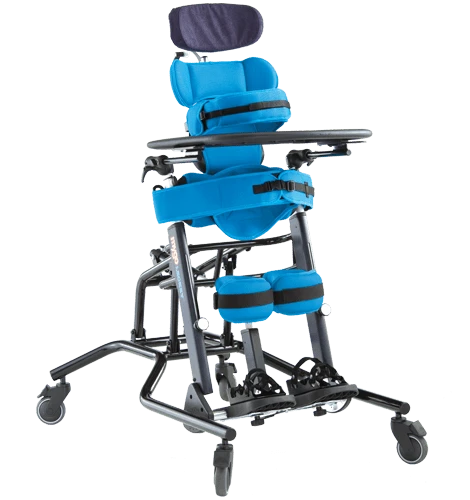
Sitting all day is hard on a growing body. A pediatric stander gives your child safe, supported time on their feet, which helps the body and lifts the spirit. Therapists often call it a PT stander because it is a key part of many home therapy plans.
- Stronger bones: weight bearing in a kids stander supports bone density and healthy hip development.
- Better body function: standing can help breathing, digestion, circulation and bowel routines.
- Stretch and range of motion: gentle, steady stretch for tight hips, knees and ankles.
- Eye level with friends: kids can play, learn and chat face to face at a table or counter.
- Confidence: standing tall gives children a new view of the world and a real sense of pride.
Real-world advice: Start with short sessions your child enjoys, like story time or a favorite game, and build up slowly with your therapist's guidance.
›
How to Choose the Best Pediatric Stander
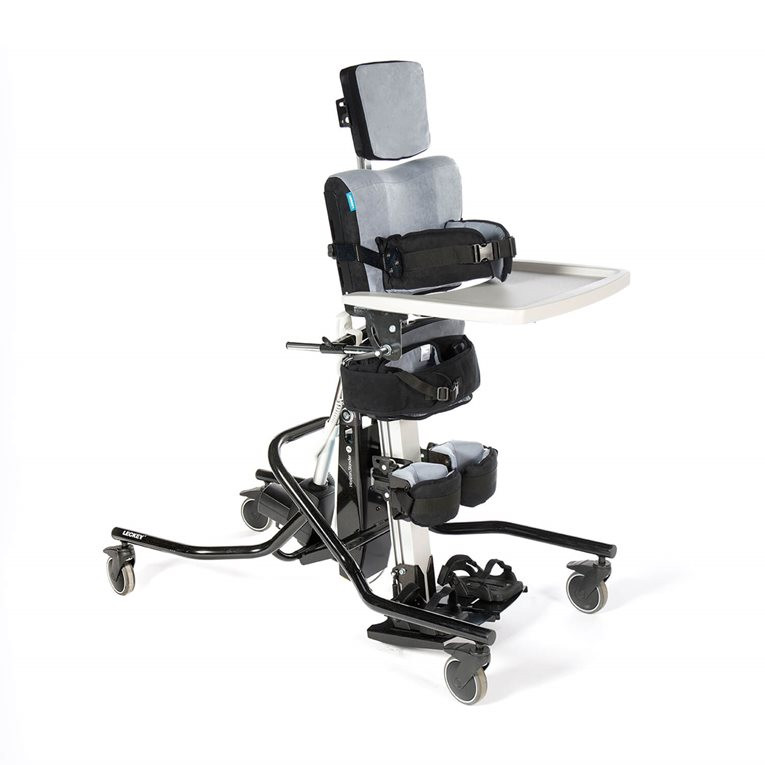
The best pediatric stander is the one that fits your child today and can grow with them. Compare these six features before you buy:
Size & Growth
Check height and weight ranges. Growth adjustments stretch your budget over more years.
Standing Position
Choose a prone stander, supine stander or upright frame based on head and trunk control.
Support Level
Look at chest, hip, knee and foot supports. Better alignment means safer, longer sessions.
Static or Mobile
A static pediatric standing frame stays put. A mobile or dynamic stander lets kids move.
Caregiver Ease
Easy transfers, tool-free adjustments and smooth casters make daily use realistic.
Fun Factor
Trays, bright colors and playful designs help kids look forward to standing time.
Quick match
- Good head control? A prone stander pediatric model leans forward and builds upper body strength.
- Needs more head support? A supine stander reclines back so the head and trunk are fully supported.
- Very young child? An infant stander or toddler frame sized for small bodies is the best start.
›
Prone, Supine & Upright Kids Standers Explained

Each type of special needs stander places the body a little differently. Here is how to tell them apart.
Prone standers
A prone stander supports the child from the front at a slight forward lean. It encourages head lifting and hands-on play. The Leckey Pronestander is built for this position with adjustable chest and hip supports.
Supine standers
A supine stander supports the child from behind and tilts gradually from lying to standing. It is a gentle choice for kids with low tone or limited head control, and it makes transfers easier for caregivers.
Upright and multi-position standers
Upright frames hold the child vertical with targeted support. The Mygo Stander by Leckey, the Horizon Stander and the Leckey Freestander offer adjustable positioning so the frame can be fine-tuned as needs change. See all our pediatric and kids mobility equipment for more ways to support daily life.
 Email
›
Infant & Toddler Standers: Starting Early

Many therapists recommend starting standing early. An infant stander or toddler frame is sized for small bodies, with soft supports and playful details that make standing feel like play time.
- Leckey Totstander: the Leckey Totstander gives young children supportive standing therapy with adjustable positioning for early development.
- Squiggles Stander: the Squiggles Stander by Leckey is a bright, friendly frame designed for little ones.
- Squiggles+ Stander: the Squiggles+ Stander adds advanced positioning features for kids who need more support.
Pro tip: Pick a frame with room to adjust. Toddlers grow fast, and growth range keeps a good stander in use longer.
›
Dynamic & Mobile Standers vs Static Standing Frames

A static pediatric standing frame stays in one place and is great for focused therapy, school work or meals at a table. A dynamic stander allows small movements while standing, and a mobile stander lets your child wheel themselves around.
What to compare
- Where it will be used: home, classroom or therapy clinic. Check the frame size and casters for your space.
- Activity level: active kids often enjoy mobile stander equipment, while static frames suit longer, calm sessions.
- Next steps in movement: kids building toward walking can also explore gait trainers and pediatric walkers.
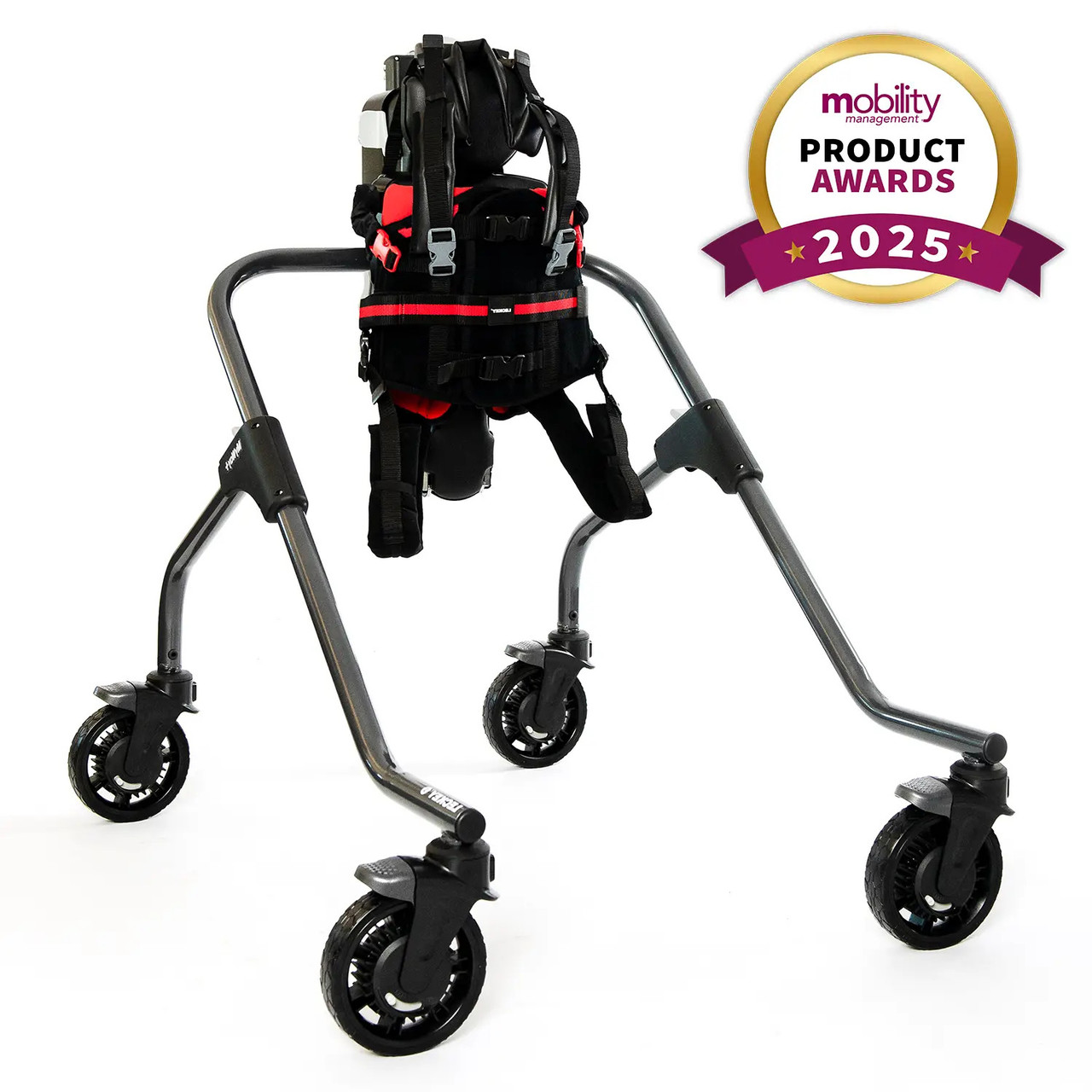
Looking for a stander walker? The MyWay+ Gait Trainer by Leckey supports upright stepping practice, a natural next step after standing.
›
Standing Wheelchairs for Kids & Teens
Older kids and teens often want to stand and move in one device. Standing wheelchairs for kids and teens combine a wheelchair and a stander, so they can rise to eye level anywhere: in class, at the counter or out with friends.
- Lightweight manual option: the Leo II Standing Wheelchair is our lightest standing wheelchair.
- Power assist: the Pegasus II Semi-Powered Standing Wheelchair uses power to help with the stand.
- Full power: the Phoenix II Standing Power Wheelchair and the Draco Electric Standing Wheelchair drive and stand under power.
Compare all manual standing wheelchairs and standing power wheelchairs, or see our pediatric wheelchairs for everyday seating.
Sizing note: Standing wheelchairs are sized for older kids, teens and adults. Call us with your child's height and weight and we'll confirm the fit before you order.
›
How to Start a Standing Program at Home
A kids stander works best with a simple plan. Here is the checklist our team shares with families:
1. Talk with your therapist
Ask about goals, standing angle and how many minutes a day to start with. Bring the plan when you shop.
2. Measure your child
Note height, weight, chest width and hip width. These numbers decide which pediatric stander will fit.
3. Set up the space
Pick a spot with room to transfer safely, near a table or window where your child can play, read or watch.
4. Make it fun and steady
Pair standing with a favorite activity and keep a regular time each day. Small, steady sessions add up.
5. Check the fit as they grow
Adjust supports every few months. Our Wheelchair Resource Guides cover more tips on fit and daily routines.
›
Pediatric Stander FAQs
What age can a child start using a stander?
Many children start supported standing as toddlers, once their therapist feels they are ready. Infant and toddler standers are made for small bodies.
Prone vs supine stander: which is better?
Neither is better overall. Prone suits kids with good head control, and supine suits kids who need more head and trunk support.
How long should my child stand each day?
Follow your therapist's plan. Many programs build up slowly from a few minutes to longer daily sessions.
Can a stander be used at school?
Yes. Many families use a stander at home and school. Mobile frames move easily between rooms.
Can I use HSA/FSA, financing, or coupons?
Yes. We accept HSA/FSA cards, financing and funding options are available, and you can check our latest coupons and promo codes before you check out.
Not sure which stander fits your child? Let's find it together.
Living Spinal is owned and operated by people living with paralysis. Our product specialists know standing equipment firsthand and will help you compare sizes, positions and funding options for your child.
Mon–Thu 9AM–5PM · Fri 9AM–3PM · Sat–Sun 9AM–5PM (CST)
 Free Video Consultation
Or leave your info and we'll reach out.
Check out these other categories
Pediatric & Kids Equipment · Pediatric Wheelchairs · Pediatric Walkers · Gait Trainers · Adaptive Scooters & Strollers · Pediatric Wheelchair Attachments