
1-619-810-0010 9AM-5PM (CST) : Mon - Thu 9AM-3PM (CST) : Fri 9AM-5PM (CST) : Sat - Sun
1-619-810-0010 9AM-5PM (CST) : Mon - Thu 9AM-3PM (CST) : Fri 9AM-5PM (CST) : Sat - Sun

Living Spinal
Wheelchair Seat Cushions: Air, Foam, Gel & Pressure Relief
Find the seat cushion that protects your skin and keeps you sitting comfortably, with help from people who sit on these cushions every day.
 Shop Wheelchair Seat CushionsROHO, Jay, Vicair, Varilite & more below

 Call (619) 810-0010
 Chat With a Specialist

✓ Pressure relief specialists✓ Owned by wheelchair users✓ HSA/FSA accepted
Wheelchair seat cushions protect your skin, level your pelvis and decide how long you can sit without pain. Whether you need an air cushion for wheelchair pressure relief, a stable foam base or comfy chair cushions for wheelchairs at home, the right seat cushion for wheelchair use makes every hour in your chair easier.
Compare air filled wheelchair cushions, gel, foam, honeycomb and hybrid designs from ROHO, Jay, Vicair, Varilite and Comfort Company, all chosen by a team owned and operated by people living with paralysis who use this equipment. Tap any section below, or read our Wheelchair Seat Cushion Guide.
›
Why Choose a Pressure Relief Wheelchair Seat Cushion?

Sitting for hours concentrates weight on your sitting bones and tailbone. A pressure relief seat cushion spreads that load across a larger area, which lowers the risk of pressure injuries and soreness.
- Skin protection: seat cushions for wheelchairs and padded wheel chair cushions reduce peak pressure on bony areas.
- Posture support: a contoured base keeps your pelvis level so you do not slide forward.
- All-day comfort: comfy wheelchair cushions reduce fidgeting and fatigue.
- Heat and moisture control: air and honeycomb designs let skin breathe.
Real-world advice: Our team sits on these cushions daily. The best cushion still needs weight shifts, so lean or lift every 15 to 30 minutes if you can.
›
How to Choose the Best Wheelchair Cushion

The best wheelchair cushion depends on your skin risk, posture and daily routine. Compare these six features before you buy:
Pressure relief
Air and alternating designs offer the most relief for high-risk skin.
Stability
Contoured foam bases hold your hips in place for pushing and reaching.
Weight
Lighter cushions matter if you lift your chair into a car every day.
Height
Low-profile cushions keep your seat height and help with table access.
Cover
Choose waterproof wheelchair cushions or covers if incontinence is a concern.
Maintenance
Air needs inflation checks; foam and gel need little upkeep.
Quick match
- Pressure injury history? A wheelchair air cushion or alternating pressure cushion.
- Need more stability? A contoured foam or hybrid cushion.
- Short outings only? Simple wheelchair pads or a wheelchair pillow cushion may be enough.
›
Air Cushion for Wheelchair Users: ROHO, Vicair & Alternating Air
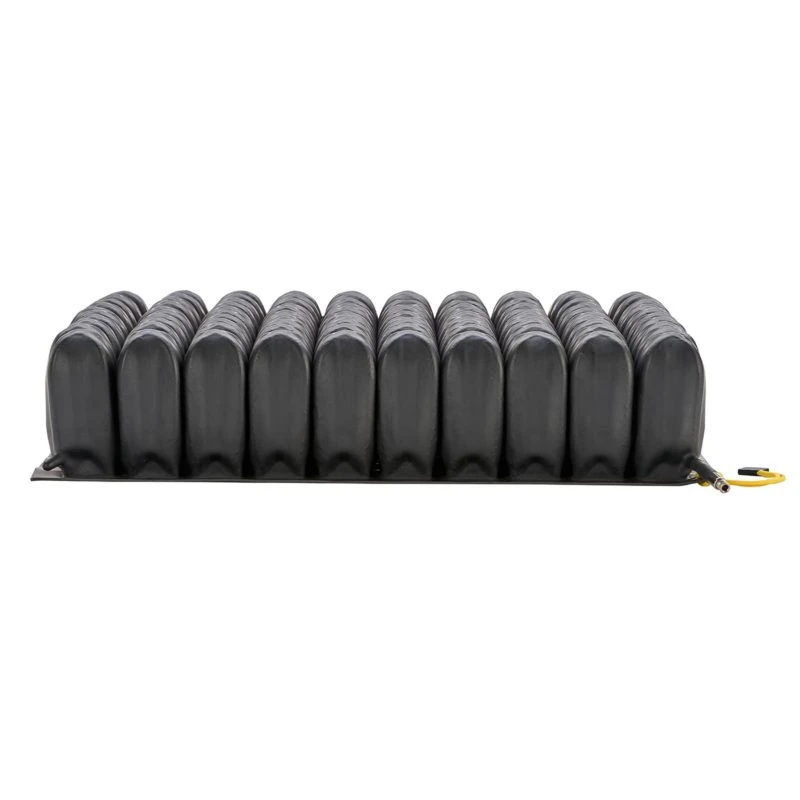
An air cushion seat for wheelchair use adapts to your shape as you move. It is the go-to choice for air cushion pressure relief when skin is fragile.
Interconnected air cells
The ROHO high profile single compartment cushion offers maximum immersion, while the ROHO QUADTRO SELECT low profile cushion adds four adjustable zones for positioning. These pressure relieving air cushion designs suit full-time users.
Air cell pods
The Vicair Adjuster O2 uses small air-filled cells you can add or remove, so the cushion never needs a pump.
Alternating air cushion for wheelchair users
The Ease Smart alternating pressure seat cushion shifts air between zones on its own. Compare every air chair cushion in air cushions.
›
Foam, Gel, Honeycomb & Hybrid Seat Cushions for Wheelchairs
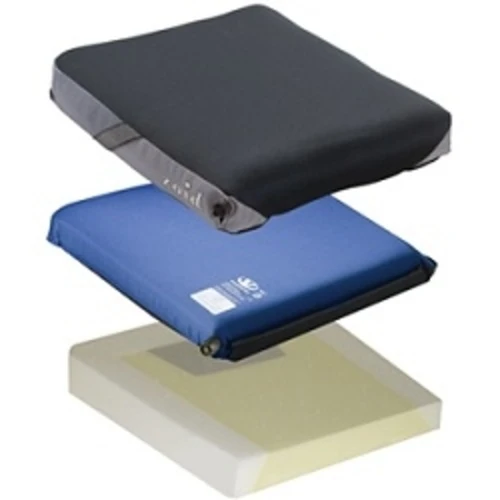
Not every user needs air. These types of cushions for wheelchairs trade a little pressure relief for stability, low weight or easy care, and each wheel chair seat cushion below fits most manual chairs.
Foam and self-inflating foam
Foam is light and stable. The Varilite Zoid wheelchair cushion combines foam with adjustable air. Browse foam cushions.
Gel and fluid
The Jay X2 wheelchair cushion uses fluid pads over a contoured base. See all gel cushions.
Honeycomb and hybrid
Honeycomb cushions breathe and wash easily; browse honeycomb cushions. The ROHO Hybrid Elite SR cushion pairs foam with air; compare hybrid cushions and wedge cushions.
 Email
›
Power Chair Cushions & Positioning Cushions
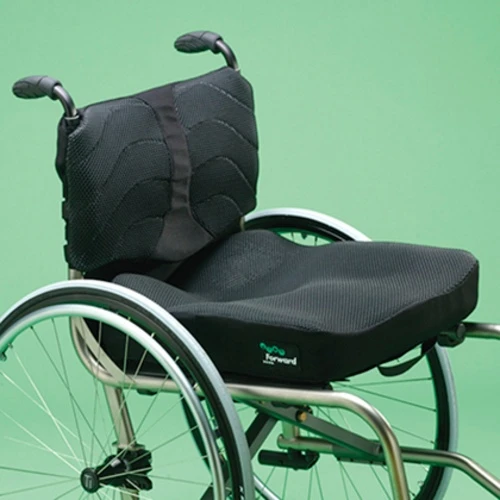
Power chair users often sit 10 hours or more. A power chair cushion needs strong pressure relief and positioning that works with tilt and recline.
What to compare
- Fit: match the cushion to the power seat pan width and depth.
- Positioning: the Ride Forward cushion and Ki Mobility AXIOM S guide the pelvis into a stable position.
- Monitoring: the ROHO high profile sensor ready cushion alerts you when inflation drifts.
Pair your cushion with one of our power wheelchairs or a supportive wheelchair backrest.
Pro tip: If you use power tilt, recheck air cushion inflation in both upright and tilted positions.
›
Waterproof Wheelchair Cushions, Covers & Care
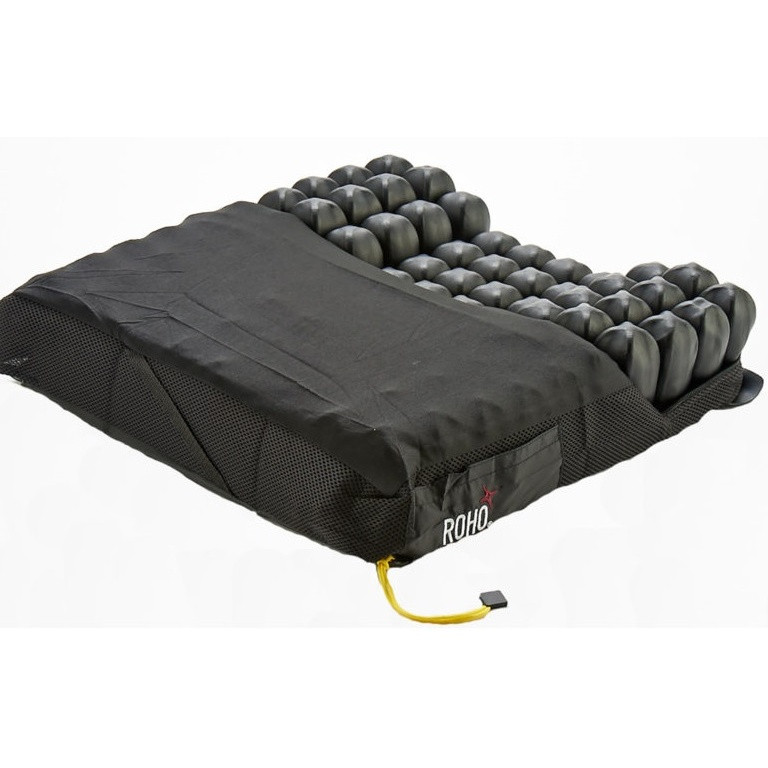
A well-kept cushion lasts longer and protects skin better. Covers, repair kits and simple routines keep wheelchair seat cushions working.
- Waterproof covers: incontinence-resistant covers protect foam and air cells.
- Repairs: the ROHO repair patch kit fixes small leaks in air cushions.
- Replacement covers: shop wheelchair seat cushion covers for most brands.
- Daily check: feel for bottoming out under your sitting bones every morning.
Pro tip: Keep a spare cover so one can be washed while the other is in use.
›
Checklist: Fitting a New Wheelchair Seat Cushion
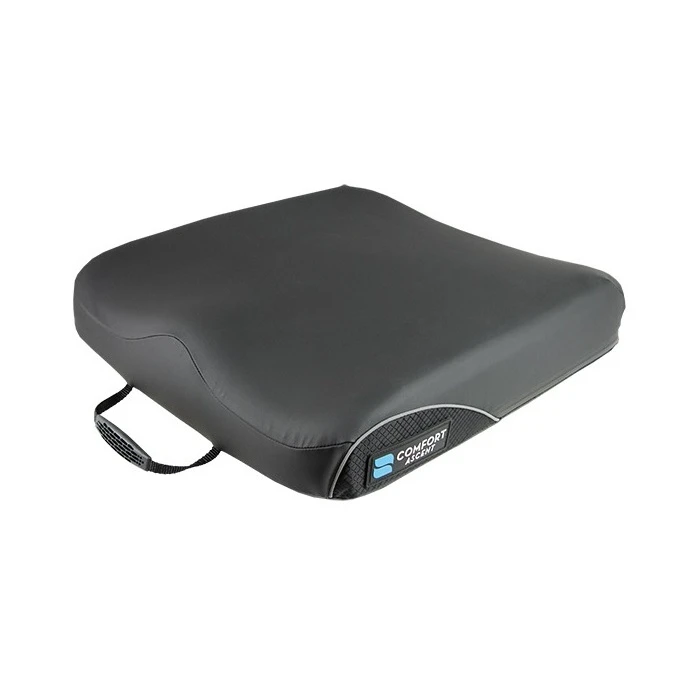
A new cushion goes much smoother with a plan. Here is the checklist our team uses:
1. Measure the seat
Measure your wheelchair seat width and depth. The cushion should match, not overhang.
2. Check orientation
Most contoured cushions have a front and back. Follow the label.
3. Set inflation
For an air cushion for wheelchair use, leave about one finger of space under your sitting bones.
4. Check your skin
Look for redness after 30 minutes and after one hour.
5. Fine-tune
Adjust after a week of use. Our Pressure Sores Resource Guide covers warning signs.
›
Wheelchair Seat Cushion FAQs
What is the best wheelchair cushion for pressure relief?
Adjustable air cushions like the ROHO QUADTRO SELECT give the most relief for most users.
Are air filled wheelchair cushions hard to maintain?
No. Check inflation daily by hand and keep a pump handy. Most leaks are easy to patch.
Can I use a wheelchair seat cushion on a regular chair?
Yes, many cushions work on office or dining chairs if the seat is flat.
How long does a wheelchair seat cushion last?
Most foam and gel cushions last 1 to 2 years; air cushions often last longer with care.
Can I use HSA/FSA, financing, or coupons?
Yes. We accept HSA/FSA cards, financing is available, and you can check our latest coupons and promo codes before you check out.

Need help choosing a seat cushion? Let's talk.
Living Spinal is owned and operated by people living with paralysis, so our seating specialists know these cushions firsthand. We will help you match a cushion to your skin, posture and chair.
Mon–Thu 9AM–5PM · Fri 9AM–3PM · Sat–Sun 9AM–5PM (CST)
 Free Video Consultation
Or leave your info and we'll reach out.
Check out these other categories
Seat Cushions & Backrests · Air Cushions · Foam Cushions · Gel Cushions · Wheelchair Backrests · Wheelchair Seat Cushion Covers