
null
Created with Sketch. Created with Sketch.
Power wheelchair user pointing the way on a city street, electric wheelchairs for independence

Living Spinal

Power Wheelchairs and Electric Chairs for Real Life

Folding, heavy-duty, standing and all-terrain power chairs, chosen by people who drive them.

Shop Power WheelchairsWHILL, Quickie, Wheelchair 88, Freedom Trax and more below
✓ Free virtual consultations✓ Owned by wheelchair users✓ HSA/FSA & financing

Power wheelchairs use a battery and motors to move you with a joystick, so you can go farther and do more without pushing.

Living Spinal is owned and operated by people living with paralysis. Our specialists help you match an electric wheelchair to your body, home and travel.

›

Why Choose an Electric Wheelchair
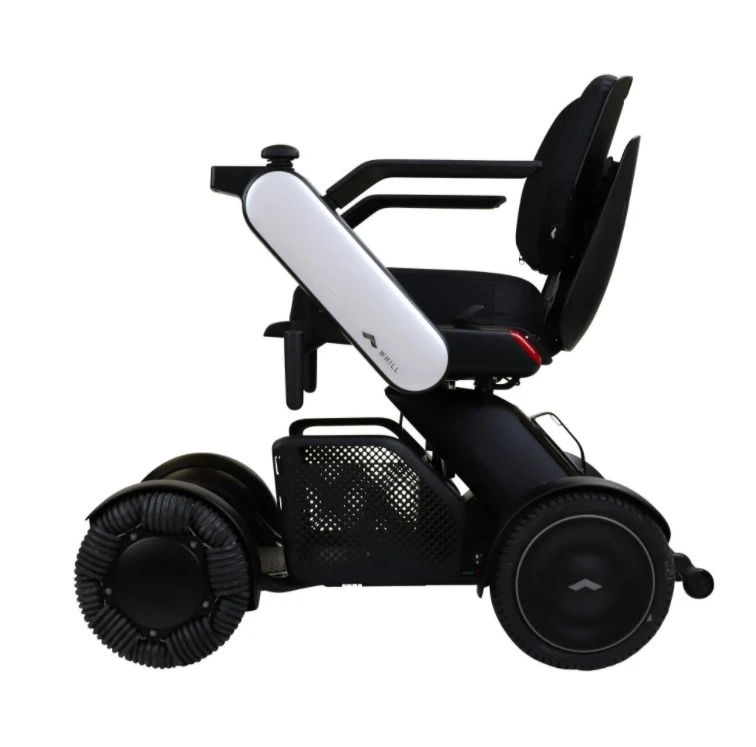
WHILL Model C2 power wheelchair, a compact electric wheelchair for indoor and outdoor use

A power wheelchair saves your shoulders and your energy. It is the right fit when pushing a manual chair causes pain, fatigue or limits how far you can go.

A motorized wheelchair, a wheel chair electric and an electronic wheelchair all mean the same thing: a chair you drive instead of push.

  • Go farther: many electric power chairs cover 10 to 20 miles per charge.
  • Protect your body: less pushing means less shoulder and wrist strain.
  • Stay independent: handle ramps, curbs and long days on your own.
  • Fit your life: choose folding, standing, heavy-duty or all-terrain designs.

From our team: If you are not sure you need full power, a power assist can add motor help to the manual chair you already use.

›

How to Choose the Right Power Wheelchair

Start with where you drive most, then weigh portability, size and controls.

Where you drive

Indoors needs a tight turning radius. Grass, gravel and hills need bigger wheels and more power.

Portability

Portable power chairs fold or split for the car. Full-size chairs need a ramp or lift.

Your size

Match seat width and weight capacity. Over 300 lb, look at heavy-duty frames.

Controls

Joystick position, speed settings and seating options should match your hand function and posture.

Quick match

  • Car trips and flights: a folding or lightweight electric wheelchair.
  • Rough ground and trails: an all-terrain 4x4 chair.
  • Standing for health and reach: a standing power chair.
  • Need a seat that fits your shape: call us before you buy.
›

Power Wheelchair Types, Explained

Lightweight and folding

Shop lightweight powered wheelchairs and folding powered wheelchairs for travel and small homes.

Heavy-duty and bariatric

Heavy-duty power wheelchairs add wider seats and higher weight limits.

All-terrain and outdoor

All-terrain powered wheelchairs like the Extreme X8 4x4 handle grass, sand and trails.

Standing and carbon fiber

Standing powered wheelchairs lift you to eye level. Carbon fiber powered wheelchairs cut weight for lifting.

›

Popular Power Chairs for Sale
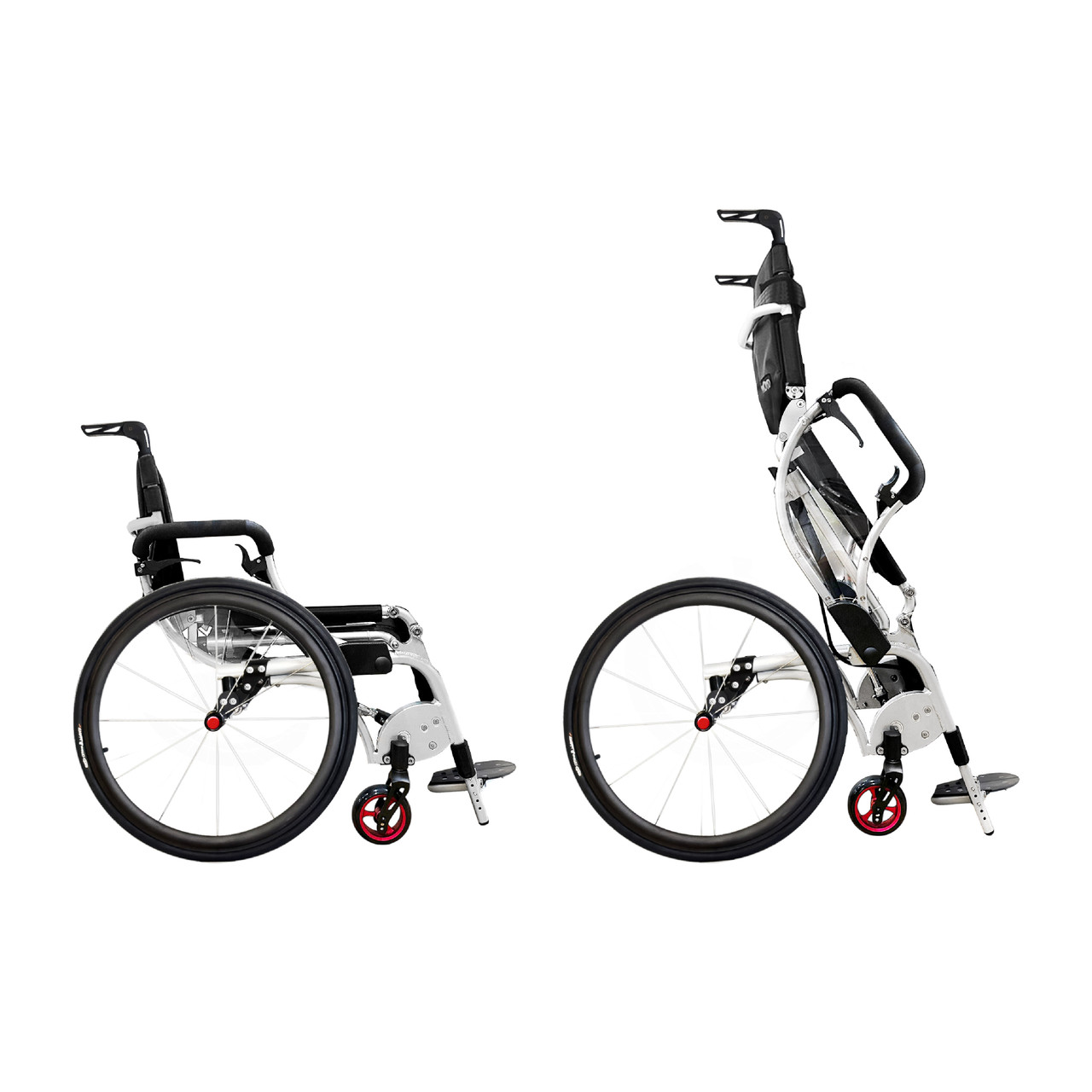
Leo II lightweight standing power wheelchair by Wheelchair 88

Every electric wheel chair for sale here was picked by our team of wheelchair users.

WHILL Model C2 Power Wheelchair

Best for everyday driving with a tight turning radius and app control.

WHILL Model F Power Wheelchair

Best for travel: it folds for the car and trips.

Quickie Q50 R Carbon Power Wheelchair

Best for people who lift their own chair and want a light carbon frame.

Leo II Standing Wheelchair

Best for standing at counters and talking eye to eye. Browse all WHILL powered wheelchairs.

›

Batteries, Range and Flying With Your Power Chair

Range depends on battery size, your weight, hills and speed. Plan for less than the listed number on long days.

  • Charge every night, even after short trips.
  • Most airlines accept lithium batteries up to 300 Wh. Call the airline 48 hours before you fly.
  • Carry your battery spec sheet and the chair manual in your bag.
  • Pick up spare parts and power wheelchair tires before a big trip.

Flying soon? Tell us your airline and chair and we will help you prepare.

›

Paying for a Power Wheelchair

Automatic wheelchair price ranges are wide, from about two thousand dollars for simple folding chairs to much more for custom standing and all-terrain models.

›

From Our Team: Living in a Power Chair

Many of us at Living Spinal drive power chairs, so we test the details that matter: how a chair turns in a bathroom, how it rides over a curb cut and how long the battery really lasts.

  • Measure doorways, hallways and your car before ordering.
  • Ask about seat cushions and backrests early. They change how the chair feels all day.
  • Book a free virtual consultation to talk through options face to face.

Tip: Add bags, cup holders and phone mounts from powered wheelchair accessories.

›

Power Wheelchair FAQs

What is the difference between a power wheelchair and a scooter?

A power wheelchair is driven with a joystick and turns in a tight space, so it works indoors and all day. A scooter uses a tiller, needs more room to turn and suits people who can sit upright and transfer easily.

How far will one charge take me?

Most power wheelchairs travel about 10 to 20 miles per charge. Hills, heavier loads, cold weather and higher speeds shorten range, so plan for less on long days.

Can I take a power wheelchair on a plane?

Yes. Airlines carry power wheelchairs in the hold for free. Lithium batteries usually must be under 300 Wh, and you should call the airline at least 48 hours ahead.

How do I know which power chair is right for me?

Start with where you drive, how you travel, your size and your hand function. Then talk with our team or book a free virtual consultation.

Can I use HSA/FSA, financing, or coupons?

Yes. We accept HSA/FSA cards, financing is available, and you can check our latest coupons and promo codes before you check out.

WHILL Model C2 electric power wheelchair

Need Help Choosing a Power Wheelchair?

Talk with our team of power chair users about fit, range and travel.

Mon–Thu 9AM–5PM · Fri 9AM–3PM · Sat–Sun 9AM–5PM (CST)

Or leave your info and we'll reach out.

Check out these other categories

Lightweight Powered Wheelchairs  ·  Heavy-Duty Power Wheelchairs  ·  All-Terrain Powered Wheelchairs  ·  Power Assists and Handcycles  ·  Mobility Scooters  ·  Travel Wheelchairs

Power Wheelchair FAQs

What Is a Power Wheelchair?

A power wheelchair is a battery-operated mobility device controlled by a joystick or alternative input system. Unlike manual wheelchairs that require self-propulsion, power wheelchairs use an electric motor to drive the wheels, allowing individuals with limited upper-body strength, spinal cord injuries, or progressive conditions like muscular dystrophy and multiple sclerosis to move independently indoors and outdoors.

What Is the Difference Between a Power Wheelchair and an Electric Wheelchair?

There is no difference. "Power wheelchair" and "electric wheelchair" are interchangeable terms for the same type of motorized mobility device. The medical and insurance industries typically use "power wheelchair" or "power mobility device," while everyday conversation often uses "electric wheelchair." Both refer to a battery-powered chair controlled by a joystick or similar input.

How Much Does a Power Wheelchair Cost?

Power wheelchair prices depend on the type, features, and brand. Budget-friendly portable models start around $800–$1,500. Mid-range folding electric wheelchairs with lithium-ion batteries typically cost $1,500–$4,000. Full-featured models with suspension, longer range, and advanced seating run $4,000–$8,000. Heavy-duty and standing power wheelchairs can range from $8,000 to over $20,000. Living Spinal offers financing options and insurance assistance to help manage the cost.

Does Medicare Cover Power Wheelchairs?

Medicare Part B may cover a power wheelchair when it is classified as durable medical equipment (DME) and your physician documents that you need powered mobility within your home because a manual wheelchair is insufficient. Coverage typically falls under HCPCS Group 2 power mobility device codes. You will need a face-to-face evaluation, a written prescription, and supporting medical documentation. Living Spinal can help you navigate Medicare paperwork — call (619) 810-0010 for guidance.

Does Insurance Pay for Electric Wheelchairs?

Many private insurance plans, Medicaid, and Veterans Affairs (VA) benefits cover power wheelchairs when medically necessary. Coverage requirements vary by plan but generally include a physician's prescription, a mobility evaluation, and documentation that a manual wheelchair does not meet the user's needs. Workers' compensation claims may also cover power wheelchairs for qualifying injuries. Contact Living Spinal for help determining your eligibility and filing claims.

How Do I Choose the Right Power Wheelchair for My Needs?

Start by identifying where you will use the chair most. For primarily indoor use, prioritize a compact frame with a tight turning radius. For outdoor or mixed-terrain use, look for models with suspension, larger drive wheels, and extended battery range. Next, consider your weight (make sure the chair's weight capacity exceeds yours by a comfortable margin), whether you need to transport the chair in a vehicle or on an airplane, and any postural or medical seating requirements. A free virtual consultation with a Living Spinal specialist can help you compare models for your specific situation.

What Types of Power Wheelchairs Are Available?

Power wheelchairs are available in several categories designed for different needs. Lightweight power wheelchairs weigh under 60 lbs and are ideal for travel and daily portability. Folding power wheelchairs collapse for car trunks or airline gate-check. Heavy-duty power wheelchairs support 300–450+ lbs with reinforced frames and wider seats. All-terrain power wheelchairs feature suspension, large drive wheels, and high-torque motors for grass, gravel, and hills. Standing power wheelchairs raise the user to a full standing position. Carbon fiber power wheelchairs offer the lightest frame weight in powered mobility.

What Is a Folding Power Wheelchair?

A folding power wheelchair is an electric wheelchair designed to collapse into a compact shape for storage in car trunks, closets, or airline cargo holds. Most folding models use lightweight aluminum or carbon fiber frames and removable lithium-ion batteries. They typically weigh between 40 and 65 lbs and can be folded or unfolded in seconds without tools. Popular folding power wheelchair brands include Wheelchair 88, JBH Medical, and Robooter.

Can You Take a Power Wheelchair on an Airplane?

Yes. Many folding power wheelchairs use FAA-approved lithium-ion batteries rated under 300 watt-hours (Wh) and can be gate-checked on most airlines. Some compact models may fit in the aircraft cabin. Always confirm battery size requirements and gate-check procedures with your airline before traveling. Look for power wheelchairs specifically labeled as airline-approved, and remove the battery for separate screening if required. Living Spinal's Wheelchair Travel Resources Guide covers additional tips for flying with a powered chair.

How Far Can a Power Wheelchair Travel on a Single Charge?

Battery range varies by model, user weight, terrain, and speed. Compact folding power wheelchairs typically offer 8–15 miles per charge. Mid-range models often reach 15–25 miles. Some heavy-duty or all-terrain models equipped with dual batteries can exceed 25 miles on a single charge. Living Spinal lists the estimated range on every product page so you can compare models side by side.

How Long Does It Take to Charge a Power Wheelchair Battery?

Most power wheelchair batteries take 6 to 8 hours for a full charge from empty. Lithium-ion batteries commonly found in portable and folding models may charge in 4 to 6 hours. It is best to charge overnight and avoid fully depleting the battery on a regular basis, as this extends the overall battery lifespan. Always use the manufacturer-supplied charger to prevent damage.

How Long Do Power Wheelchair Batteries Last Before Replacement?

Sealed lead-acid (SLA) batteries typically last 1 to 2 years with daily use before performance declines noticeably. Lithium-ion batteries generally last 2 to 4 years or 500+ charge cycles. Battery lifespan depends on usage frequency, terrain, user weight, and charging habits. Replacing batteries on schedule keeps the chair performing at full range and power.

What Is the Weight Capacity of a Power Wheelchair?

Standard power wheelchairs typically support 250 to 300 lbs. Heavy-duty and bariatric models are rated for 300 to 450+ lbs, featuring reinforced frames, wider seats, and higher-torque motors. Always choose a power wheelchair with a weight capacity that exceeds your body weight to ensure structural safety, comfort, and long-term durability.

What Is the Difference Between a Power Wheelchair and a Mobility Scooter?

Power wheelchairs use a joystick mounted on the armrest and are designed for users who spend most of the day seated. They offer tighter turning radii, better postural support, and more seating customization options. Mobility scooters use a tiller (handlebar-style steering) and are better suited for users with good upper-body strength and trunk stability who only need powered mobility for longer distances, such as shopping trips or outdoor outings.

Who Should Use a Power Wheelchair Instead of a Manual Wheelchair?

A power wheelchair is recommended for individuals who lack the upper-body strength, endurance, or joint function needed to self-propel a manual wheelchair throughout the day. Common conditions that benefit from powered mobility include spinal cord injury, multiple sclerosis, muscular dystrophy, ALS, severe arthritis, and stroke-related weakness. A power wheelchair can also be appropriate for users who experience fatigue, pain, or repetitive strain injuries from pushing a manual chair.

What Is a Standing Power Wheelchair?

A standing power wheelchair has a motorized seat system that raises the user from a seated position to a full or partial standing position at the push of a button. Standing power wheelchairs offer therapeutic benefits including improved circulation, bone density maintenance, pressure relief, and better access to counters, shelves, and face-to-face conversations. They are used both for daily mobility and as part of prescribed standing therapy programs.

What Is an All-Terrain Power Wheelchair?

An all-terrain power wheelchair is built to handle outdoor surfaces that standard power chairs cannot, including grass, gravel, sand, dirt trails, and steep inclines. These chairs feature larger drive wheels, full suspension systems, higher ground clearance, and powerful motors with increased torque. Models like the Zoom 2.0 4x4 and the Bighorn 4x4 are engineered for serious off-road use while still functioning on paved surfaces.

How Do You Control a Power Wheelchair?

Most power wheelchairs are operated with a joystick mounted on the armrest. Pushing the joystick forward, backward, left, or right moves the chair in that direction, with speed proportional to how far the joystick is tilted. For users who cannot operate a standard joystick, alternative control options are available, including head arrays, sip-and-puff systems, chin controls, and switch-based inputs. A rehabilitation specialist can help determine which control method suits your abilities.

How Much Does a Power Wheelchair Weigh?

Power wheelchair weight varies widely by type. Ultra-lightweight portable models weigh as little as 35–50 lbs. Standard folding power wheelchairs typically weigh 50–70 lbs. Mid-range models with larger batteries and frames weigh 80–150 lbs. Heavy-duty and all-terrain power wheelchairs can weigh 150–300+ lbs. If you plan to lift the chair into a vehicle regularly, a lightweight or folding model is the practical choice.

Can a Power Wheelchair Be Used Indoors?

Yes. Many power wheelchairs are specifically designed for indoor use with compact frames, tight turning radii (as small as 20 inches), and low-profile casters that navigate doorways, hallways, and furniture without difficulty. Lightweight models like the WHILL Model C2 are popular choices for users who split time between indoor and outdoor environments. Measure your narrowest doorway before purchasing to ensure the chair fits comfortably.

Can a Power Wheelchair Handle Hills and Inclines?

Most power wheelchairs can handle moderate inclines of 6–9 degrees, which covers standard ADA-compliant ramps and gentle slopes. All-terrain and heavy-duty models are engineered for steeper grades, with some rated for inclines up to 12 degrees or more. Key factors for hill performance include motor torque, battery capacity, user weight, and tire traction. If you regularly encounter hills, choose a model with rear-wheel or four-wheel drive and higher-torque motors.

Do Power Wheelchairs Require Maintenance?

Yes, regular maintenance keeps a power wheelchair safe and reliable. Check tire pressure and tread condition monthly. Inspect the battery connections and charge the battery fully on a regular schedule. Keep the joystick and controller free of debris. Tighten any loose bolts on the frame, footrests, and armrests. Most manufacturers recommend a professional service check every 6 to 12 months. Living Spinal carries replacement parts and accessories for the brands we sell.

How Do I Transport a Power Wheelchair in a Car or Van?

Folding power wheelchairs can be collapsed and placed directly into a car trunk or back seat. For heavier non-folding models, a vehicle wheelchair lift or carrier is typically required. Inside lifts store the chair within the vehicle, while outside platform lifts mount to a trailer hitch. Van ramps allow you to roll the chair directly into the vehicle. Living Spinal carries a full range of wheelchair vehicle lifts and ramps to match different chair types and vehicle sizes.

What Accessories Are Available for Power Wheelchairs?

Common power wheelchair accessories include cup holders, cell phone mounts, wheelchair bags and backpacks, oxygen tank holders, trays, anti-tip wheels, seat cushions, backrests, and weather covers. Replacement parts such as batteries, tires, casters, chargers, and joystick controllers are also available. Living Spinal stocks accessories compatible with all major power wheelchair brands.

What Are the Best Power Wheelchair Brands?

Living Spinal carries power wheelchairs from trusted brands including WHILL, Pride Mobility, Sunrise Medical, Robooter, Wheelchair 88, JBH Medical, Shoprider, Flux Wheelchairs, eWheels, and Matia Robotics. Each brand is selected for build quality, warranty support, and proven real-world performance. The best brand for you depends on your specific needs — a Living Spinal specialist can help you compare options.

What Is the Lightest Power Wheelchair Available?

The lightest power wheelchairs on the market weigh between 35 and 50 lbs, including the battery. The Foldawheel Featherweight is one of the most compact and lightest power wheelchairs available, designed for maximum portability without sacrificing motor performance. These ultra-lightweight models are ideal for frequent travelers and users who need to load the chair into a vehicle without a lift.

Where Can I Buy a Power Wheelchair Online?

You can purchase power wheelchairs directly from Living Spinal at livingspinal.com. We offer free shipping within the contiguous United States, a lowest price guarantee, flexible financing options, and free virtual consultations with wheelchair specialists. Browse our full selection of electric wheelchairs online, or call (619) 810-0010 for personalized buying assistance.