
1-619-810-0010 9AM-5PM (CST) : Mon - Thu 9AM-3PM (CST) : Fri 9AM-5PM (CST) : Sat - Sun
1-619-810-0010 9AM-5PM (CST) : Mon - Thu 9AM-3PM (CST) : Fri 9AM-5PM (CST) : Sat - Sun
Living Spinal ★ Kids
Pediatric Walkers: Kids Walkers, Posterior Walkers & Gait Trainers
Help your child take every step with confidence, at home, at school and at play. Every walker is picked by a team that lives with paralysis and uses mobility equipment every day.
 Shop Pediatric WalkersSee every kids walker & gait trainer below

 Call (619) 810-0010
 Chat With a Specialist

● Grows with your child● HSA/FSA eligible● Owned by wheelchair users
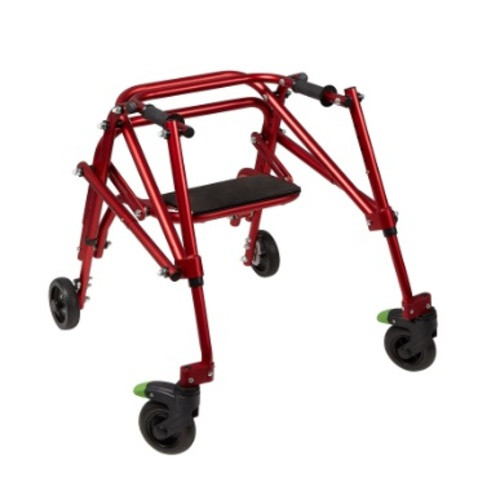
Pediatric walkers give children a steady frame to hold as they build walking skills, balance and strength. From light front-facing childrens walkers to pediatric posterior walkers and supportive gait trainers, the right kids walker helps your child move with more freedom every day.
Compare pediatric rollators, youth walkers and special needs walkers, all chosen by a team that is owned and operated by people living with paralysis. Tap any section below, or read our Wheelchair Resource Guides.
›
Why Choose a Pediatric Walker for Your Child?
Every step builds strength and confidence. A pediatric walker gives kids a stable frame to hold while they practice walking, so they can move on their own at home, at school and on the playground.
- Safer steps: a wide, steady base helps prevent falls while balance improves.
- Better posture: the right kids walker encourages an upright, tall stance instead of leaning forward.
- Stronger muscles: daily walking builds leg, core and hip strength.
- More independence: kids can reach friends, toys and classrooms without being carried.
- Room to grow: height-adjustable frames keep up with growth spurts.
Real-world advice: Let your child walk short, fun distances first, like to the kitchen or the mailbox, and build up from there.
›
How to Choose the Best Pediatric Walker
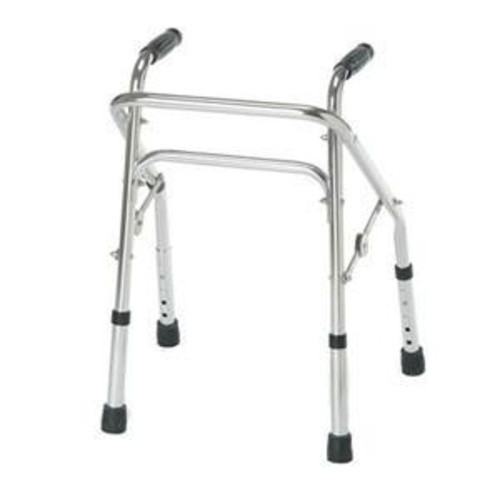
The best pediatric walker matches your child's size, balance and goals. Compare these six features before you buy:
Height & Growth
Handles should sit at wrist height. Adjustable legs let one walker grow with your child.
Front or Posterior
A posterior walker sits behind the child. A front walker sits in front for more lean-on support.
Wheels
A pediatric walker with wheels rolls smoothly. Some wheels lock backward to stop roll-back.
Seat
A pediatric walker with seat lets kids rest during longer walks or outings.
Weight & Fold
Light, folding frames are easier to lift into the car and store at school.
Support Level
Kids who need trunk or hip support may do better with a gait trainer.
Quick match
- Leans forward when walking? Try a pediatric posterior walker like the Klip Lightweight Posterior Walker.
- Needs a simple, sturdy frame? A folding childrens walker like the Guardian Children's Folding Walker by Medline.
- Needs trunk and hip support? A gait trainer like the Pivot Gait Trainer by Circle Specialty.
›
Types of Pediatric Walkers: Posterior, Anterior & Gait Trainers

There are a few main types of pediatric walkers. Each one supports the body a little differently.
Posterior walkers
The frame sits behind the child and is pulled along. This encourages an upright posture and is often recommended for kids with cerebral palsy. The Klip Lightweight Posterior Walker is a lightweight, durable posterior walker.
Anterior (front) walkers
The child pushes the frame in front of them. A front-facing child's walker with wheels works well for kids who need something to lean on. The Guardian Children's Folding Walker by Medline has a lightweight aluminum A-frame and a grow-with-you design.
Gait trainers and pediatric rollators
A child walker for disabled kids who need more support may be a gait trainer, with trunk, hip and arm supports. The Pivot Gait Trainer by Circle Specialty gives extra help with postural alignment. Compare all gait trainers, or see our pediatric and kids equipment.
 Email
›
Walkers, Strollers & Transport Chairs for Longer Days

Many kids walk well for short distances but tire on longer outings. Pairing a walker for children with a ride-on option keeps the whole day comfortable.
What to compare
- Long trips and outings: the Protekt Cambria Transport Wheelchair is a convertible aluminum chair with quick-release wheels for rides between walks.
- Supportive rides: see our adaptive strollers and special needs strollers for kids who need more seating support.
- Standing practice: pediatric standers build weight-bearing strength alongside walking.
For full-day seating, browse our pediatric wheelchairs.
Pro tip: Keep the walker for practice and short trips, and the stroller or chair for long days. Kids stay active without wearing out.
›
How to Start Walking Practice With a Kids Walker
A new junior walker works best with a simple plan. Here's the checklist our team shares with families:
1. Talk with your therapist
Ask whether a front walker, posterior walker or gait trainer fits your child's goals.
2. Set the right height
With arms relaxed, handles should line up with your child's wrists. Recheck every few months.
3. Clear the path
Move rugs, cords and clutter so early walks feel safe and easy.
4. Practice little and often
Short daily walks build strength and confidence faster than one long session.
5. Celebrate progress
Track distance and cheer every win. Our Wheelchair Resource Guides share more mobility tips for families.
›
Pediatric Walker FAQs
What age can a child use a pediatric walker?
Toddlers can start once their therapist says they are ready. Sizes fit young children through teens.
Should my child use a walker with or without wheels?
Most kids do well with wheels. Some walkers add a one-way brake to stop rolling backward.
Can a pediatric walker be used at school?
Yes. Lightweight folding walkers move easily between classrooms and fit in most cars.
What is a youth walker?
A youth walker is a pediatric walker sized for older kids and teens, with a taller frame.
Can I use HSA/FSA, financing, or coupons?
Yes. We accept HSA/FSA cards, financing and funding options are available, and you can check our latest coupons and promo codes before you check out.
Not sure which walker fits your child? Let's find it together.
Living Spinal is owned and operated by people living with paralysis. Our product specialists know mobility equipment firsthand and will help you compare walker styles, sizes and funding options for your child.
Mon–Thu 9AM–5PM · Fri 9AM–3PM · Sat–Sun 9AM–5PM (CST)
 Free Video Consultation
Or leave your info and we'll reach out.
Check out these other categories
Pediatric & Kids Equipment · Pediatric Wheelchairs · Pediatric Standers · Gait Trainers · Adaptive Scooters & Strollers · Pediatric Wheelchair Attachments