
Wheelchair Maintenance 101: A DIY Checklist for Clean Wheels, Bearings, and Brakes | Living Spinal
Posted by Living Spinal on Oct 15th 2026
Wheelchair Maintenance 101: A DIY Checklist for Clean Wheels, Bearings, and Brakes
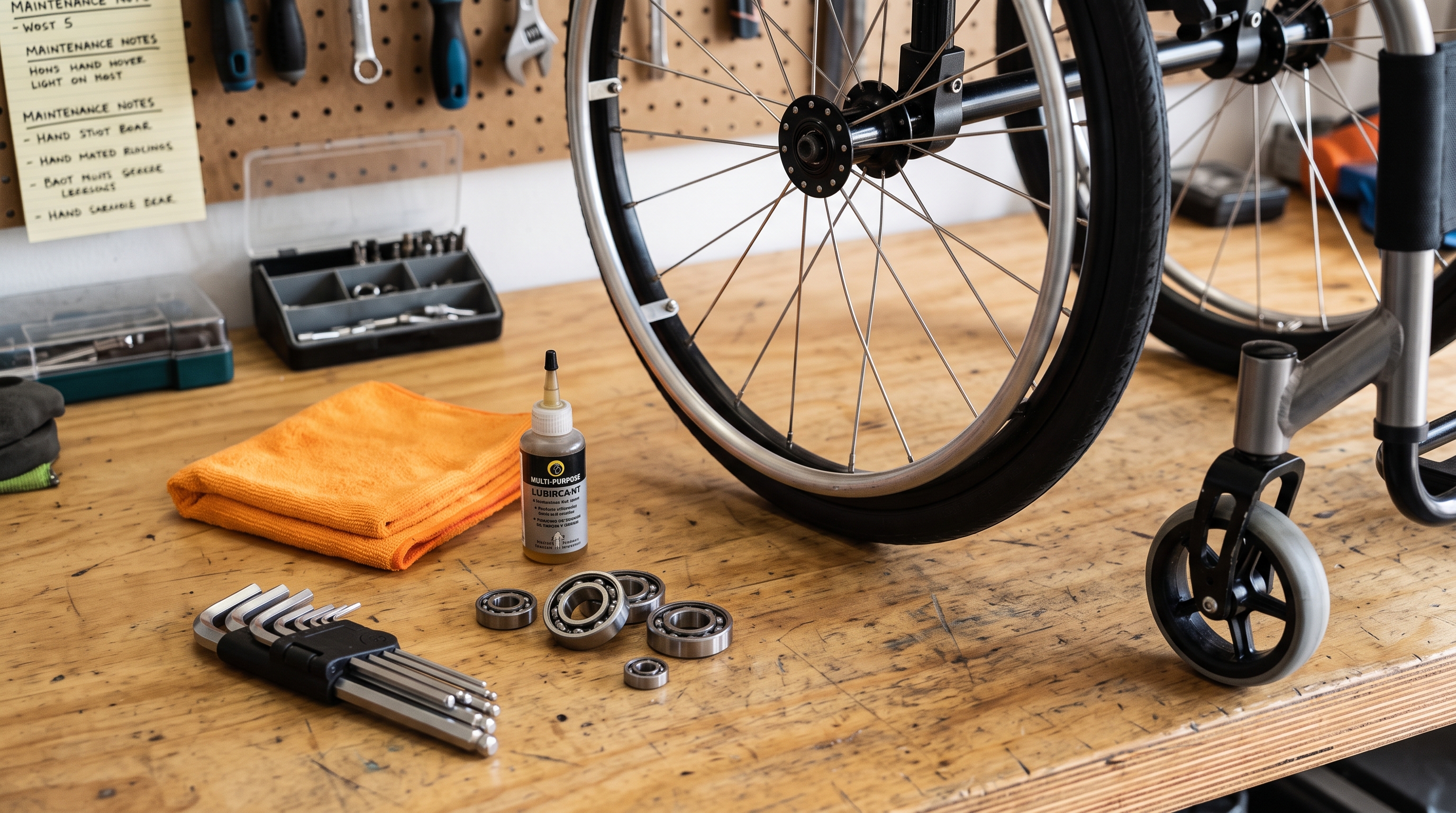
A smooth, effortless ride doesn't happen by accident. Your wheelchair is an extension of your body, and keeping it in top condition is essential for safety, efficiency, and independence. Over time, hair, dirt, and everyday debris can bog down moving parts, making self-propulsion significantly harder and uneven.
Whether you rely on a manual chair for daily mobility or use a power chair for long-distance travel, a routine maintenance schedule is critical to preserving your equipment. In this DIY guide, we’ll break down a simple checklist for maintaining your wheels, bearings, and brakes, highlighting the best strategies and top-tier replacement parts available at Living Spinal to keep you rolling smoothly.
Wheels and Tires: Keeping Your Roll Smooth
Your tires are your only point of contact with the ground, meaning they take the brunt of daily wear and tear. Worn-out tire tread or under-inflated pneumatic tubes can drastically increase rolling resistance, forcing you to expend more energy with every push.
Strategy: Inspect, Clean, and Upgrade for Puncture-Proof Reliability Check your tire pressure weekly and wipe down your handrims to remove sticky residue. If you constantly deal with flats or uneven wear, transitioning to a non-pneumatic (airless) setup can eliminate maintenance headaches.
-
Solid Tire Insert by Rolko -
Key Features: Requires zero air pressure checks, mimics the bounce and shock absorption of an air-filled tire, and ensures consistent pressure distribution for predictable handling on varied surfaces.
-

-
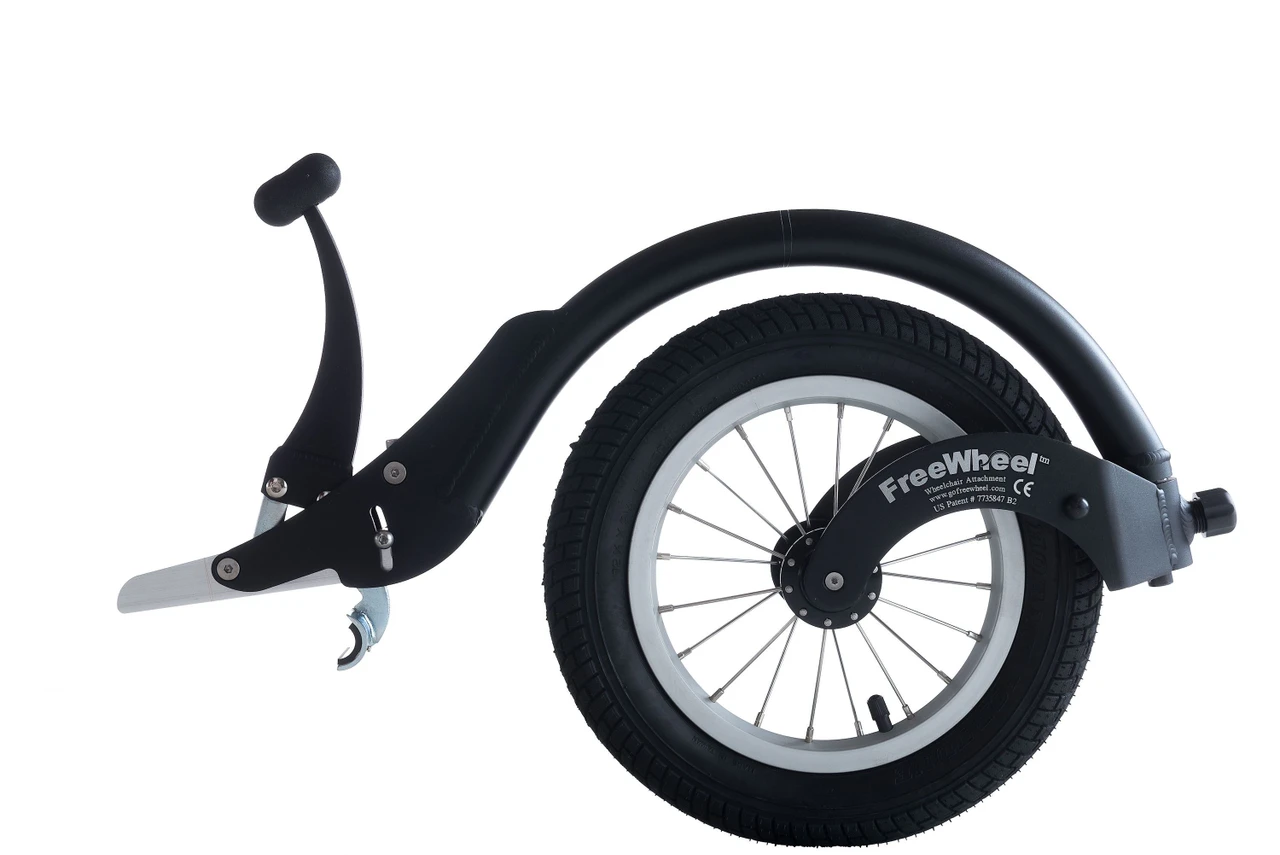
FreeWheel Wheelchair Attachment
Bearings: The Secret to a Friction-Free Glide
Bearings are the tiny metal rings filled with steel balls that allow your wheels and casters to spin freely. Unfortunately, front caster bearings are notorious for trapping hair, carpet fibers, and dirt, which can quickly lead to grinding, sluggish movement, or a chair that pulls heavily to one side.
Strategy: The "Spin Test" and Routine Cleaning Give your wheels a hard spin while the chair is elevated. If they stop quickly, make a grinding noise, or wobble, your bearings need attention. Remove the axle, use tweezers or a pick to pull out tangled hair, and apply a specialized bearing lubricant (avoid WD-40, as it attracts dust). If they still grind after cleaning, it’s time to replace them.
-
Pro-Tip for Replacements: When upgrading or replacing wheels, always ensure you select precision-engineered ball bearings. Investing in high-quality bearings minimizes friction, reduces shoulder strain during propulsion, and extends the time between necessary cleanings.
Brakes and Wheel Locks: Ensuring Total Security
A wheelchair brake (or wheel lock) relies entirely on friction against the tire to keep you safe during stationary tasks and transfers. As your tires wear down or as the chair vibrates over time, the brake clamps can loosen and slide away from the tire, making the lock highly ineffective.
Strategy: Adjust and Upgrade Your Locking Mechanism Routinely check that your wheel locks deeply indent the tire when engaged (usually about 1/8 to 1/4 of an inch). If the brake assembly is loose, use an Allen wrench to loosen the clamp, slide it closer to the tire, and tighten it securely. If your current brakes are worn out or interfere with your transfers, consider swapping them out for a more ergonomic design.
-
Quickie Curved Handle Push to Lock Wheel Lock

-
- Key Features: Improved ergonomics for users with limited hand strength, quick push-to-lock activation, and heavy-duty construction that maintains consistent pressure against the tire over time.
-
BOA Scissor Lock Wheelchair Brakes

-
Wheelchair Wheel Lock Handle Extension

Ready to Roll?
Taking a proactive approach to your wheelchair’s maintenance doesn't require a degree in engineering. By setting aside just a few minutes a week to check your tire pressure, clean your bearings, and tighten your brakes, you can drastically improve your chair’s performance and extend its lifespan. With the right DIY mindset and premium replacement parts, you'll ensure every push is as smooth, safe, and effortless as the first.