
Mental Health & Life Transitions: Rebuilding Confidence After a Mobility Change | Living Spinal
Posted by Living Spinal on Oct 16th 2026
Mental Health & Life Transitions: Rebuilding Confidence After a Mobility Change
Adjusting to a wheelchair or experiencing a significant change in mobility is a profound life transition. While the medical community often focuses heavily on physical rehabilitation, the mental and emotional toll is equally significant—and frequently overlooked. Experiencing a shift in how you navigate the world can impact your sense of identity, independence, and self-esteem.
But a change in mobility is not the end of your independence; it is the beginning of a new way of living. Rebuilding your confidence takes time, patience, and the right tools. In this guide, we’ll explore practical strategies to help you navigate this transition, highlighting adaptive equipment from Living Spinal designed to empower your daily life and restore your autonomy.
Reclaiming Independence in Daily Tasks
One of the most frustrating aspects of a mobility change is the sudden difficulty in performing everyday tasks. Relying on others for simple things like picking up a dropped item or eating a meal can feel defeating. Restoring independence in these small moments is a crucial first step in rebuilding confidence.
Strategy: Integrate Daily Living Aids Adaptive tools are designed to bridge the gap between your physical abilities and your daily needs, allowing you to maintain control over your routine.
-
Reachers and Grabbers

-
Dining with Dignity Adaptive Utensils

Empowering Your Mobility in the Community
A common barrier to mental well-being after a mobility change is social isolation. The fear of getting fatigued, struggling with uneven terrain, or feeling like a "burden" on outings can make staying home feel like the safest option.
Strategy: Utilize Power Assists and Terrain Attachments Modern wheelchair technology is designed to eliminate the physical strain of pushing, freeing up your energy to focus on the people and experiences around you.
-
-
-
SmartDrive Power Assist by Permobil
-
-

-
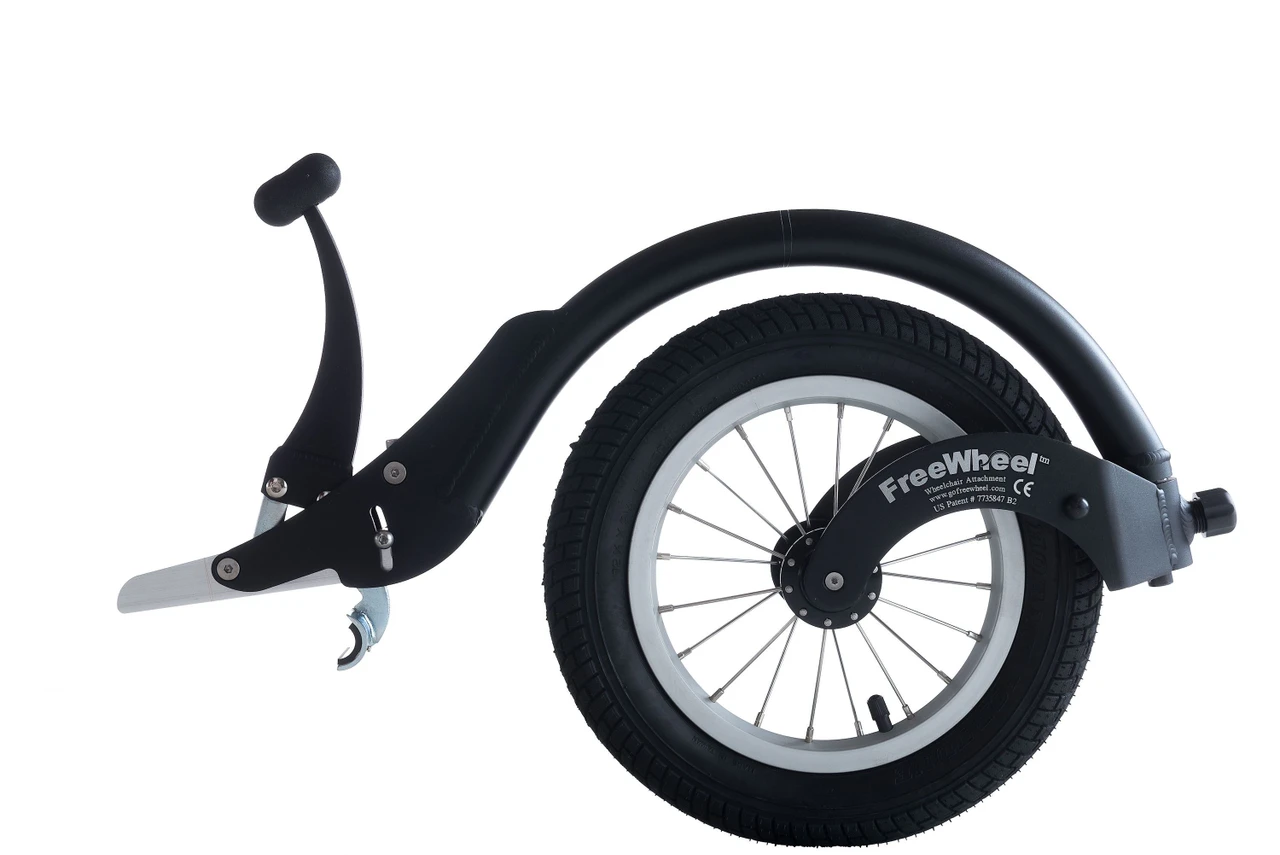
FreeWheel Wheelchair Attachment
Engaging in Active Lifestyles and Peer Support
Physical activity is intrinsically linked to mental health. Endorphins reduce stress and anxiety, while learning a new adaptive sport or hobby can provide a massive boost to your self-efficacy. Furthermore, getting active often introduces you to the broader disabled community.
Strategy: Explore Adaptive Recreation You don't have to be a Paralympic athlete to enjoy the benefits of adaptive sports. Simply getting outside and moving your body in a new way can shift your mindset from what you can't do, to what you can.
-
Electric and Manual Handcycle Attachments

Daily Strategies for Mental Well-being
Equipping your home and chair is only half the battle; nurturing your mind is the other. As you navigate this transition, keep these core principles in mind:
-
Acknowledge Your Feelings: It is completely normal to experience a grieving process over your loss of mobility. Give yourself permission to feel angry, sad, or frustrated. Toxic positivity won't heal you; processing your genuine emotions will.
-
Connect with the Community: You are not alone. Seek out local or online support groups, adaptive sports leagues, or mentorship programs. Connecting with peers who have successfully navigated similar transitions provides invaluable life hacks and a sense of belonging.
-
Set Micro-Goals: Rebuilding confidence happens incrementally. Set small, achievable goals each week—like going to the grocery store independently, trying a new transfer technique, or venturing down a new trail. Celebrate these victories; they are the building blocks of your new normal.
Moving Forward
A mobility change forces you to rewrite the script of your life, but it does not mean the story is over. By giving yourself grace, connecting with your peers, and utilizing the right adaptive equipment, you can reclaim your independence and step out into the world with renewed confidence.