

Different Wheelchair Modifications for Outdoor Use and Improved Outside Mobility | Living Spinal
Posted by Living Spinal on Dec 30th 2025
Different Wheelchair Modifications for Outdoor Use and Improved Outside Mobility
Wheelchair modifications for outside use are an important part of maintaining independence beyond indoor spaces. Outdoor environments place very different demands on a wheelchair compared to smooth floors and controlled interiors. Pavement cracks, surface changes, weather exposure and longer distances all influence how a wheelchair performs outside.
For many users outdoor wheelchair mobility is not optional. Daily routines often involve sidewalks, parks, public transportation, travel destinations and open air events. A wheelchair that works well indoors can feel unstable or exhausting outside if it is not adapted for those conditions. This is why outdoor wheelchair modifications like the FreeWheel are frequent topics of research for manual and power wheelchair users alike.
Outdoor wheelchair modifications are usually incremental rather than dramatic. Small changes to wheels, tires, grips and stability components can significantly improve comfort and control during everyday outdoor activities.
Outdoor Wheelchair Challenges on Sidewalks and Public Infrastructure
Outdoor wheelchair use introduces challenges that are rarely present indoors. Sidewalks are uneven and inconsistent. Older infrastructure includes cracks, gaps, slopes and surface transitions that require constant attention.
Outdoor environments also demand endurance. Longer distances mean more repetitive pushing and increased strain on shoulders, wrists and hands. Weather adds complexity since rain affects traction, heat affects grip and cold affects component performance.
These challenges often lead users to explore wheelchair upgrades for uneven terrain rather than limiting outdoor activity. Addressing outdoor conditions through targeted modifications improves predictability and reduces fatigue.
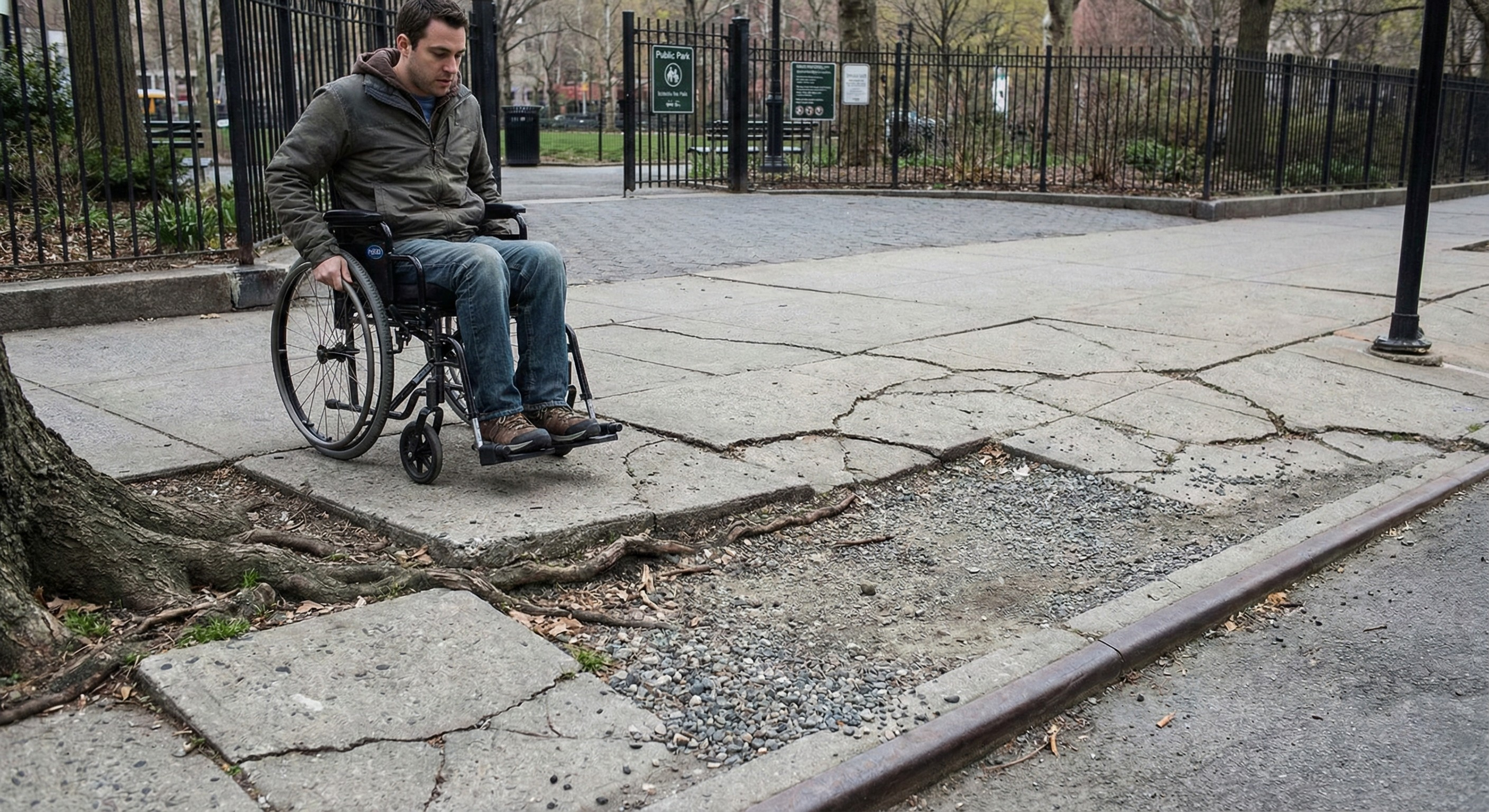
Outdoor Wheelchair Tire Modifications for Pavement and Rough Ground
Tires are one of the most influential components in outdoor wheelchair performance. Many wheelchairs ship with smooth indoor tires that struggle once pavement becomes uneven or surfaces change.
Wheelchair tires for outdoor use like the Sumo Wheel are designed to improve traction comfort and durability. Outdoor focused tires typically feature wider profiles and materials that manage vibration more effectively.
Common outdoor tire benefits include
- Improved grip on wet sidewalks and rough pavement
- Better stability on grass gravel and compact dirt
- Reduced vibration during longer outdoor pushes
Pneumatic tires are often selected for outdoor mobility because they absorb surface irregularities and improve comfort. Solid outdoor tires are preferred by users who want durability with minimal maintenance while still gaining better traction than indoor tires.
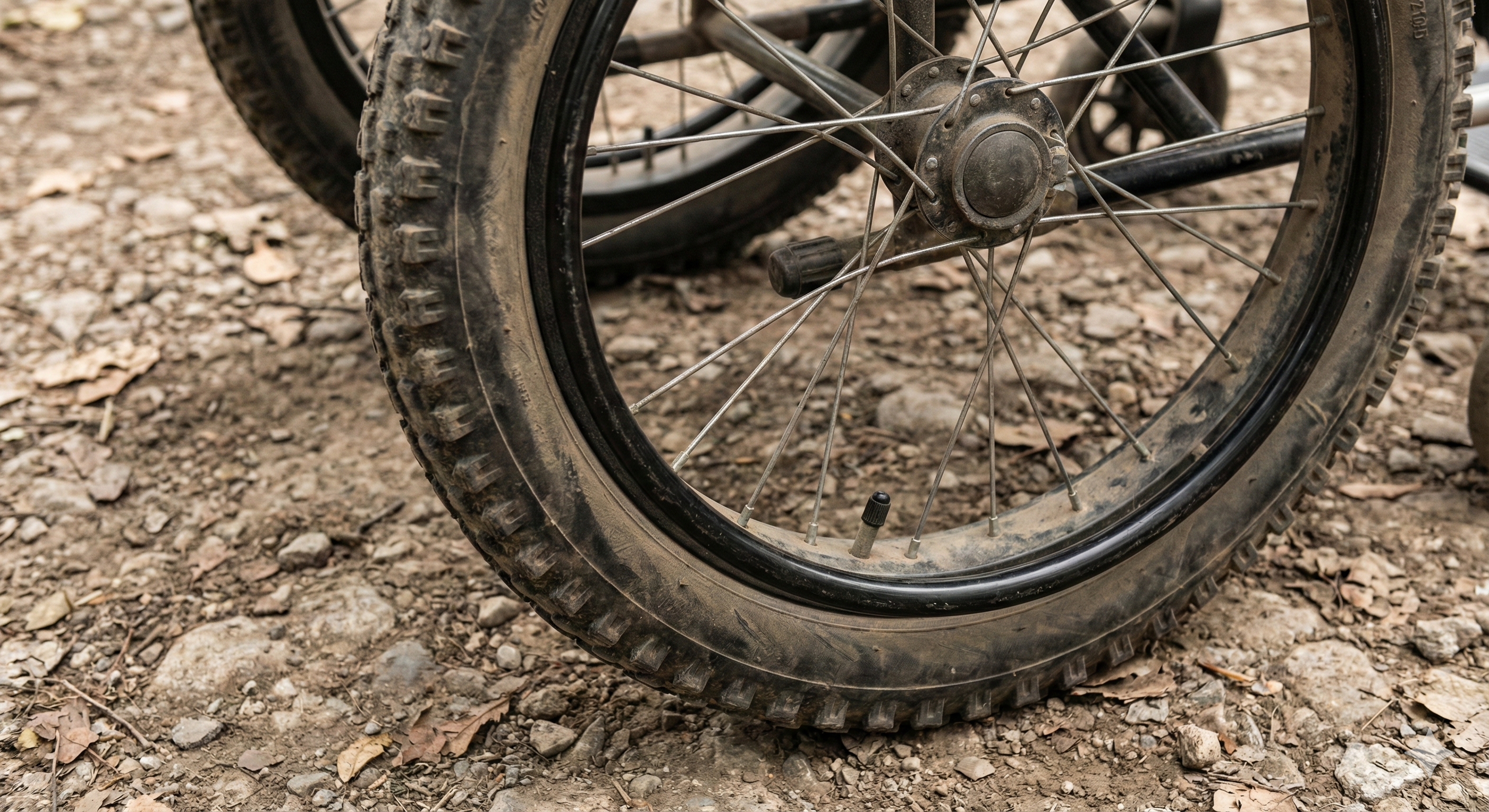
Outdoor Wheelchair Front Caster Modifications for Uneven Surfaces
Front casters are frequently the limiting factor in outdoor wheelchair use. Small front wheels can catch cracks and sink into soft ground or stop abruptly at surface transitions.
Front caster solutions for outdoor wheelchairs focus on improving obstacle clearance and directional control. Larger casters roll more smoothly over uneven surfaces and reduce sudden resistance. Softer caster materials help absorb vibration and protect the frame.
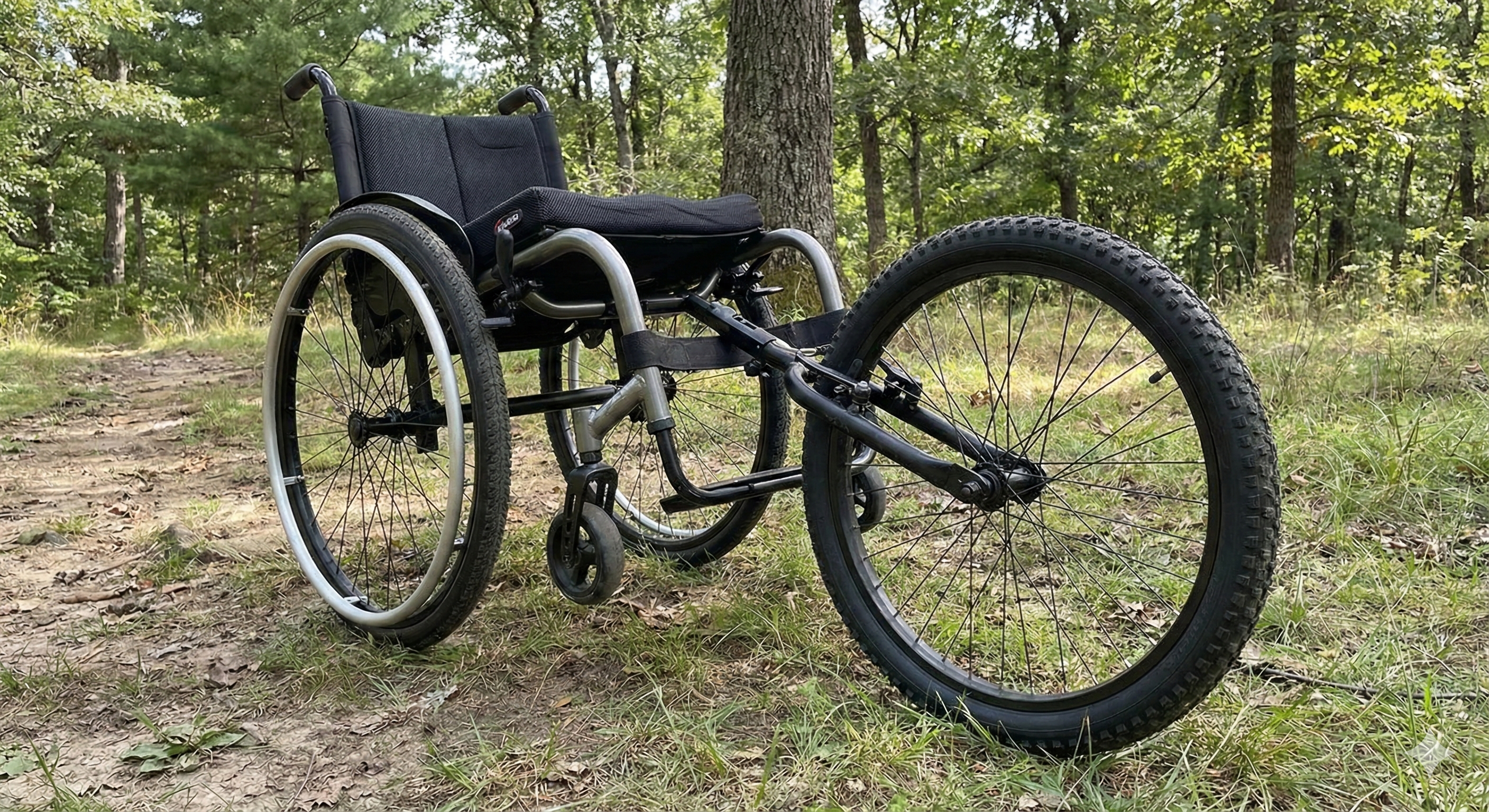
Many wheelchair users explore a front wheel attachment for outdoor wheelchair use that lifts the casters slightly during movement. The FreeWheel is often mentioned as a premium wheelchair attachment for sidewalks and trails because it helps manage mixed terrain without permanently altering the chair. It can be attached for outdoor use and removed easily indoors.
The FreeWheel attachment helps improve outdoor wheelchair mobility by addressing one of the most common challenges wheelchair users face outside, front caster hang ups. Uneven sidewalks cracks grass gravel and surface transitions can cause small front casters to dig in or stop suddenly, increasing effort and reducing control. By adding a larger front wheel that slightly lifts the casters, the FreeWheel attachment allows a wheelchair to roll more smoothly over outdoor surfaces. This reduces resistance during forward movement, improves stability on mixed terrain, and helps maintain momentum during longer outdoor travel. The attachment is removable, making it practical for users who move between indoor and outdoor environments without permanently modifying their wheelchair.
Outdoor Wheelchair Pushrim Modifications for Grip and Endurance
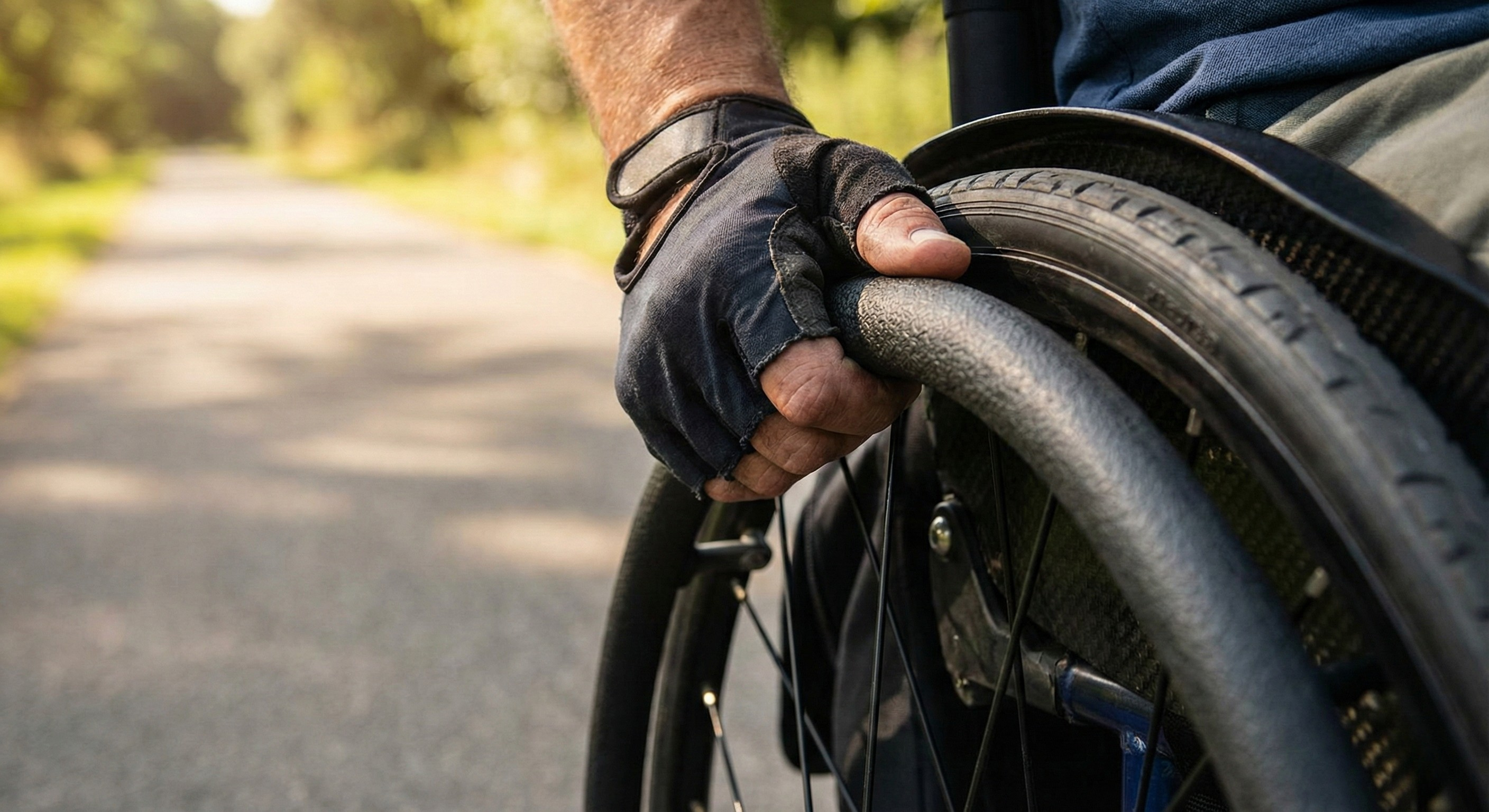
Outdoor wheelchair propulsion requires more force than indoor movement. Pushrim modifications help users maintain control and reduce fatigue during extended outdoor travel.
Some wheelchair users prefer coated pushrims that provide consistent grip during rain or humidity. Others choose ergonomic pushrims designed to distribute pressure across the hand more evenly like the RibGrips. Grip covers and wheelchair gloves are also common additions for manual wheelchair outdoor performance.
Reliable grip improves stroke efficiency and reduces hand strain across long distances and variable weather conditions.
Outdoor Wheelchair Frame Adjustments for Better Terrain Handling
Wheelchair frame setup plays a subtle but important role in outdoor mobility. Small geometry adjustments can significantly influence stability and rolling efficiency.
Outdoor focused frame adjustments may include
- Rear axle positioning to reduce rolling resistance
- Seat height changes for improved leverage
- Frame stiffness tuning for better energy transfer
These modifications affect posture balance and propulsion mechanics. When optimized correctly they support a more efficient wheelchair setup for outdoor environments.
Outdoor Wheelchair Stability Modifications and Anti Tip Options
Uneven terrain slopes and surface changes increase tipping risk during outdoor wheelchair use. Stability modifications help users feel secure across unpredictable conditions.
Wheelchair stability accessories for outside mobility often include removable or low profile anti tip devices. Some users install these accessories only for outdoor use while others prefer permanent options that do not interfere with daily movement.
Outdoor Wheelchair Brake Modifications for Slopes and Wet Surfaces
Reliable braking systems are essential for outdoor wheelchair safety. Slopes, wet pavement and crowded public spaces require precise control.
Wheelchair braking options for outdoor terrain may include extended brake handles, high friction brake pads or drag brakes for downhill control. These upgrades improve confidence during outdoor travel and reduce the risk of uncontrolled movement.
Outdoor Wheelchair Accessories for Travel and Extended Use
Accessories support comfort convenience and safety during outdoor wheelchair mobility. These additions help users prepare for longer outings without changing core wheelchair components.
Useful outdoor wheelchair accessories may include
- Wheelchair storage solutions for water and personal items
- Weather protection for hands and wheels
- Reflective elements for visibility during low light
Many users explore wheelchair travel accessories for outdoor travel to maintain independence while away from home. Lightweight removable components like wheelchair wheel slippers also allow quick transitions between indoor and outdoor environments.

Choosing the Right Wheelchair Modifications for Outside Use
Selecting outdoor wheelchair modifications depends on daily routines and environments. Urban users often focus on pavement performance and curb transitions. Park and trail users prioritize caster stability and vibration reduction. Travelers benefit from adaptable solutions that support traveling with a manual wheelchair outdoors.
The purpose of outdoor wheelchair modifications is not extreme terrain capability. It is reducing effort, improving safety and maintaining consistent mobility across everyday environments. Thoughtful upgrades allow wheelchair users to move confidently through outdoor spaces while preserving independence.
Wheelchair Modifications for Outside Use FAQ
What are the most important wheelchair modifications for outside use?
The most impactful wheelchair modifications for outside use typically focus on tires, front casters, stability, and braking. Outdoor surfaces create more resistance and unpredictability than indoor flooring, so upgrades that improve traction, control, and rolling efficiency tend to provide the greatest benefit.
Do outdoor wheelchair modifications change how a wheelchair performs indoors?
Some outdoor wheelchair modifications, such as larger tires or stability accessories, may slightly affect indoor maneuverability. Many users choose removable or adjustable options, so they can adapt their wheelchair depending on the environment, without sacrificing indoor performance.
Are pneumatic tires better for outdoor wheelchair mobility?
Pneumatic tires are commonly used for outdoor wheelchair mobility, because they absorb vibration and provide better traction on uneven surfaces. They can improve comfort during longer outdoor travel, but require routine air pressure maintenance.
How do front caster modifications help with outdoor wheelchair use?
Front caster modifications help reduce the risk of catching on cracks, grass, or surface transitions. Larger or stabilized front wheels allow the wheelchair to roll more smoothly across uneven ground, and reduce sudden stops that can increase fatigue or tipping risk.
Can a front wheel attachment improve outdoor wheelchair performance?
A front wheel attachment like the FreeWheel Wheelchair Attachment can improve outdoor wheelchair performance, by lifting the front casters slightly, and helping the wheelchair roll over uneven terrain. This reduces resistance on sidewalks, trails, and mixed surfaces, and can make outdoor movement more efficient.
Are outdoor wheelchair modifications suitable for travel?
Many outdoor wheelchair modifications are suitable for travel, especially removable accessories like front wheel attachments, storage solutions, and grip enhancements. These options allow users to adapt their wheelchair for unfamiliar environments, without permanent changes.
Do outdoor wheelchair modifications reduce strain on the upper body?
Outdoor wheelchair modifications can help reduce strain on shoulders, wrists, and hands, by improving rolling efficiency and grip. Better traction and stability allow for smoother propulsion, which can decrease repetitive stress during longer outdoor use.
Are outdoor wheelchair accessories necessary for everyday use?
Outdoor wheelchair accessories are not required for everyone, but they can improve comfort, safety, and convenience for users who spend significant time outside. Items like improved tires, stability devices, and weather protection help support consistent outdoor mobility.
How do I choose the right wheelchair modifications for outside use?
Choosing the right wheelchair modifications for outside use depends on daily routines, terrain exposure, and personal comfort preferences. Urban users may focus on pavement performance, while park and travel users may prioritize caster stability and removable components.