
What Is Gait Training - Gait Training Facts and Information | Living Spinal
Feb 12th 2026
What Is Gait Training and Why Is It Important for Mobility Rehabilitation
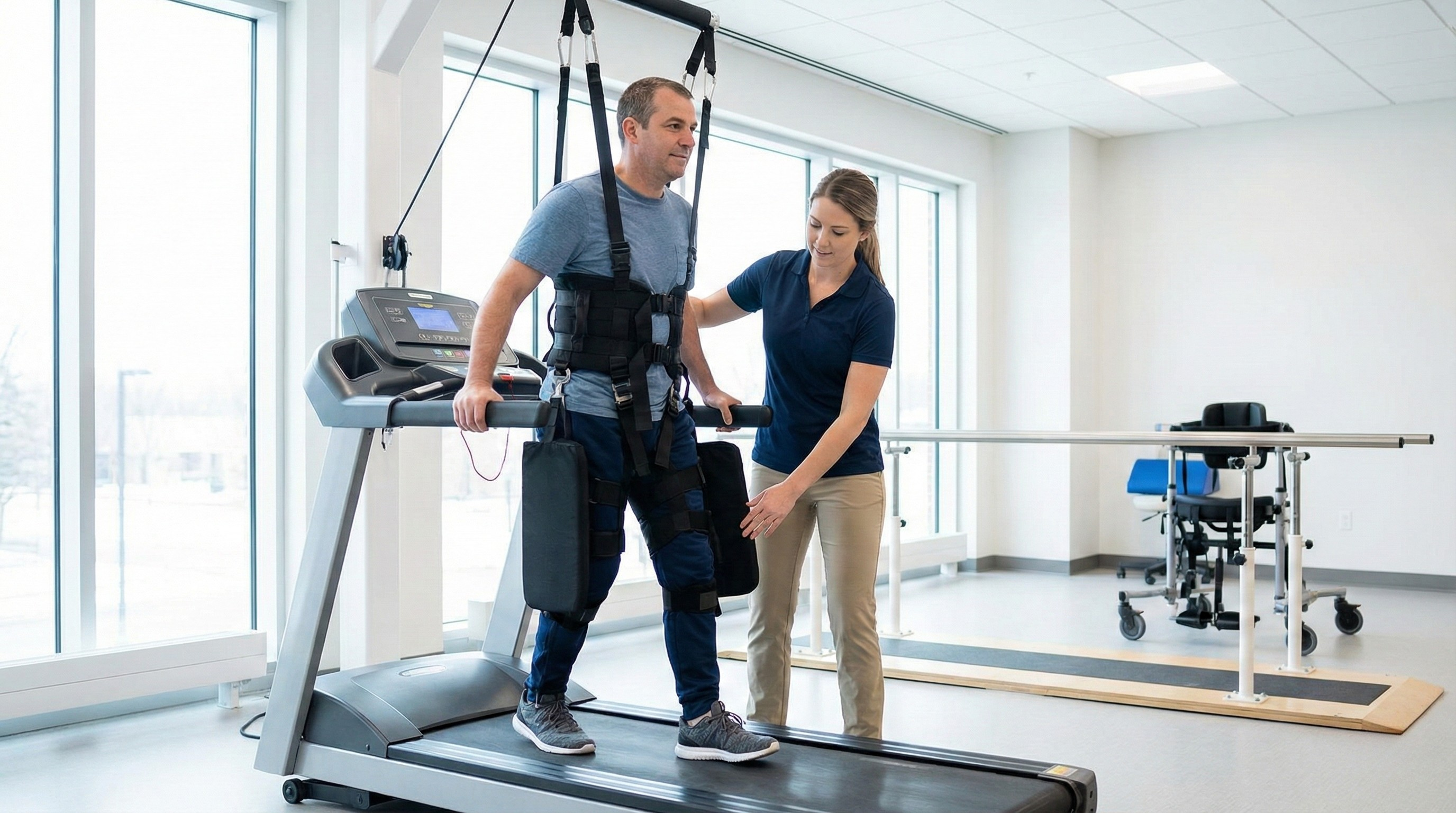
Gait training is a structured therapeutic process focused on improving or restoring the ability to stand and walk safely. It is commonly used in rehabilitation settings for individuals with spinal cord injuries, neurological conditions, developmental delays, and mobility impairments. Gait training emphasizes proper movement patterns, balance, posture, and coordination, helping individuals practice walking in a supported and controlled way.
For many wheelchair users and individuals with limited mobility, gait training is not only about walking independently. It also supports overall physical health, functional movement, and participation in daily activities. Understanding what gait training involves and how it is used can help individuals, caregivers, and clinicians make informed decisions about mobility support and rehabilitation strategies.
Understanding the Purpose of Gait Training
Gait training focuses on teaching or retraining the body to perform walking movements efficiently and safely. It addresses how the legs move, how weight is transferred, and how posture is maintained during standing and stepping. This process is often guided by physical therapists and supported by adaptive equipment.
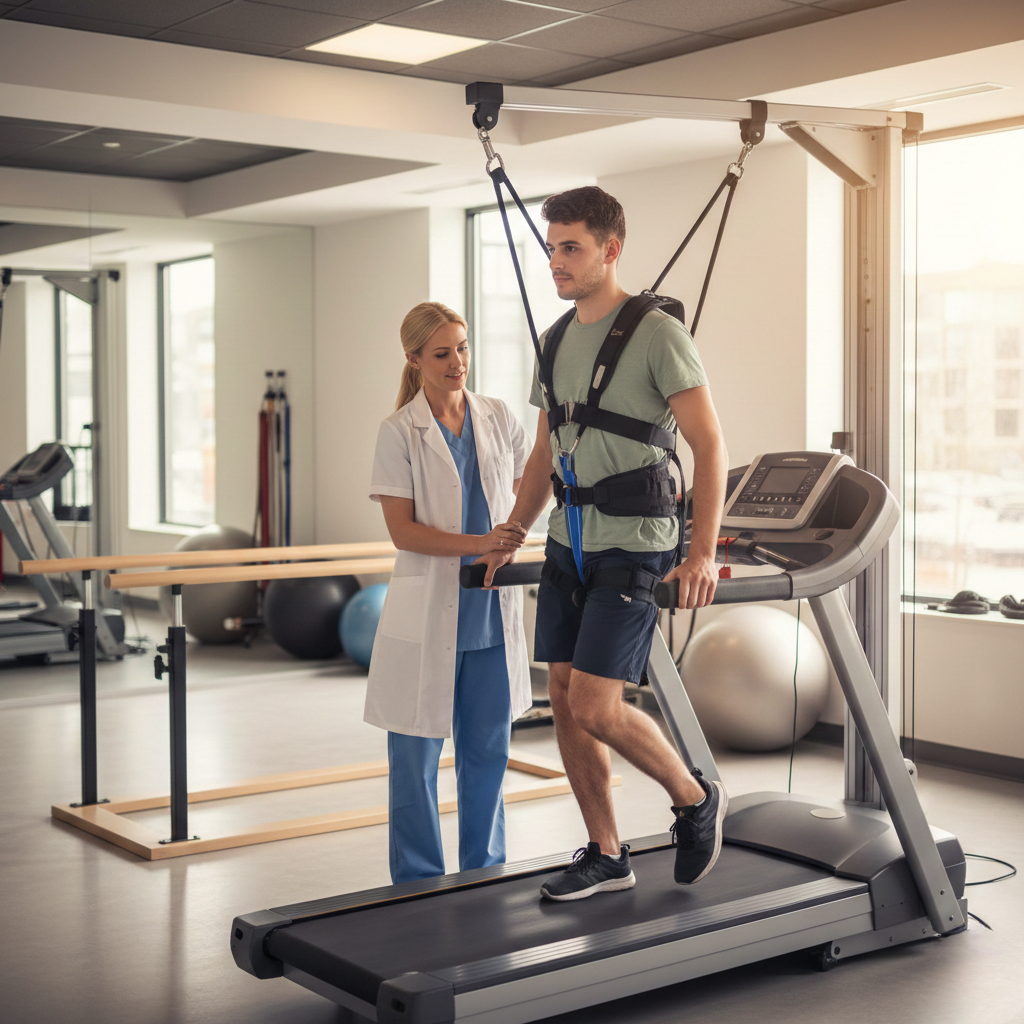
The goals of gait training vary depending on the individual. Some people work toward independent walking, while others focus on maintaining standing tolerance, improving circulation, or supporting joint movement. In many cases, gait training is used alongside other therapies to support overall mobility and long term health.
Common objectives of gait training include
- Improving balance and coordination
- Supporting muscle activation and strength
- Encouraging proper posture and alignment
- Reducing fall risk during movement
- Promoting safe and repetitive walking practice
Who Benefits From Gait Training
Gait training is used across a wide range of ages and diagnoses. It is commonly introduced in rehabilitation programs for individuals who experience difficulty walking or standing independently.
Populations that often benefit from gait training include
- Individuals with spinal cord injuries
- People with stroke related mobility challenges
- Children with cerebral palsy or developmental delays
- Adults with neurological conditions such as multiple sclerosis
- Individuals recovering from orthopedic injuries or surgery
For wheelchair users, gait training can support upright positioning and assisted movement even when independent walking is not the primary goal. Standing and stepping practice may help support circulation, muscle engagement, and overall well being.
How Gait Training Works
Gait training typically involves guided practice of walking movements using manual support, assistive devices, or adaptive equipment. Therapists focus on helping individuals develop consistent movement patterns while maintaining safety and comfort.

Sessions often begin with supported standing. This allows the individual to adjust to upright positioning and prepare the body for movement. As tolerance improves, stepping motions are introduced in a controlled and repetitive manner.
Key elements of gait training include
- Weight bearing through the legs
- Controlled stepping movements
- Balance and postural support
- Repetition to support motor learning
Adaptive devices play an important role by providing stability and reducing the physical strain on therapists and caregivers.
Types of Gait Training Equipment
A wide range of gait training equipment is used in clinical and home environments. The right equipment depends on the individual’s size, strength, and therapy goals.
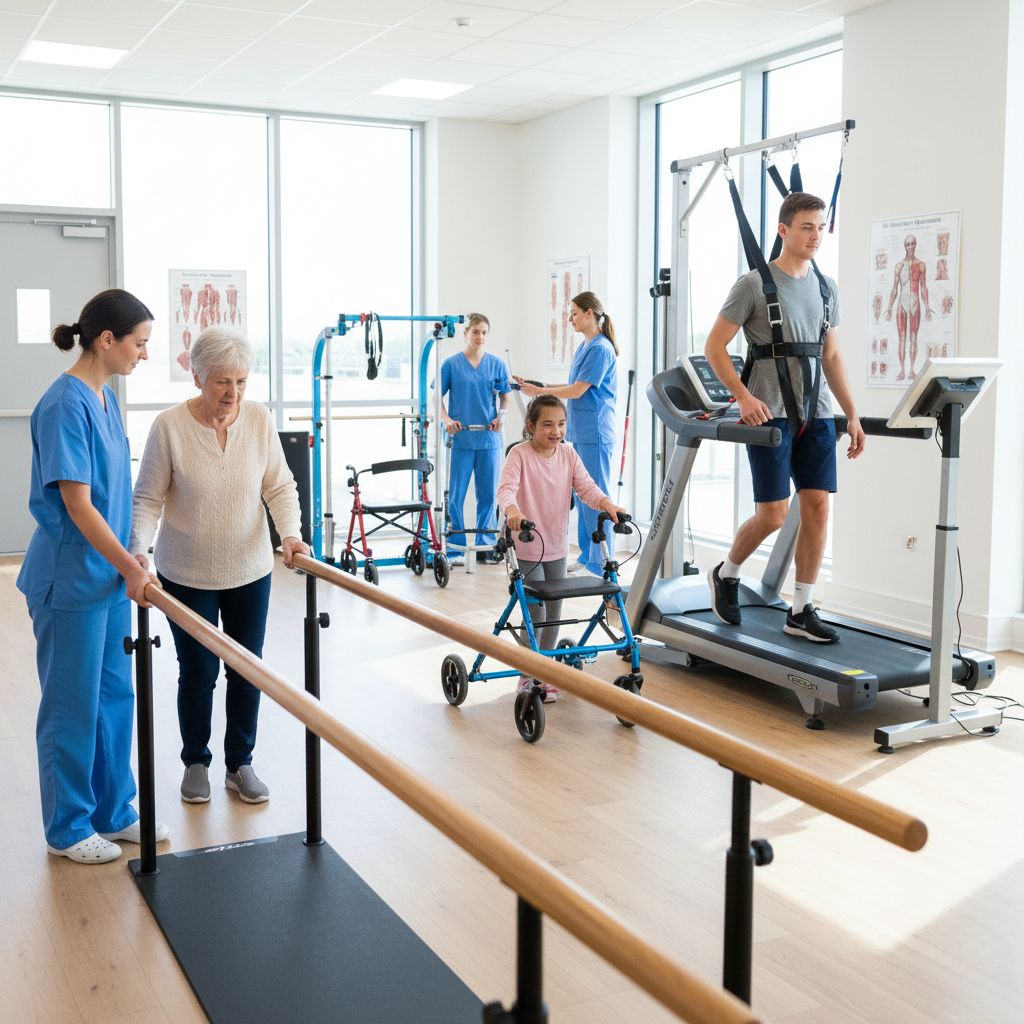
Common types of gait training tools include
- Parallel bars for basic walking practice
- Treadmills with body weight support systems
- Mobile gait trainers with adjustable supports
- Standing frames that transition into assisted walking
Gait trainers are especially useful because they allow users to practice movement while maintaining upright alignment and stability. Many designs are adjustable, making them suitable for progressive therapy as strength and coordination change over time.
Benefits of Gait Training Beyond Walking
While walking practice is a primary focus, gait training offers benefits that extend beyond mobility alone. Regular standing and assisted movement can support multiple body systems.
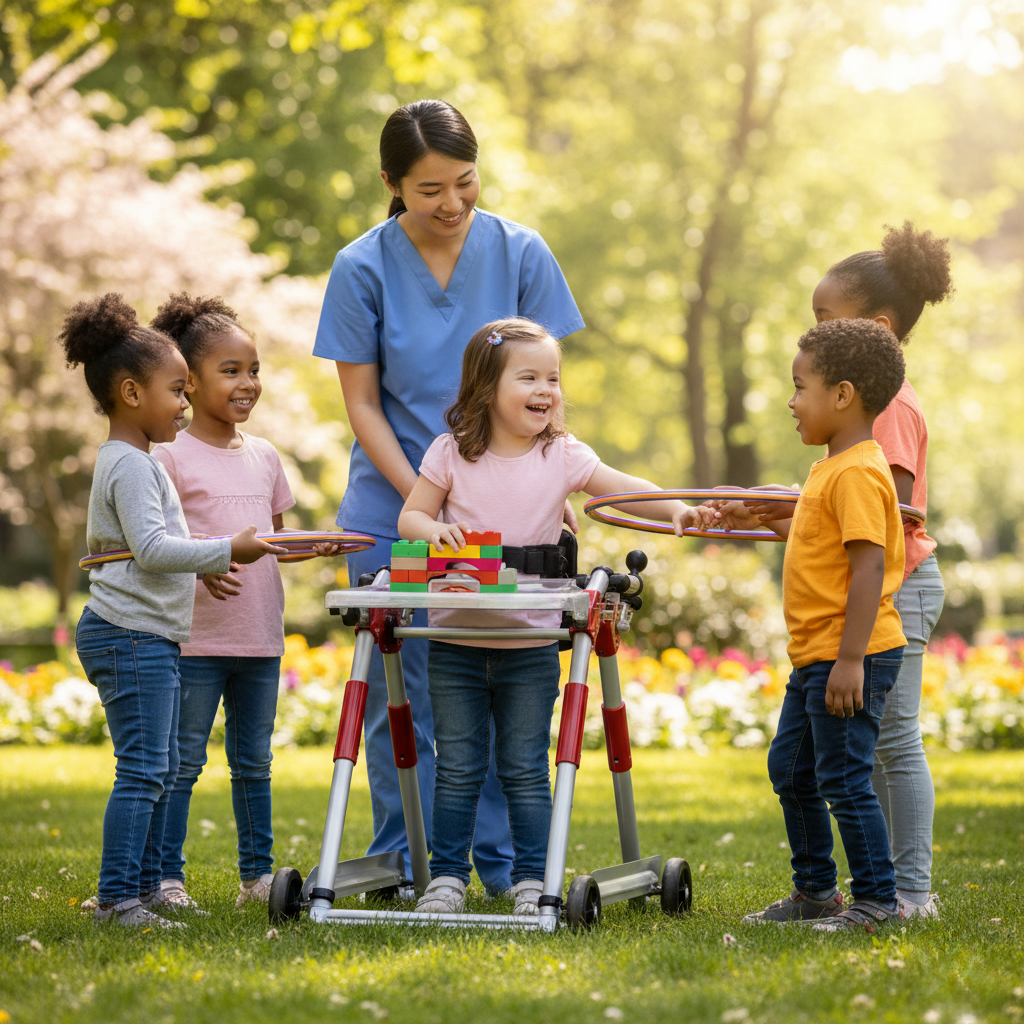
Gait training can also provide psychological and social benefits. Upright mobility allows individuals to interact with their environment at eye level, which can support confidence and engagement in daily life.
Gait Training in Pediatric Rehabilitation
In pediatric rehabilitation, gait training is often introduced early to support motor development and functional movement. Children with mobility challenges may use pediatric gait trainers to explore their environment, practice stepping, and participate in play activities.
For growing children, adjustable gait training equipment is especially important. Devices that accommodate changes in height and strength help ensure continued support as therapy goals evolve.
Pediatric gait training often focuses on
- Encouraging natural movement patterns
- Supporting posture and alignment
- Promoting independence and exploration
- Integrating movement into daily routines
Gait Training for Adults With Mobility Impairments
Adults with spinal cord injuries or neurological conditions may use gait training as part of long term mobility management. In these cases, the emphasis may be on maintaining function, preventing secondary complications, and supporting overall health.
Gait training can be integrated into outpatient therapy, home programs, or wellness routines. Some individuals use gait trainers regularly, while others incorporate standing and stepping sessions periodically as part of a broader mobility strategy.
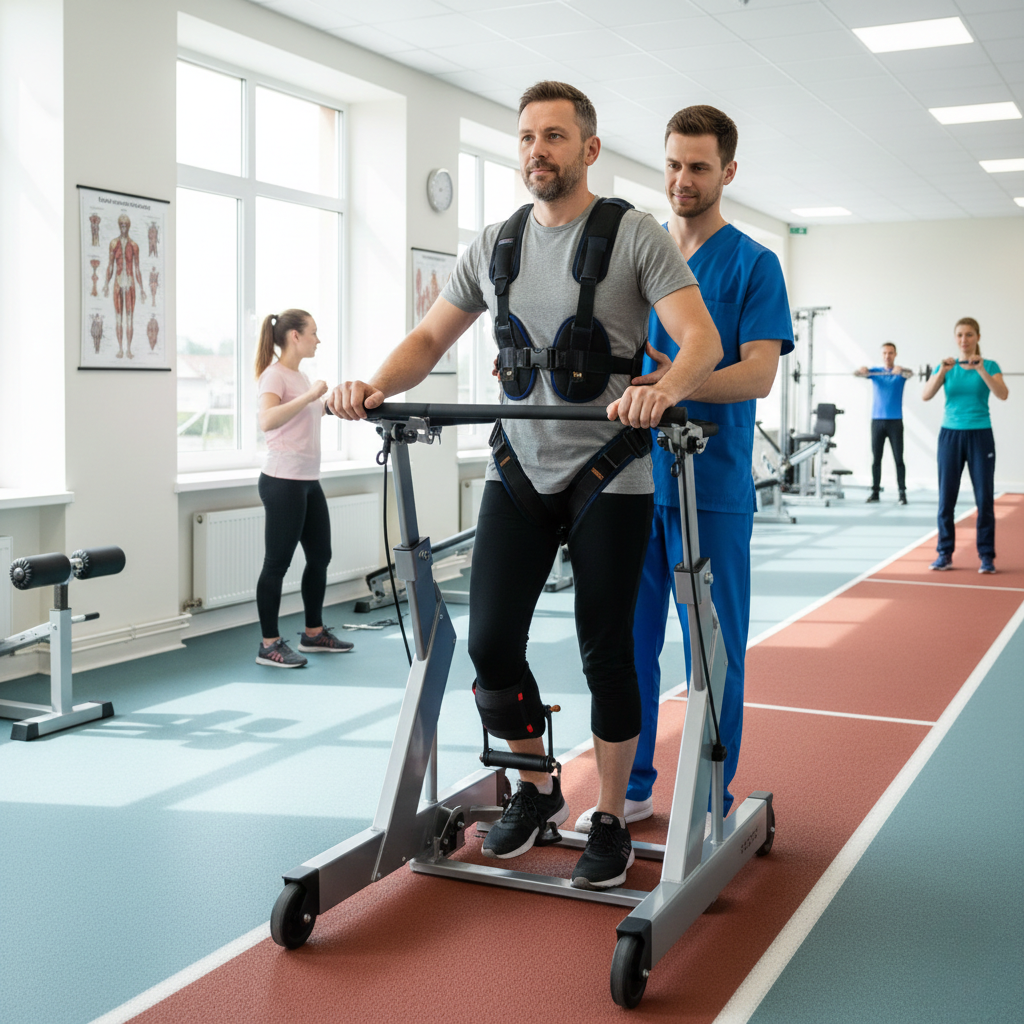
The Role of the StandNWalk Gait Trainer
The StandNWalk Gait Trainer is an example of adaptive equipment designed to support both standing and assisted walking. This type of device allows users to transition from upright positioning into guided movement while maintaining stability.
The StandNWalk Gait Trainer includes adjustable supports that help align the trunk, pelvis, and lower extremities. This design supports proper posture during standing and stepping activities. By combining standing support with mobility assistance, it helps bridge the gap between static positioning and dynamic movement.
In clinical and home settings, devices like the Stand n Walk Gait Trainer are often used to
- Support progressive gait training programs
- Reduce physical strain on caregivers and therapists
- Encourage repetitive and controlled stepping practice
- Accommodate a range of user sizes and abilities
Its adaptability makes it suitable for pediatric and adult users who require varying levels of support during gait training.
Safety Considerations in Gait Training
Safety is a critical component of any gait training program. Proper supervision, appropriate equipment selection, and individualized setup help reduce the risk of injury.
Important safety considerations include
- Ensuring proper fit and alignment
- Using secure supports and harnesses when needed
- Monitoring fatigue and tolerance levels
- Progressing gradually based on ability
Therapists and caregivers play a key role in adjusting equipment and guiding sessions to match the individual’s needs.
How Gait Training Fits Into a Broader Mobility Plan
Gait training is often one part of a comprehensive mobility or rehabilitation plan. It may be combined with strength training, stretching, wheelchair skills training, and functional activities.
For many individuals, gait training supports goals related to health maintenance rather than independent walking alone. Standing and assisted movement can complement seated mobility by promoting physical engagement and variation in posture.
A balanced mobility plan often includes
- Wheelchair mobility for efficiency and independence
- Standing programs for health benefits
- Gait training for assisted movement and function
- Adaptive equipment to support daily activities
Choosing the Right Gait Training Approach
Selecting the right gait training approach depends on individual goals, physical abilities, and available support. Consultation with a physical therapist or mobility specialist helps ensure that equipment and techniques align with specific needs.
Equipment that allows progression and adjustment over time often provides greater value and flexibility.
The Importance of Consistency and Progression
Consistency is key in gait training. Regular practice supports motor learning, strength development, and endurance. Progression should be gradual and based on comfort and ability rather than rigid timelines.
Small improvements in posture, balance, or stepping consistency can represent meaningful progress. Gait training is a process that evolves alongside the individual’s needs and goals.
Supporting Mobility Through Gait Training
Gait training plays an important role in supporting mobility for individuals with a wide range of physical abilities. It emphasizes safe movement, upright positioning, and functional engagement with the environment.
By combining therapeutic guidance with adaptive equipment such as gait trainers, individuals can practice standing and walking in a way that supports health, confidence, and quality of life. Gait training is not defined by a single outcome but by the opportunity it provides to move, participate, and progress at an individualized pace.