null
Created with Sketch. Created with Sketch.

Transfer Aids for Vehicles

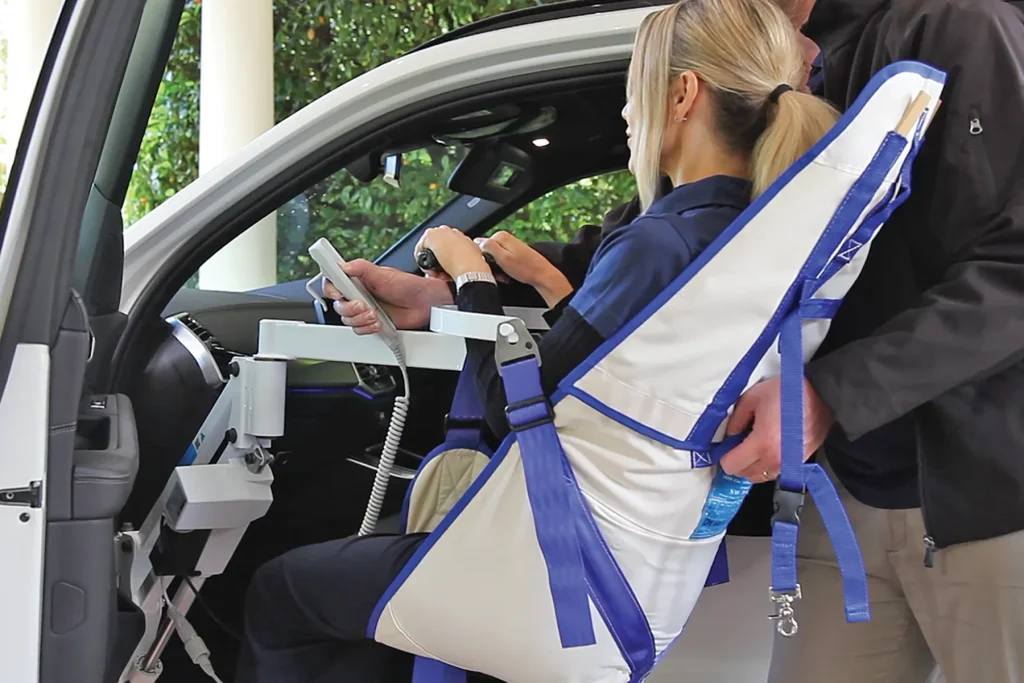
Para Mobility IBIS wheelchair to car access transfer aid
 

Get in and out of your vehicle safely and independently. Vehicle transfer aids move you between your wheelchair and car seat with support, dignity, and less strain on you and your caregiver.

Independence Between Your Chair and Your Car

Moving from a wheelchair to a car seat is one of the hardest parts of daily mobility. A vehicle transfer aid takes the strain out of that moment, giving wheelchair users a safe, supported way to get in and out of the car without a risky manual lift.

Our wheelchair-to-car transfer solutions are built for real independence and to protect caregivers from injury. Whether you're transferring on your own or with help, the right equipment makes each trip safer and less exhausting.

We feature the IBIS Wheelchair to Car Access by Para Mobility — a purpose-built system designed to give you greater control, independence, health, and well-being every time you get behind the wheel or into a passenger seat.

Not sure which transfer aid fits your vehicle and mobility level? Tell us your car and situation and we'll help you choose before you order.

Why Use a Vehicle Transfer Aid?

Safer transfers. Supported movement reduces the risk of falls getting in and out of the car.

More independence. Get in and out on your own terms, with less reliance on others.

Protects caregivers. Cuts the heavy manual lifting that leads to back injury.

Built to last. Engineered mobility equipment designed for daily, reliable use.

Para Mobility IBIS wheelchair to car access system

Vehicle fit

Transfer aids are designed around specific vehicle types and door openings. Confirm compatibility with your car, van, or SUV first.

Support level

Match the aid to how much lifting support you need — from guided sit-to-transfer moves to a fully assisted powered lift.

Independent or assisted

Some systems let you transfer solo; others are designed for a caregiver to operate. Choose based on who's helping day to day.

Funding & support

Higher-cost mobility equipment may qualify for financing, insurance, grants, or workers' comp. Ask us about your options.
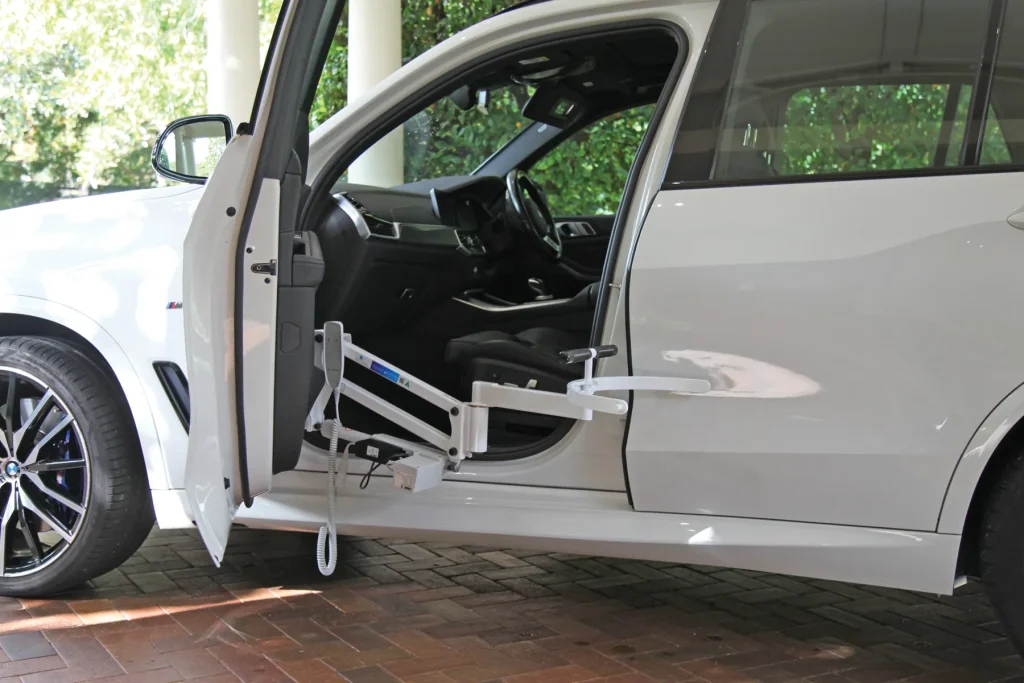
Para Mobility IBIS vehicle transfer aid in use
 

Talk to a vehicle transfer specialist

Tell us your vehicle and mobility needs and we'll match the right transfer aid — and walk you through financing and insurance. Call (619) 810-0010.

Check out these other Categories

Wheelchair Vehicle Lifts Powered lifts to load chairs and scooters. Manual Transfer Lifts & Aids Hands-on aids for safe everyday transfers. Transfer Boards Simple, portable boards for seat-to-seat moves.

Helpful Articles & Guides

How to Transport a Power Wheelchair Getting your chair in and out of a vehicle safely. Wheelchair Travel Resources Guide Tips and resources for traveling as a wheelchair user. Living Spinal Blog More guides, product news, and mobility tips.

Vehicle Transfer Aids FAQ (Frequently Asked Questions)

What are vehicle transfer aids?

Vehicle transfer aids are devices that help a wheelchair user move safely between their wheelchair and a car seat. They range from simple transfer boards to fully powered wheelchair-to-car access systems that lift and position the user with minimal effort.

Who needs a wheelchair-to-car transfer aid?

Anyone who finds moving between a wheelchair and a vehicle seat difficult or unsafe can benefit, including people with spinal cord injuries, limited upper-body strength, or progressive conditions. They also protect caregivers from the strain of manual lifting.

What is the IBIS Wheelchair to Car Access?

The IBIS Wheelchair to Car Access by Para Mobility is an assisted-living mobility system designed to give you greater control, independence, health, and well-being. It provides a supported way to transfer between your wheelchair and vehicle.

How is a transfer aid different from a vehicle lift?

A vehicle lift loads your wheelchair or scooter into the car, while a transfer aid helps move the person between the chair and the seat. Many users need both — one for the equipment, one for the transfer itself.

Can I use a vehicle transfer aid independently?

Some systems are designed for independent use, letting you transfer on your own, while others are built for a caregiver to operate. The right choice depends on your strength, mobility, and who assists you day to day.

Will a transfer aid fit my vehicle?

Compatibility depends on your vehicle's type, seat, and door opening. Because fit is critical, we recommend confirming your specific car, van, or SUV with our specialists before ordering.

Do vehicle transfer aids help caregivers?

Yes. By reducing or eliminating heavy manual lifting, transfer aids lower the risk of back and shoulder injury for family members and professional caregivers, making daily transfers safer for everyone involved.

Are vehicle transfer aids safe?

When matched to your needs and vehicle and used as directed, transfer aids are designed to make transfers far safer than an unassisted manual lift. Proper setup and following the manufacturer's instructions are key.

How much does a vehicle transfer system cost?

Prices vary by capability. Powered wheelchair-to-car access systems like the Para Mobility IBIS are a significant investment, while simpler aids cost much less. Financing and funding assistance can help spread the cost.

Does insurance or a grant cover vehicle transfer aids?

Some vehicle transfer equipment may qualify for insurance, grants, or workers' comp coverage depending on your situation. Our team can help you explore financing and funding options to make it more affordable.

What's the difference between a transfer board and a powered transfer system?

A transfer board is a simple, low-cost surface you slide across for seat-to-seat moves, requiring more physical effort. A powered transfer system does the lifting for you, offering more support for users with limited strength.

How do I choose the right vehicle transfer aid?

Consider your vehicle, how much support you need, and whether you'll transfer alone or with help. For a personalized recommendation, call our specialists at (619) 810-0010 for a free consultation.