
1-619-810-0010 9AM-5PM (CST) : Mon - Thu 9AM-3PM (CST) : Fri 9AM-5PM (CST) : Sat - Sun
1-619-810-0010 9AM-5PM (CST) : Mon - Thu 9AM-3PM (CST) : Fri 9AM-5PM (CST) : Sat - Sun
Living Spinal
Wheelchair Cushions & Backrests: Pressure Relief, Posture & Comfort
Air, gel, foam and hybrid seat cushions plus rigid back support, chosen by people who sit on them all day.
 Shop Cushions & BackrestsROHO, Jay, Comfort Company, Varilite & more below

 Call (619) 810-0010
 Chat With a Specialist

✓ Pressure relief experts✓ Seating help from wheelchair users✓ HSA/FSA accepted
Wheelchair cushions and backrests decide how long you can sit comfortably, how well your skin holds up, and how straight you sit. The right cushion for wheelchair seat use spreads pressure off bony areas, while a supportive wheelchair backrest keeps your pelvis and trunk stable through the day.
Compare air cushion, gel cushion, foam cushion and hybrid designs from ROHO, Comfort Company, Jay and Varilite, plus rigid backrest and lateral support systems. Living Spinal is owned and operated by people living with paralysis who use this equipment. Tap any section below, or start with our Wheelchair Seat Cushion Guide.
Supportive Wheelchair Backrests for Posture and Pressure Relief
Your wheelchair backrest works together with your seat cushion to keep you aligned, supported, and comfortable throughout the day. A quality wheelchair back support stabilizes the pelvis and trunk, supports the natural curve of the spine, and reduces pressure on bony prominences. We carry rigid wheelchair backrests, contoured back systems, and lateral trunk support options from ROHO and Comfort Company - all designed to replace standard sling upholstery with a measurable upgrade in positioning and comfort.
›
Why the Right Wheelchair Cushion Matters

A sling seat lets your hips sink and puts pressure on your tailbone and sitting bones. A dedicated wheel chair cushion spreads that load, keeps skin cooler and stops you from sliding forward.
- Pressure relief: pressure relief cushions for wheelchairs lower peak pressure on the sacrum and ischial tuberosities.
- Better posture: a contoured base levels the pelvis so your spine and shoulders line up.
- Longer sitting time: less pain and fidgeting means more hours in your chair.
- Easier pushing: a stable seat lets your arms work on the wheels instead of holding you upright.
- Safer transfers: a firm front edge gives you something solid to push from.
Real-world advice: Our team sits on these cushions every day. Any cushion only works when set up right, so check inflation or bottoming out weekly with a hand check under your sitting bones.
›
How to Choose Wheelchair Cushions & Backrests
The best cushions for a wheelchair match your skin risk, posture and how you transfer. Compare these six factors before you buy:
Skin risk
History of pressure injuries or no sensation? Start with air or alternating-pressure designs.
Positioning
Pelvic tilt or leaning? Contoured foam bases and lateral supports correct alignment.
Material
Air adapts best, gel stays cool, foam is light and stable, hybrid blends both.
Weight & transfers
Lighter cushions help self-propellers; firmer fronts help independent transfers.
Cover
Look for incontinence-resistant, low-shear covers you can remove and wash.
Chair fit
Match cushion width and depth to your seat. Never overhang the frame.
Quick match
- High skin risk? An adjustable air cushion like the ROHO QUADTRO SELECT.
- Need stability? A contoured foam cushion or hybrid with a rigid backrest.
- Active all day? A low-profile, lightweight wheelchair cushion with an adjustable back support.
›
Wheelchair Seat Cushion Types: Air, Gel, Foam & Hybrid

Every wheelchair seat cushion balances pressure relief, stability and weight differently. Here is how the main types compare.
Air cushions
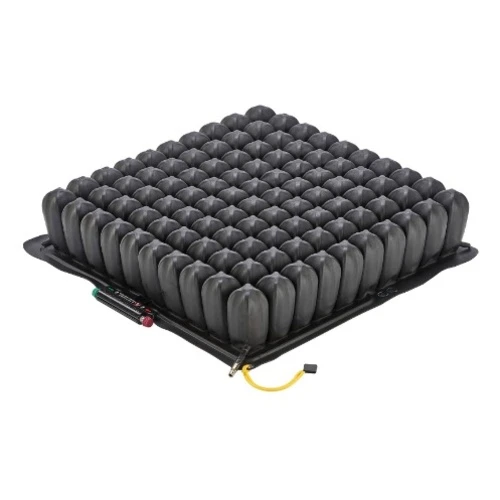
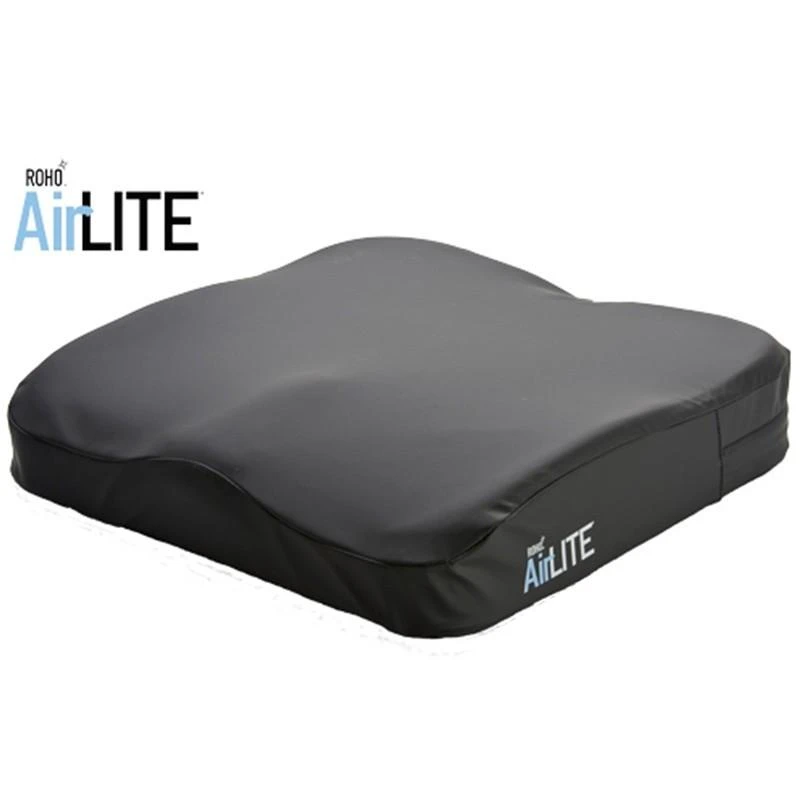
Interconnected air cells move with you and adapt to your shape. The ROHO QUADTRO SELECT high profile cushion adds ISOFLO zones to fine-tune positioning, and the ROHO AirLITE cushion offers a lighter, lower-maintenance option. Browse all ROHO cushions.
Gel and fluid cushions
Gel stays cool and flows under bony areas. The Jay J2 wheelchair seat cushion pairs a contoured base with fluid pads, and Elements with Gel by Comfort Company blends gel with foam.
Foam and hybrid cushions
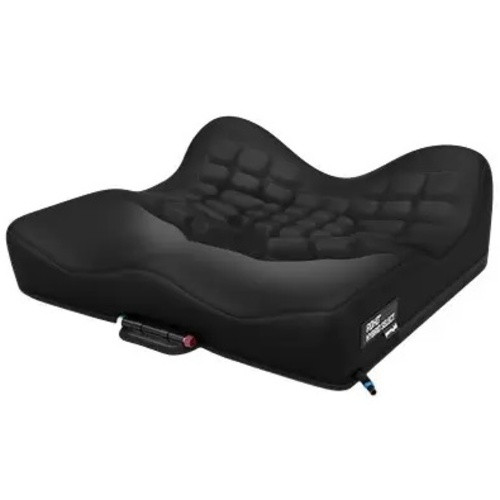
Foam bases are light and stable. The ROHO Hybrid Select cushion adds an air insert under the hips, and the Varilite Evolution seat cushion uses self-inflating foam. See every option in wheelchair seat cushions.
›
Wheelchair Backrests: Rigid Back Support & Trunk Support
A sling back stretches over time and lets you slump. A rigid backrest holds your pelvis upright, supports the curve of your spine and gives your arms a stable base to push from.
Rigid and carbon fiber backs
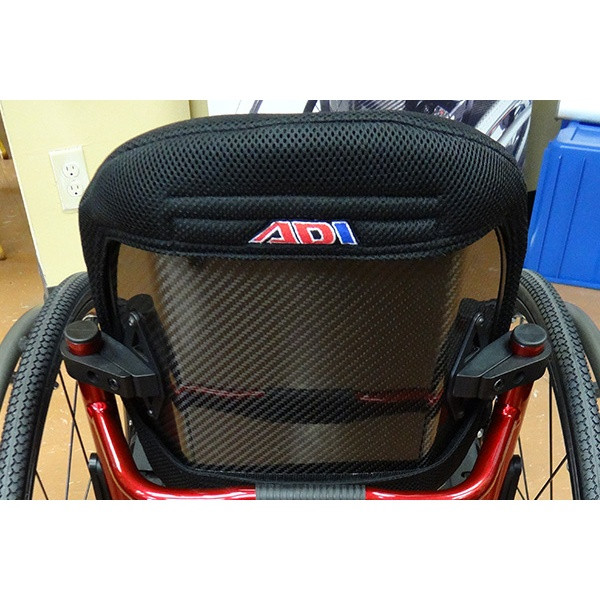
The ADI carbon fiber positioning back support and ADI aluminum back supports are light, firm and adjustable in angle and height.
Contoured and lateral support backs
Users with limited core strength benefit from lateral support wings and deeper contours for trunk support. Compare Comfort Company backrests, including moldable backs, and Agility backrest options among ROHO wheelchair backrests.
Wheel chair back cushion add-ons
A padded wheel chair back cushion adds comfort to a standard back when a full system is not needed. See all wheelchair backrests.
 Email
›
Best Wheelchair Seat Cushion for Pressure Sores
If you have had a pressure injury or have little sensation, the best wheelchair seat cushion for pressure sores is one that keeps peak pressure low and lets air reach the skin. A pressure relief seat cushion works best paired with regular weight shifts.
What to compare
- Immersion: how deeply you sink in. More immersion spreads pressure over a larger area.
- Adjustability: air cushions like the ROHO Hybrid Elite dual compartment cushion let you set each side separately.
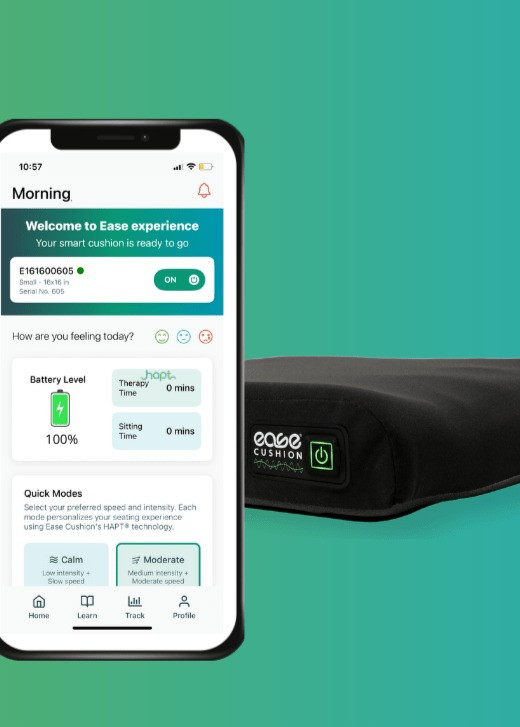
- Active relief: the Ease Smart alternating pressure seat cushion shifts pressure automatically.
Learn the warning signs in our Pressure Sores Resource Guide, or browse cushions by brand.
Pro tip: Any new cushion needs a skin check. Look at your skin after the first 30 minutes, then after one hour. Redness that lasts more than 30 minutes means the setup needs adjusting.
›
Wheel Chair Seat Pads, Pillows & Padded Cushions
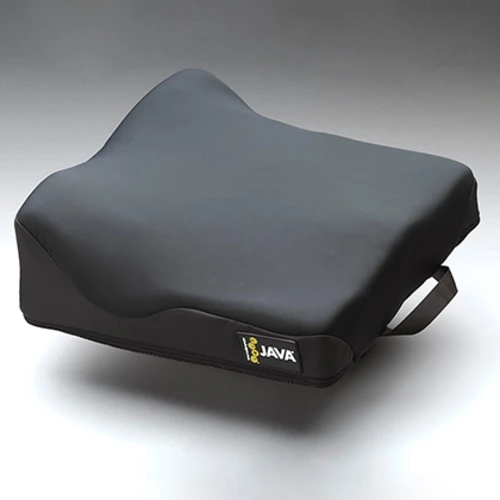
Not everyone needs a clinical cushion. A padded cushion for wheelchair comfort, a wheelchair pillow for the back, or simple wheel chair seat pads can turn a hard seat into a cushioned wheelchair for short outings.
- Seat pad or wheelchair pad: thin foam or gel layers for transport chairs and occasional users.
- Wheelchair padding: armrest and back padding reduce rubbing and pressure points.
- Power chair cushion: contoured cushions like the Ride Java cushion fit power wheelchair seats for long days.
- Chair cushion for wheelchair users at home: the Curve seat cushion by Comfort Company is a supportive everyday choice.
Pro tip: Replace worn covers to keep any cushion for wheel chair use hygienic. Shop wheelchair seat cushion covers for most models.
›
Checklist: Setting Up a New Cushion and Backrest

A new seating system goes much smoother with a plan. Here is the checklist our team uses:
1. Measure your seat
Measure the wheelchair seat width and depth, and your hip width, before choosing a size.
2. Install the cushion correctly
Check the front and back markings. Many contoured cushions only work one way.
3. Set inflation or position
For air cushions, slide a hand under your sitting bones. About one finger of space is a common starting point.
4. Adjust the backrest
Set back height and angle so you sit upright without leaning forward or sliding.
5. Recheck after a week
Your body settles into new seating. Fine-tune, then shop wheelchair accessories like pumps and covers.
›
Wheelchair Cushion & Backrest FAQs
How often should I replace a wheelchair cushion?
Foam and gel cushions usually last 1 to 2 years. Air cushions last longer with care. Replace any cushion that bottoms out.
Air or gel: which wheelchair cushion is better?
Air offers the most pressure relief. Gel feels cooler and more stable. Your skin risk decides.
Do I need a special cushion for a power chair?
Many manual wheelchair cushions fit power chairs. Match the seat size and check positioning needs.
Can a backrest help with back pain?
Often, yes. A rigid backrest supports your spine and reduces slumping that strains muscles.
Can I use HSA/FSA, financing, or coupons?
Yes. We accept HSA/FSA cards, financing is available, and you can check our latest coupons and promo codes before you check out.
Need help choosing a cushion or backrest? Let's talk.
Living Spinal is owned and operated by people living with paralysis, so our seating specialists know these products firsthand. We will help match you by skin risk, posture and chair model.
Mon–Thu 9AM–5PM · Fri 9AM–3PM · Sat–Sun 9AM–5PM (CST)
 Free Video Consultation
Or leave your info and we'll reach out.
Check out these other categories
Wheelchair Seat Cushions · Wheelchair Backrests · ROHO Cushions · Comfort Company Backrests · Wheelchair Seat Cushion Covers · Wheelchair Accessories