

Pressure Injury Prevention 101: Daily Skin Care, Staging, and Seating Strategies | Living Spinal
Posted by Living SpinalLiving Spinal on Aug 19th 2026
Pressure Injury Prevention 101: Daily Skin Care, Staging, and Seating Strategies
Pressure ulcers used to be known as bed sores, amongst other terms, but the current name reflects the fact that you are just as likely to sustain damage through extended periods sitting down, as in bed. For full-time wheelchair users, sitting for long periods places sustained pressure on the ischial tuberosities (sitting bones) and coccyx—areas especially prone to pressure ulcer development if pressure isn't evenly distributed.
Preventing skin breakdown is one of the most critical aspects of wheelchair life. It requires a combination of vigilant daily care, an understanding of how these injuries develop, and a seating system engineered for medical-grade protection. Here is your comprehensive guide to pressure injury prevention.
1. Understanding the Enemy: The 4 Stages of Pressure Injuries
Pressure injuries occur when prolonged pressure, combined with friction and shear, cuts off blood circulation to the skin and underlying tissues. They develop in four clinical stages:
-
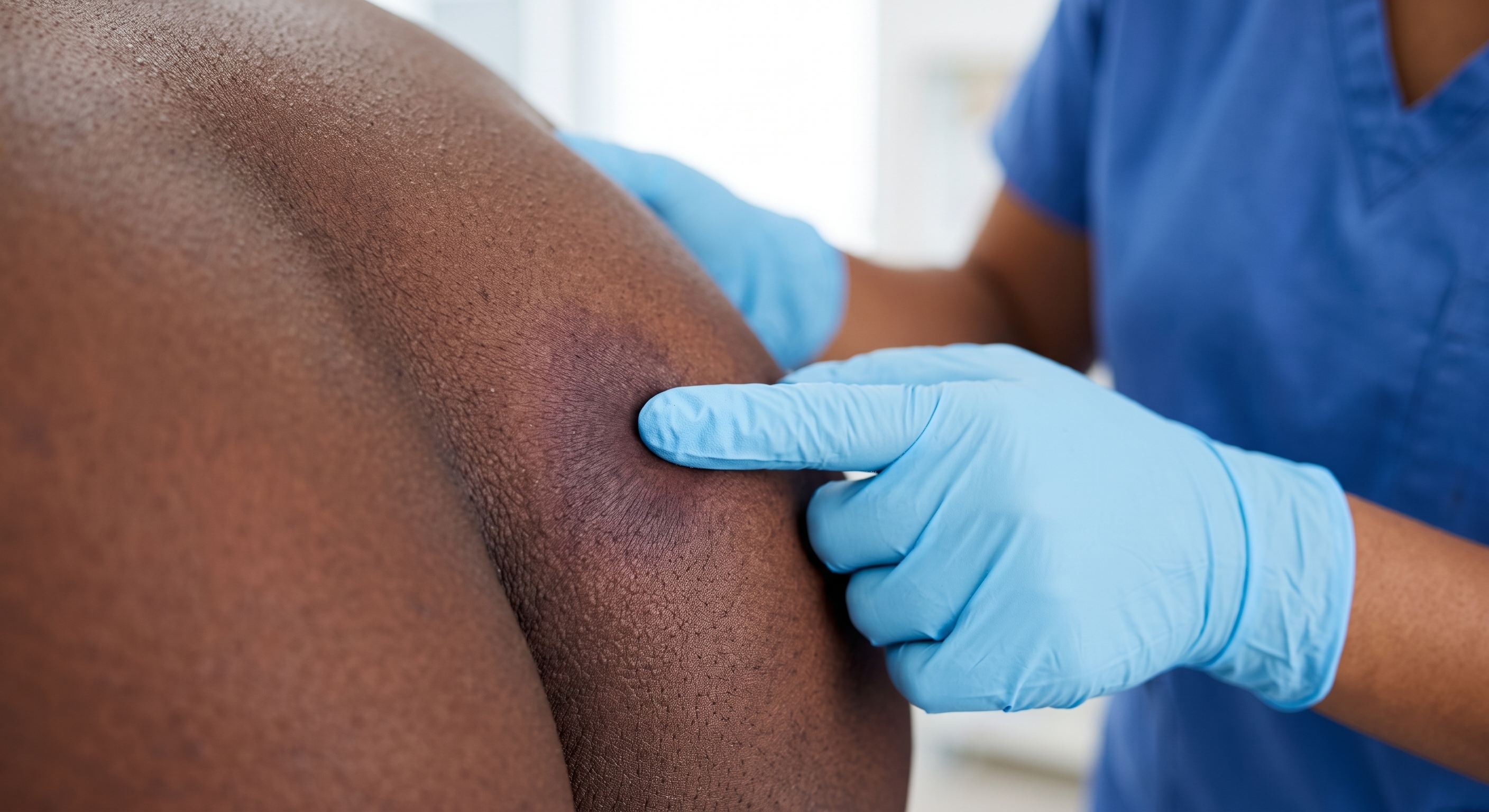
Stage 1: The skin is intact but appears red (or darker/purplish on darker skin tones). Crucially, this redness does not "blanch" (turn white) when pressed. This is your early warning sign.
-
Stage 2: The outer layer of the skin (epidermis) is broken or worn away. It may look like a shallow open ulcer or a fluid-filled blister.
-
Stage 3: The injury deepens into the layer of fat beneath the skin, forming a small crater.
-
Stage 4: The most severe stage, where tissue loss extends deeply, exposing muscle, tendon, or even bone.
2. Daily Skin Care and Prevention Strategies
Preventing pressure injuries is entirely about consistency. Incorporate these habits into your daily routine:
-
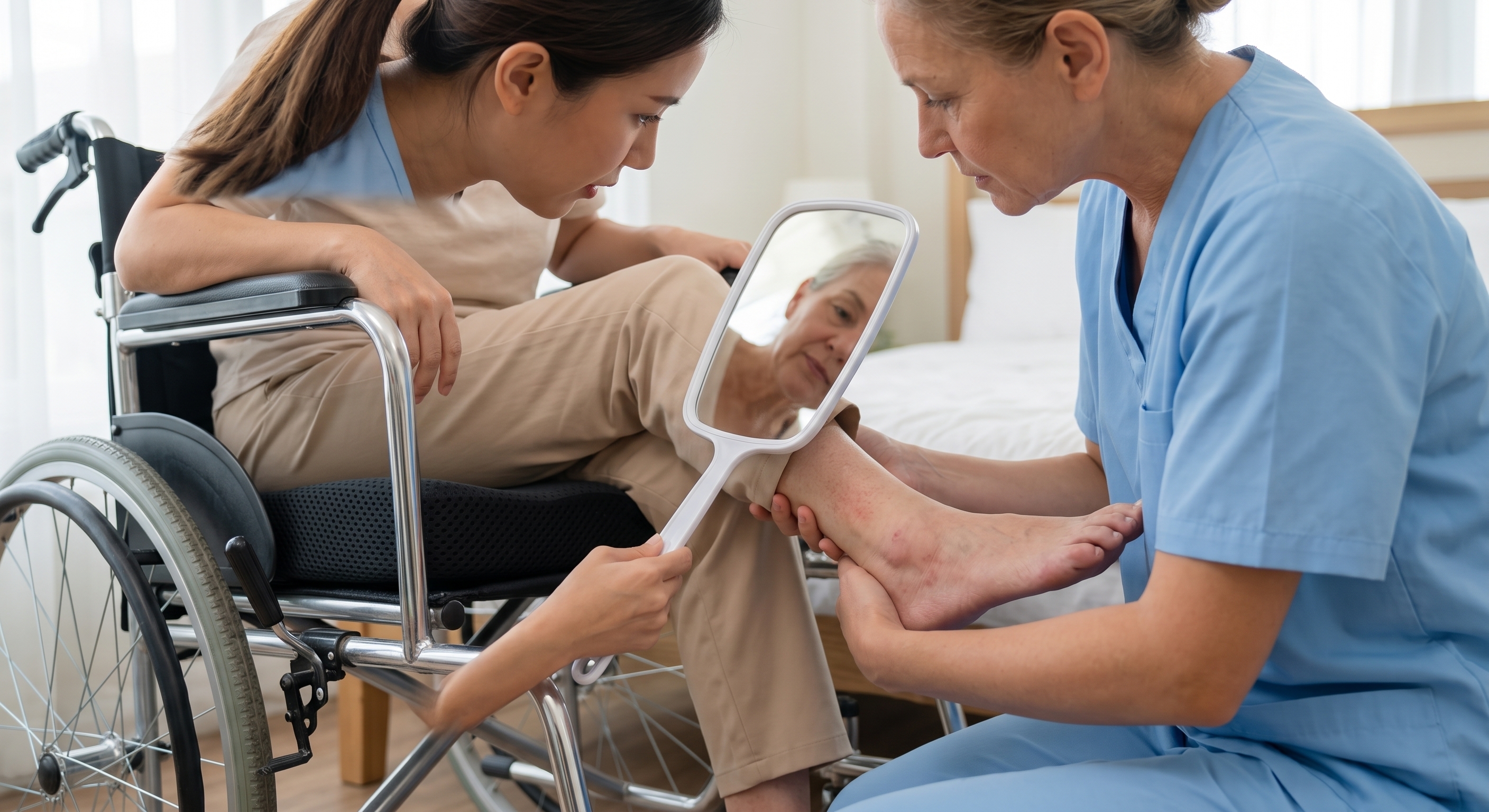
Rigorous Skin Checks: Inspect your skin every morning and every night. Use a long-handled mirror or smartphone camera to check high-risk areas like your tailbone, sit bones, heels, and shoulder blades. If you spot a Stage 1 red mark, immediately adjust your seating or stay off that area until it fades.
-
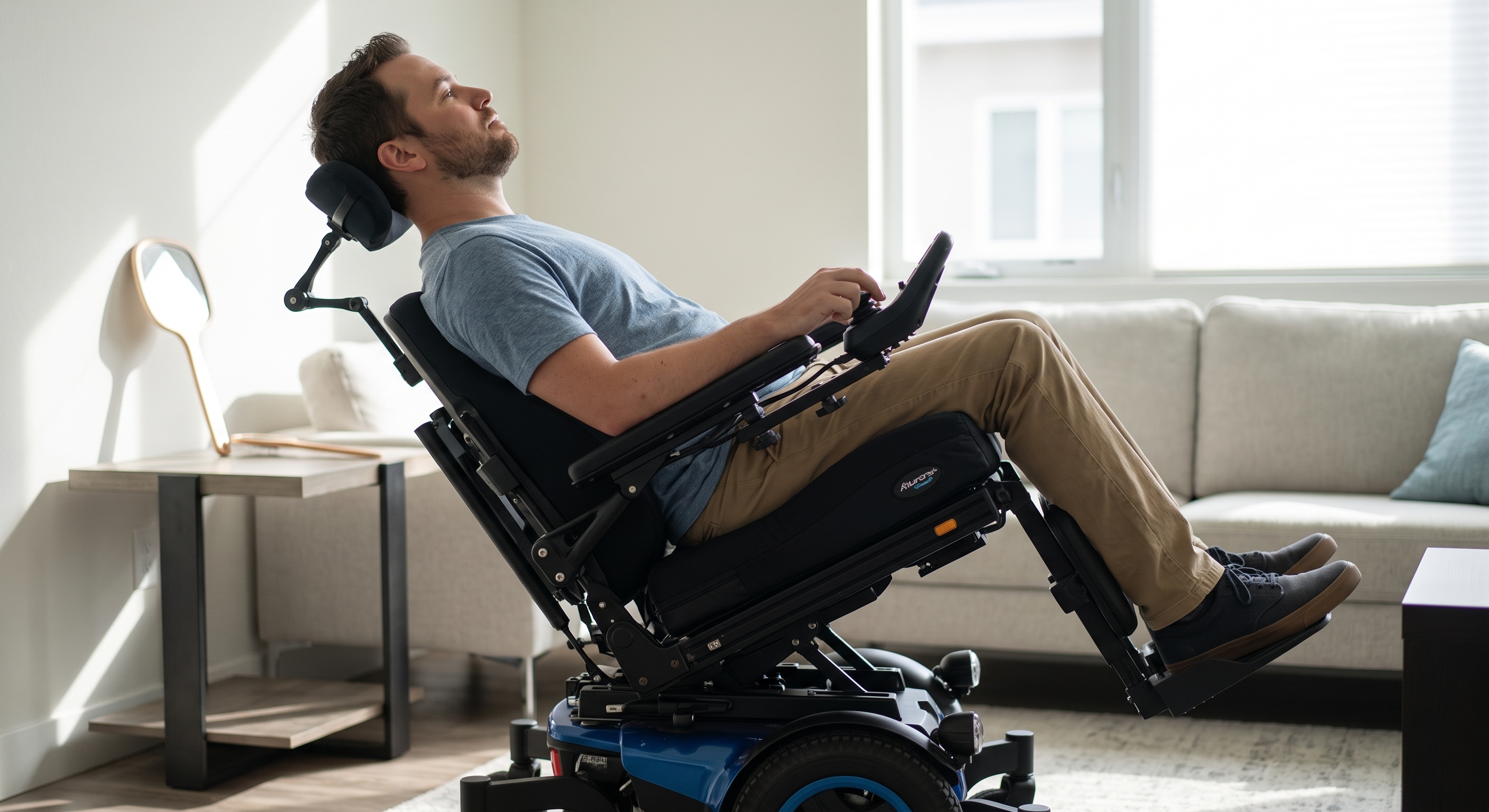
Consistent Weight Shifts: You must relieve the pressure on your sitting bones regularly. Perform a thorough weight shift (tilting back in a power chair, or leaning completely forward/side-to-side in a manual chair) for at least 1-2 minutes every 30 to 60 minutes.
-
Moisture Management: Wet skin is fragile skin. Sweat and incontinence dramatically increase the risk of skin breakdown. Keep the skin clean and dry, and ensure your cushion covers are breathable.
3. Seating Strategies: Your First Line of Defense
Your wheelchair cushion is not just for comfort; it is a vital piece of medical equipment. Different seating challenges require different cushion configurations. When shopping the
Air Flotation Technology
Air cushions actively redistribute pressure through a proven air cell system that mimics the protective properties of floating in water.
-
Top Pick:
ROHO Seat Cushions
SmartCell Air-Cell & Foam Hybrids
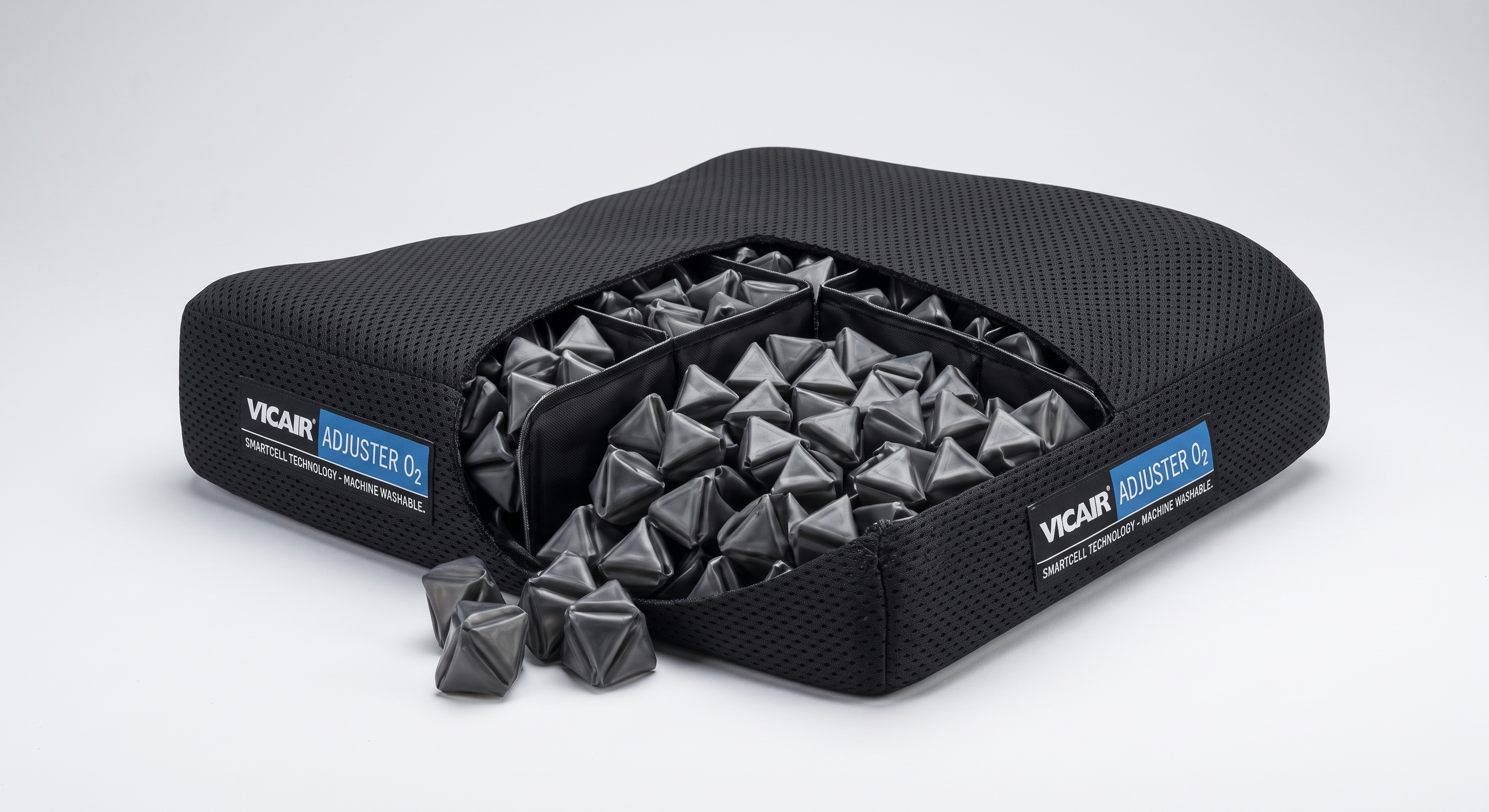
For users needing massive adjustability without the risk of an air leak, SmartCell technology is a game-changer.
-
Top Pick: The
Vicair Adjuster O2 by Comfort Company
Fluid and Contoured Foam Systems
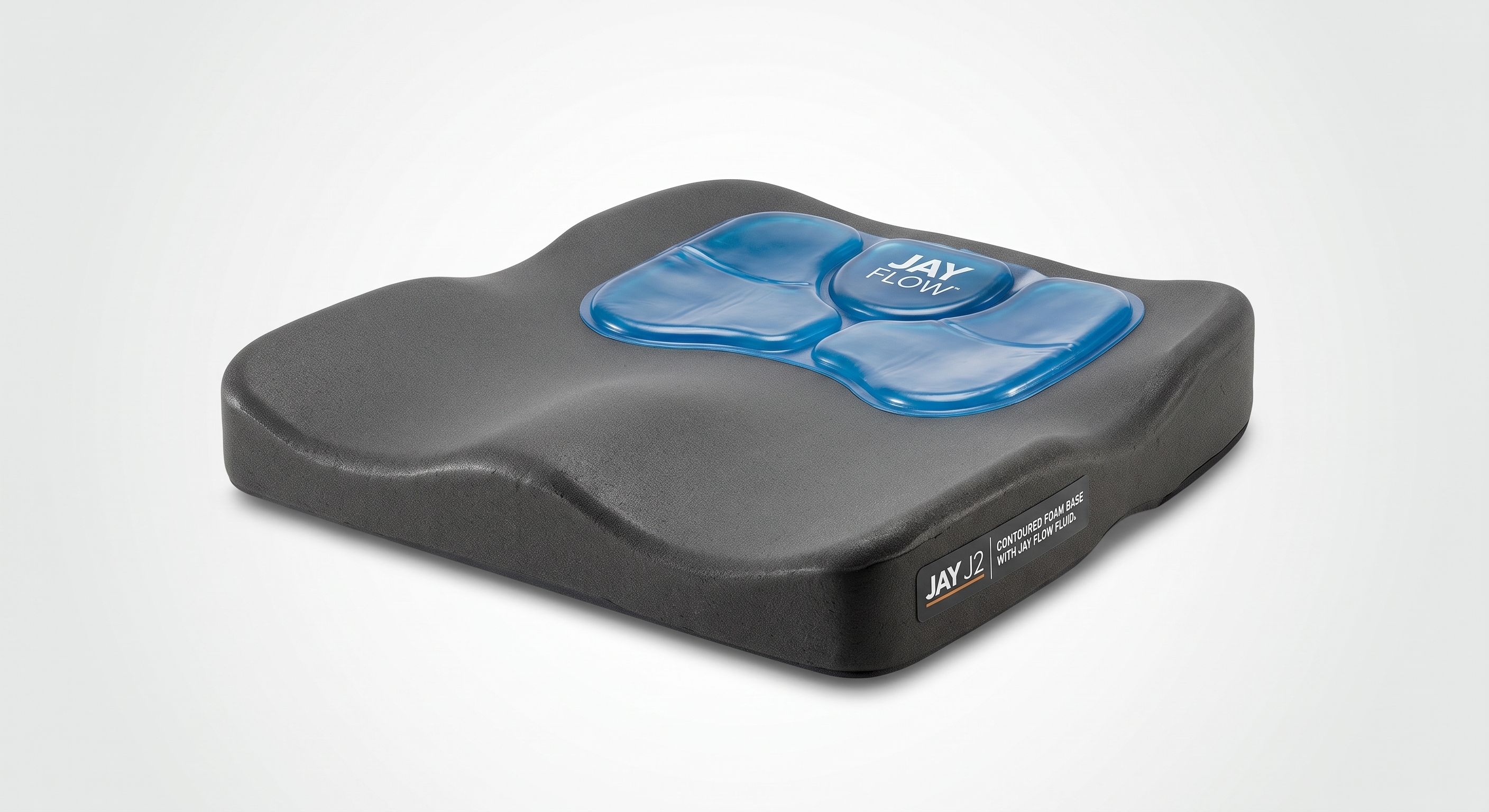
Fluid systems provide a maintenance-free approach to high-level skin protection, utilizing gel or fluid pads combined with a firm base for posture support.
-
Top Pick: The
JAY J2 Wheelchair Seat Cushion
Final Thoughts
A high-quality seating setup paired with daily skin vigilance is your best insurance policy against pressure injuries. Evaluate your current cushion, stick to your weight-shift schedule, and never ignore early signs of skin distress.