
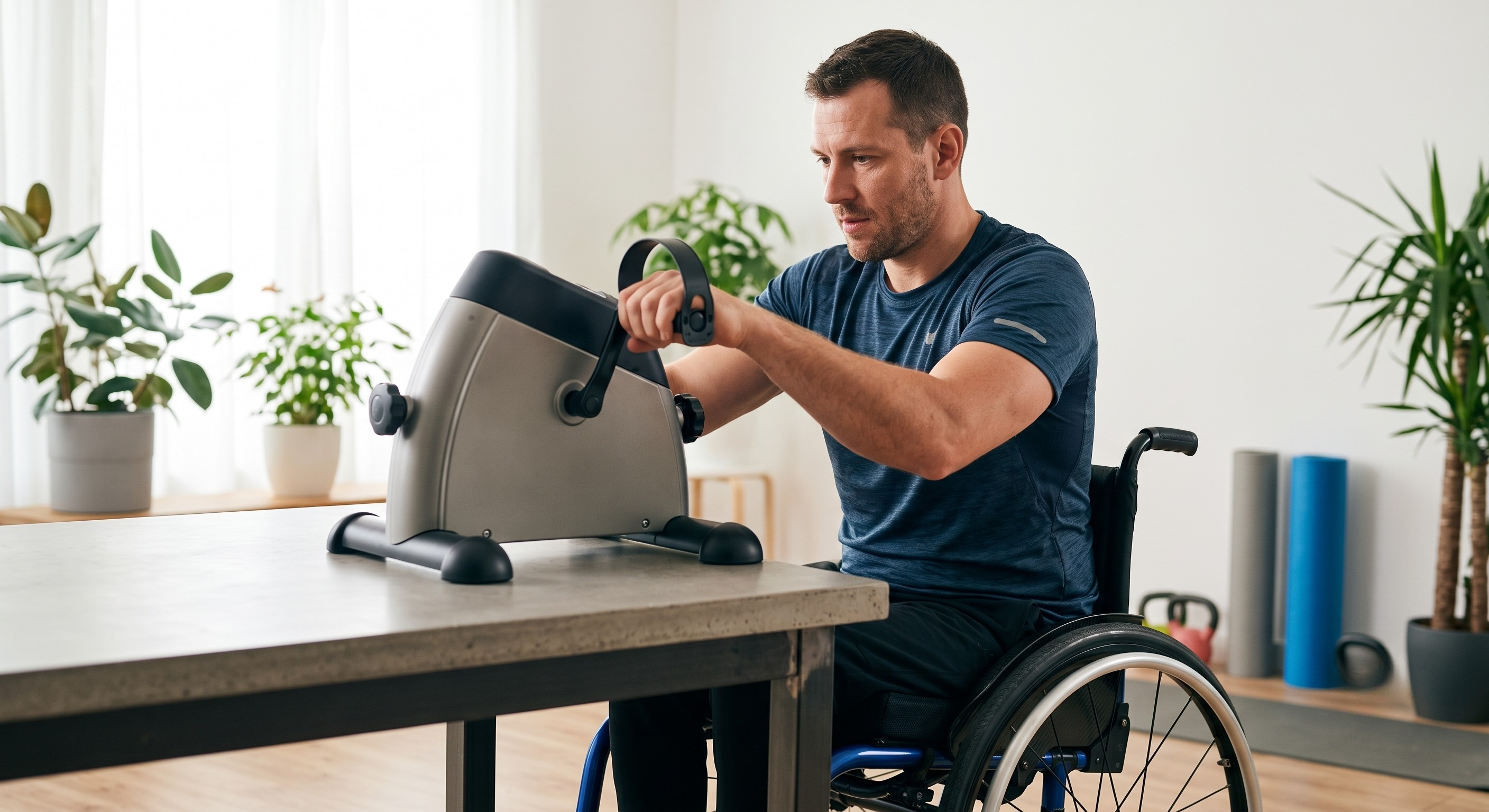
Managing Spasticity and Nerve Pain: Everyday Solutions Beyond Medication | Living Spinal
Posted by Living Spinal on Jul 28th 2026
Managing Spasticity and Nerve Pain: Everyday Solutions Beyond Medication
For many individuals living with spinal cord injuries, multiple sclerosis, or other neurological conditions, the most challenging symptoms are often the invisible ones. Spasticity (involuntary muscle tightness and spasms) and neuropathic pain (nerve pain often described as burning or tingling) can dictate your energy levels, sleep quality, and daily comfort.
While pharmaceutical options like muscle relaxants and nerve pain medications play a vital role, they often come with side effects like severe fatigue or brain fog. Building a holistic, everyday toolkit to manage these symptoms outside of the pill bottle is crucial for your long-term quality of life.
Here are highly effective, everyday strategies and equipment solutions to help manage spasticity and nerve pain.
1. The Power of Weight-Bearing: Standing Therapy
When you sit in a wheelchair full-time, your hip flexors, hamstrings, and calves are in a constantly shortened state. This continuous contraction feeds the neurological loop that causes spasticity.
-
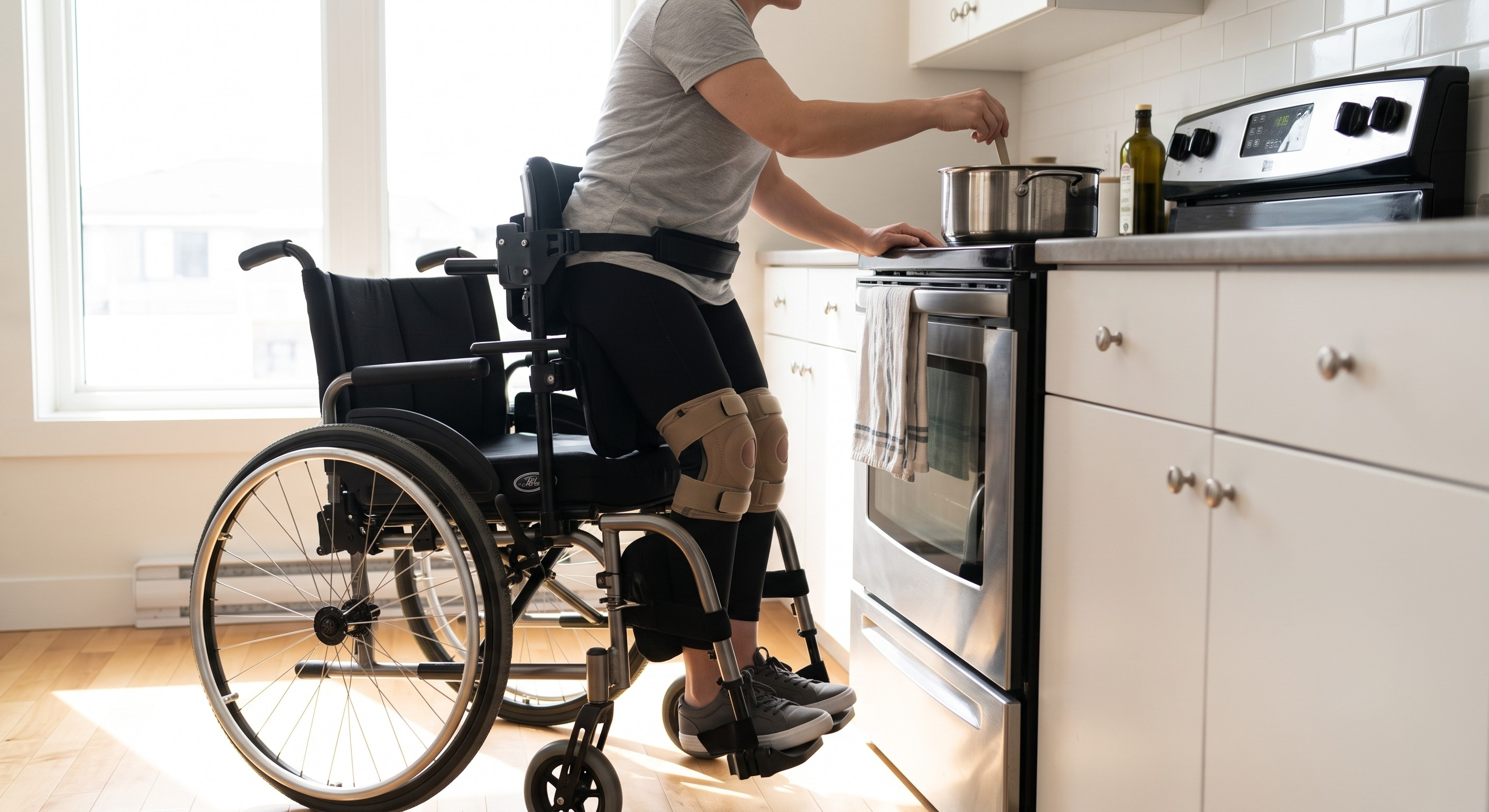
Interrupting the Loop: Passive standing is one of the most effective, non-pharmaceutical ways to reduce muscle tone and spasms. By bearing weight through your legs and fully extending your hips and knees, you give your muscles a prolonged, deep stretch that seated exercises simply cannot match.
-
The Equipment: You don't have to rely on a clinical physical therapy environment to get these benefits. Integrating a standing frame or a
Manual Standing Wheelchair
2. Perfecting Your Seating and Posture
Nerve pain is notoriously tricky, but it is frequently exacerbated by physical compression or poor alignment. If your pelvis is tilted awkwardly or your spine is slouching, you may be putting unnecessary physical pressure on already hyper-sensitive nerves.
-
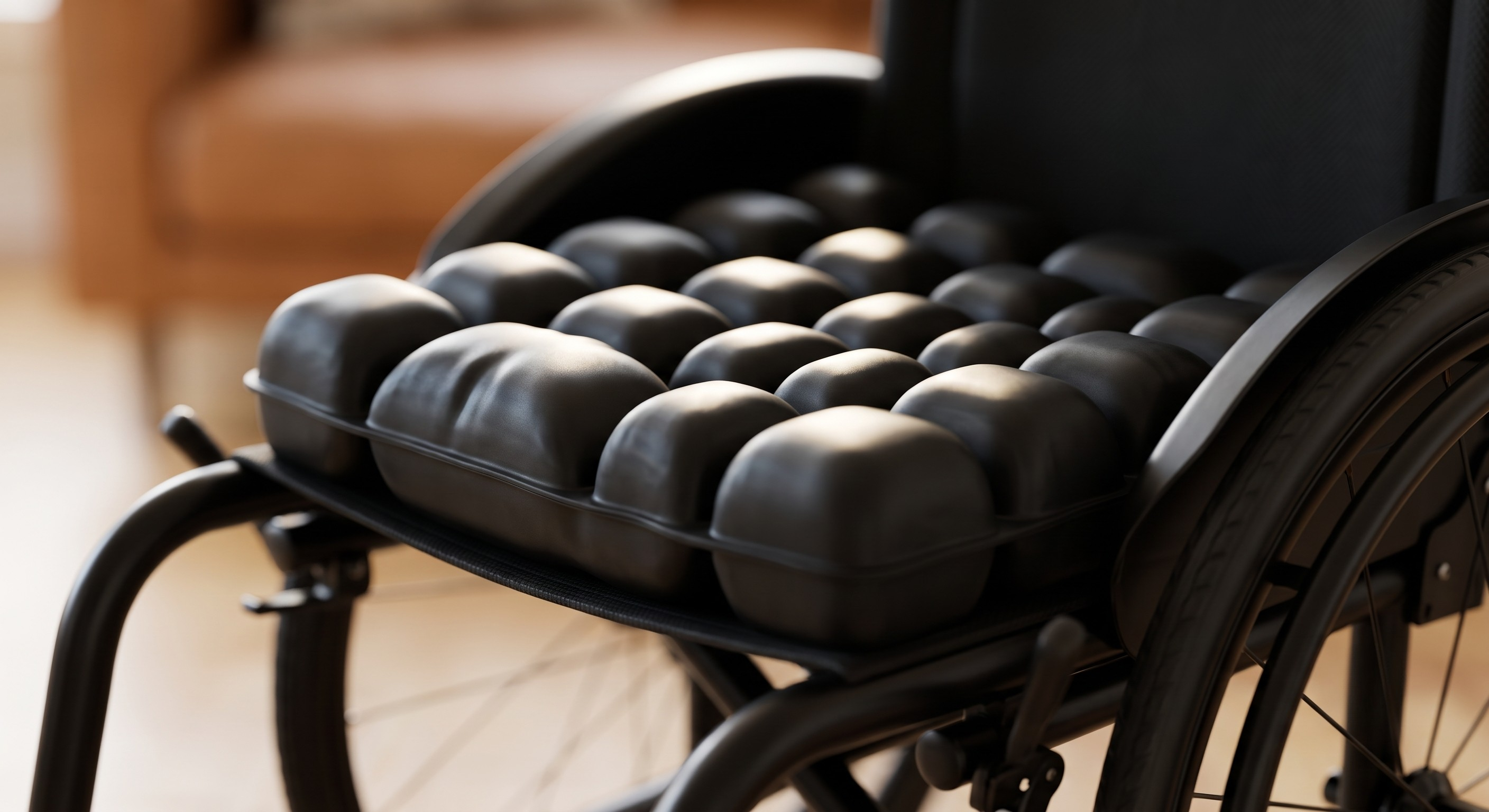
Evaluate Your Cushion: If your wheelchair cushion has bottomed out or isn't properly contoured, it can cause severe referred nerve pain down your legs or into your lower back. Upgrading to a high-profile air or gel cushion ensures optimal pressure distribution.
-
Support the Spine: A rigid backrest is just as important as your seat cushion. It stabilizes the pelvis and stops the "sacral sitting" (slouching) posture that pinches nerves.
-
The Upgrade: Explore the full range of
Seat Cushions & Backrests
3. Daily Range of Motion (ROM) and Active Exercise
Motion is lotion. When muscles are left stagnant, spasticity tends to grip tighter. Incorporating a daily movement routine is essential for flushing out stiffness and keeping the joints mobile.
-
Passive ROM: If you do not have voluntary movement in your legs, gently moving your joints through their full range of motion (or having a caregiver assist) can temporarily calm the nervous system and reduce the frequency of spasms.
-
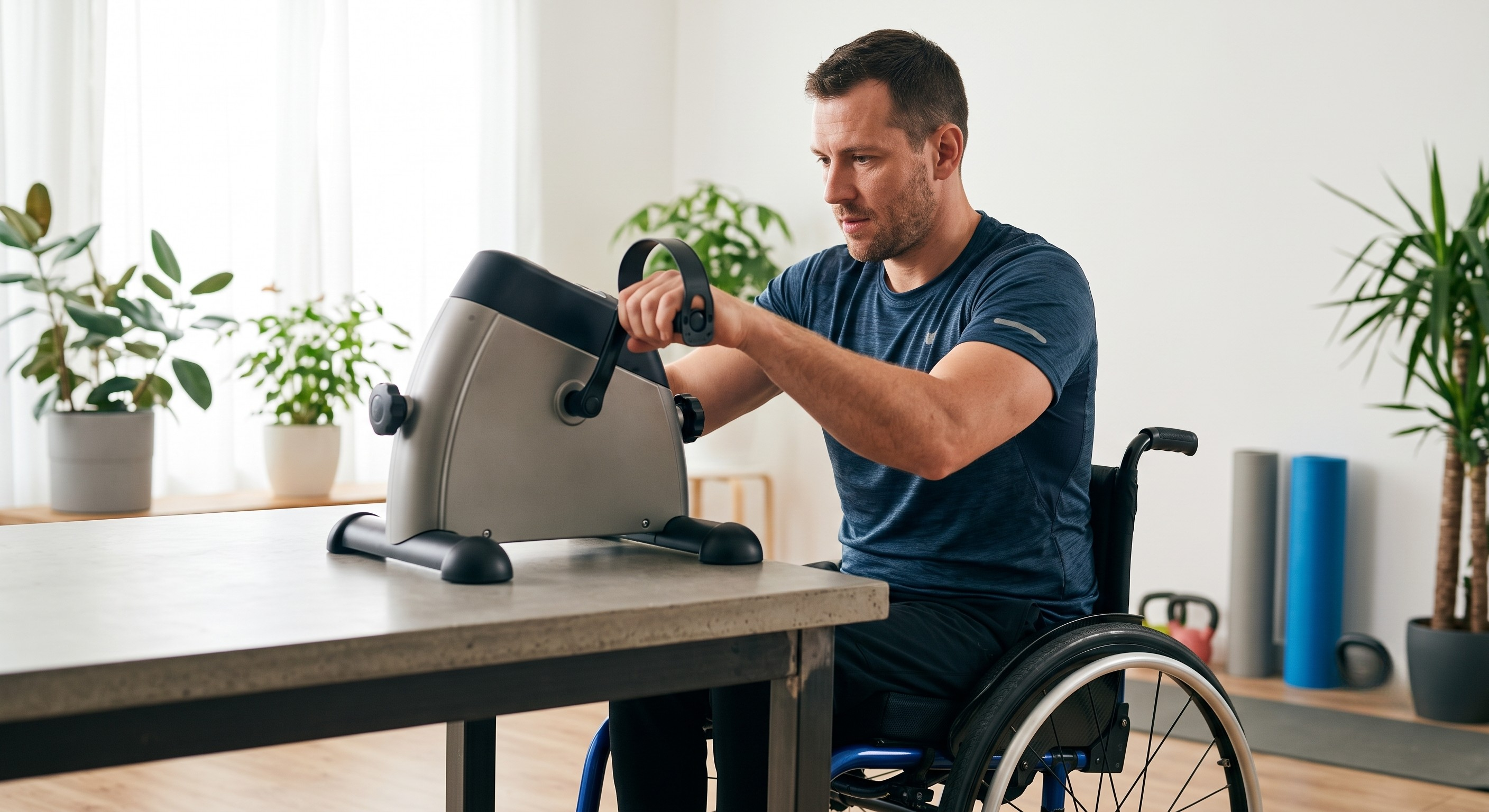
Active-Assisted Equipment: For upper body nerve pain or mild lower body spasticity, consistent, low-impact exercise can release endorphins, which are the body's natural painkillers. Specialized
Wheelchair Exercise Equipment
4. Temperature Therapy: Heat and Cold
Never underestimate the power of basic temperature therapy for localized relief.
-
Heat for Spasticity: Warmth increases blood flow and helps muscles relax. Applying a heating pad to tight hamstrings or a stiff lower back before performing your stretches can make the muscles far more pliable and reduce the "catch" of a spasm. (Safety Note: If you have decreased sensation, always use a timer, multiple layers of fabric, and visually inspect your skin to prevent burns.)
-
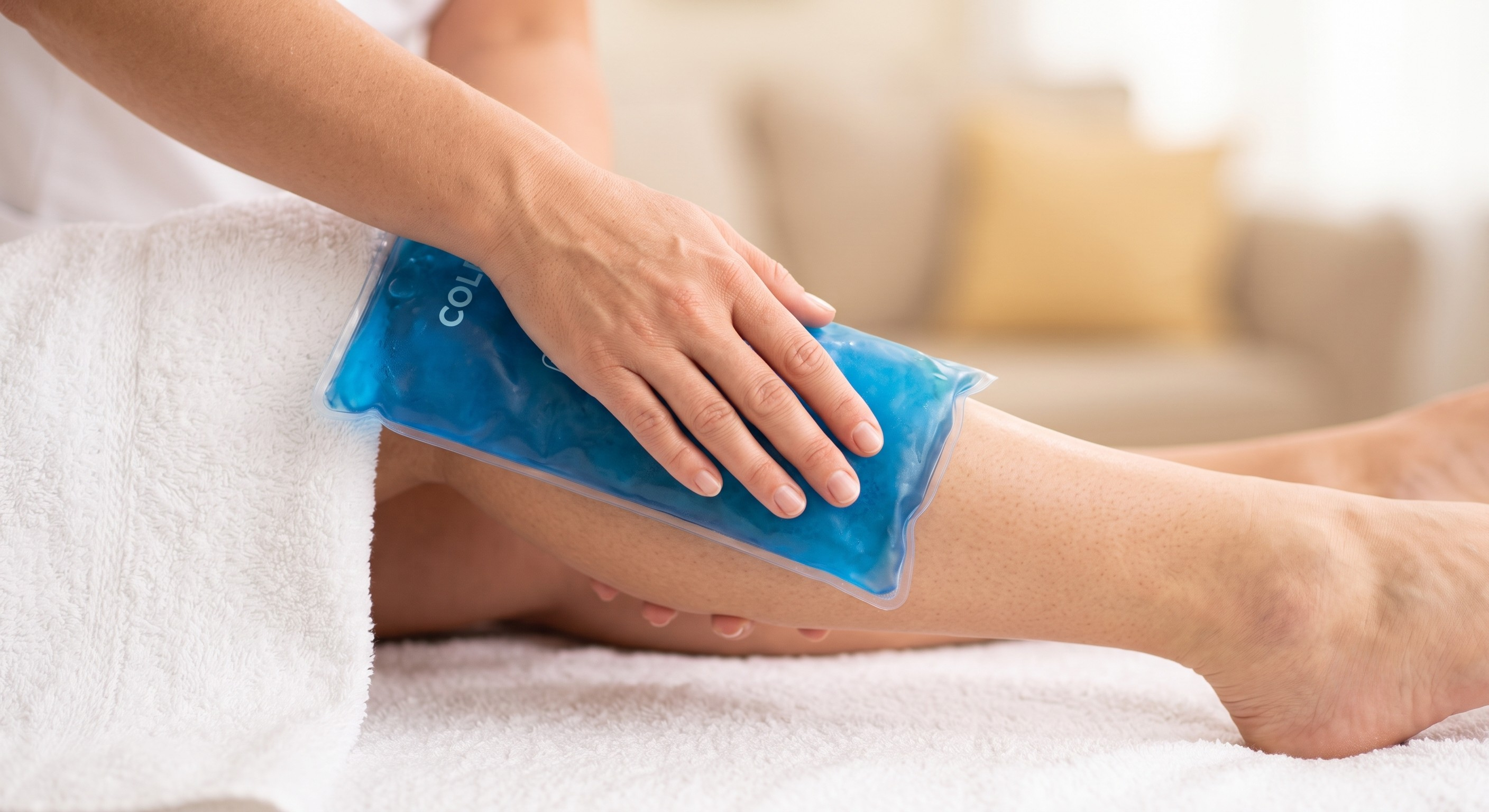
Cold for Nerve Pain: While heat relaxes muscles, cold therapy is often more effective for the sharp, burning sensation of neuropathic pain. Ice packs can numb the localized area and slow the transmission of pain signals to the brain.
5. Prioritize Sleep Hygiene
Spasticity and nerve pain often flare up at night, creating a vicious cycle: pain disrupts your sleep, and lack of sleep makes your central nervous system more sensitive to pain the next day.
-
Positioning: Use strategic pillow placement to keep your limbs in a neutral position. A pillow between the knees can prevent hip rotation that triggers spasms.

-
Weighted Blankets: Many individuals with SCI report that the deep pressure stimulation of a weighted blanket helps calm their nervous system and reduce involuntary leg jumps during the night.
Final Thoughts
Managing spasticity and nerve pain is rarely about finding a single "cure." It’s about stacking small, healthy habits—like proper wheelchair seating, daily standing, and consistent stretching—to regain control over your body.
Disclaimer: I am an AI, not a doctor. Always consult with your physiatrist or physical therapist before making significant changes to your medical equipment, starting a new exercise regimen, or altering your pain management protocol.