

How to Transport a Power Wheelchair | Living Spinal
Posted by Living Spinal on Dec 1st 2025
How to Transport a Power Wheelchair
Transporting a power wheelchair can seem daunting due to its size and weight, but with the right equipment and techniques, it can be a safe and manageable task. This guide will explore the most common and effective methods for transporting a power wheelchair, ensuring both the chair and its user can travel securely.
Understanding Your Power Wheelchair
Power wheelchairs vary significantly in size, weight, and features. Before deciding on a transport method, it's crucial to know:
-
Weight: This is the most critical factor, as it dictates the capacity needed for lifts or ramps. Check your user manual for the exact weight.
-
Dimensions: Length, width, and height will determine if it fits into a vehicle or onto a platform.
-
Foldability/Disassembly: Some power chairs can be folded or partially disassembled, making them easier to transport inside certain vehicles.
Primary Methods for Transporting a Power Wheelchair
There are two main categories for transporting power wheelchairs: outside the vehicle (using a lift or trailer) or inside the vehicle (using a ramp or internal lift).
1. External Vehicle Lifts and Ramps
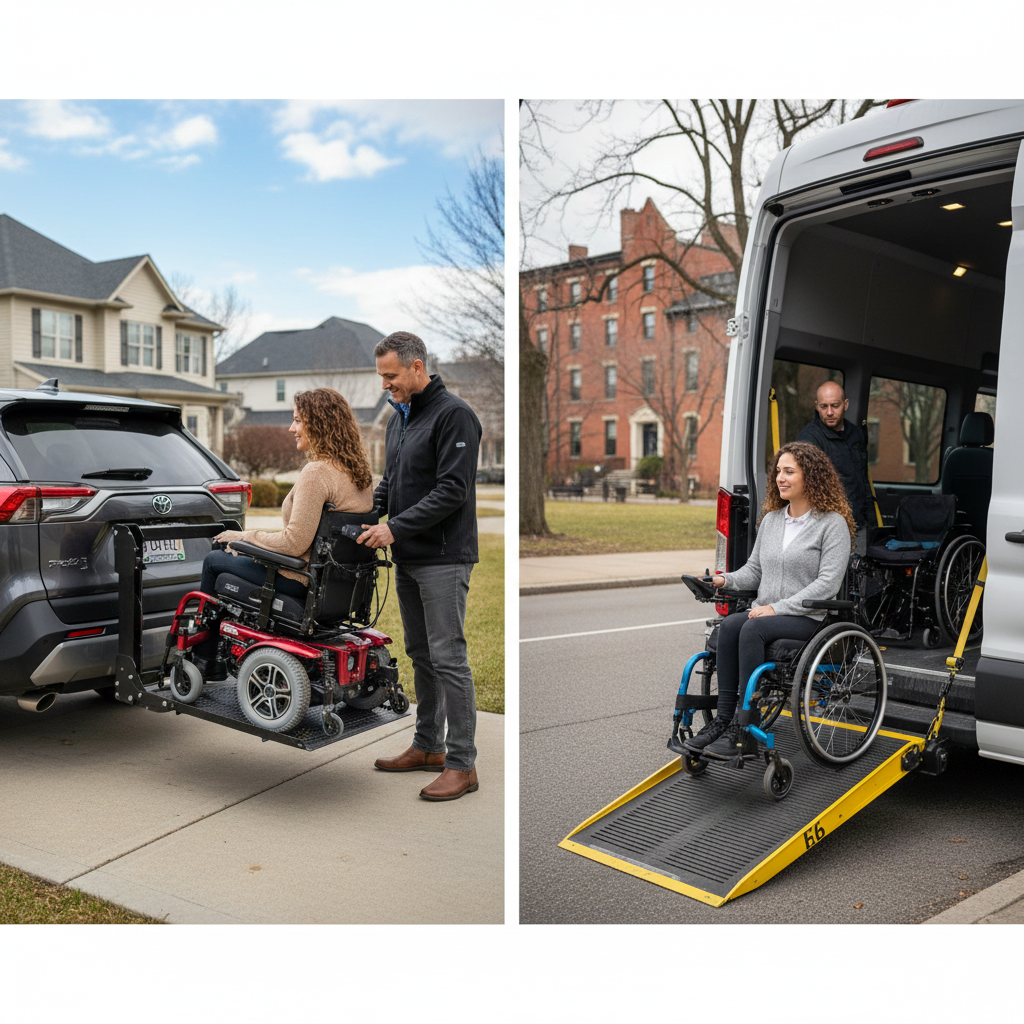
External vehicle lifts are among the most popular solutions for power wheelchairs, especially for those that are non-folding or particularly heavy. These devices attach to the hitch of your vehicle and use a platform to raise and secure the wheelchair.
Types of External Lifts:
-
Platform Lifts: These feature a flat platform on which the wheelchair is driven or rolled. The platform then raises the chair vertically and secures it behind the vehicle.
-
Hitch-Mounted Ramps: While not strictly "lifts," these are robust ramps that attach to a vehicle's hitch, allowing the wheelchair to be driven up onto a rear platform. They are generally more affordable but require the user or assistant to manoeuvre the chair manually.
Explore a wide range of
Benefits of External Lifts:
-
Maintains Passenger Space: The wheelchair is transported outside, preserving interior seating and cargo space.
-
Easy to Use: Many modern lifts are push-button operated, requiring minimal physical effort.
-
High Weight Capacity: Designed to handle the weight of most power wheelchairs.
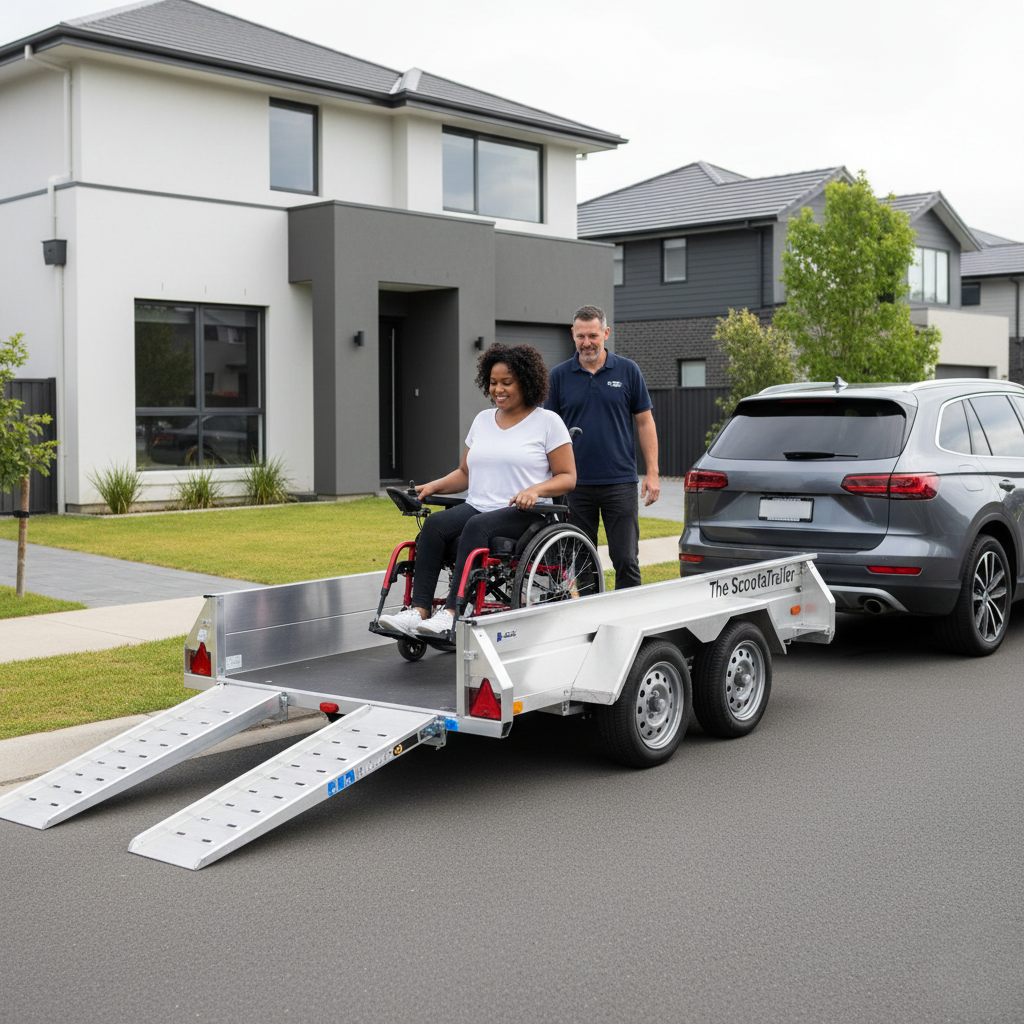
2. Wheelchair Trailers
For very large power wheelchairs, scooters, or when you need to transport other equipment, a dedicated

Benefits of Trailers:
-
Maximum Capacity: Can transport virtually any power wheelchair, regardless of size or weight.
-
Versatility: Often used for other cargo when the wheelchair isn't being transported.
-
No Vehicle Modifications: Aside from a hitch, no permanent modifications are typically needed for your primary vehicle.
3. Internal Vehicle Lifts and Ramps
For accessible vans or larger SUVs, internal lifts and ramps can be used to load a power wheelchair into the vehicle's interior.
Types of Internal Solutions:
-
In-Vehicle Ramps: Manual or automatic ramps extend from the side or rear of a modified vehicle, allowing the wheelchair to be driven inside.
-
Hoists/Cranes: These motorised devices are installed inside the vehicle (e.g., in the rear cargo area) and lift the power wheelchair into place. They are particularly useful for heavier chairs when the user cannot transfer.
Considerations for Internal Transport:
-
Vehicle Compatibility: Requires a vehicle with sufficient interior space and often specific modifications (e.g., lowered floor vans).
-
Reduced Passenger/Cargo Space: The wheelchair will occupy interior space, potentially reducing room for other passengers or luggage.
-
Tie-Downs: Robust tie-down systems are crucial to secure the wheelchair safely inside the vehicle during transit.
Key Considerations for Safe Transport
Regardless of the method you choose, always remember these important points:
-
Professional Installation: Vehicle lifts and ramps should be installed by qualified professionals to ensure safety and proper function.
-
Secure Tie-Downs: Always use appropriate tie-down straps or locking mechanisms to prevent the wheelchair from shifting during travel.
-
Practice: Familiarise yourself with the loading and unloading process before your first trip.
-
Maintenance: Regularly inspect your lift, ramp, or trailer for wear and tear, and follow manufacturer maintenance guidelines.
By carefully evaluating your power wheelchair, vehicle, and specific needs, you can select the best transport solution to maintain your independence and mobility.