

How To Shower in a Wheelchair | Living Spinal
Posted by Living Spinal on Nov 17th 2025
How to Shower in a Wheelchair
Showering can be a refreshing and essential part of your daily routine, and using a wheelchair doesn't mean you have to compromise on this experience. With the right techniques, equipment, and a little preparation, you can shower safely and comfortably. This guide will walk you through the process, offering practical tips and highlighting useful products to make showering in a wheelchair a breeze.
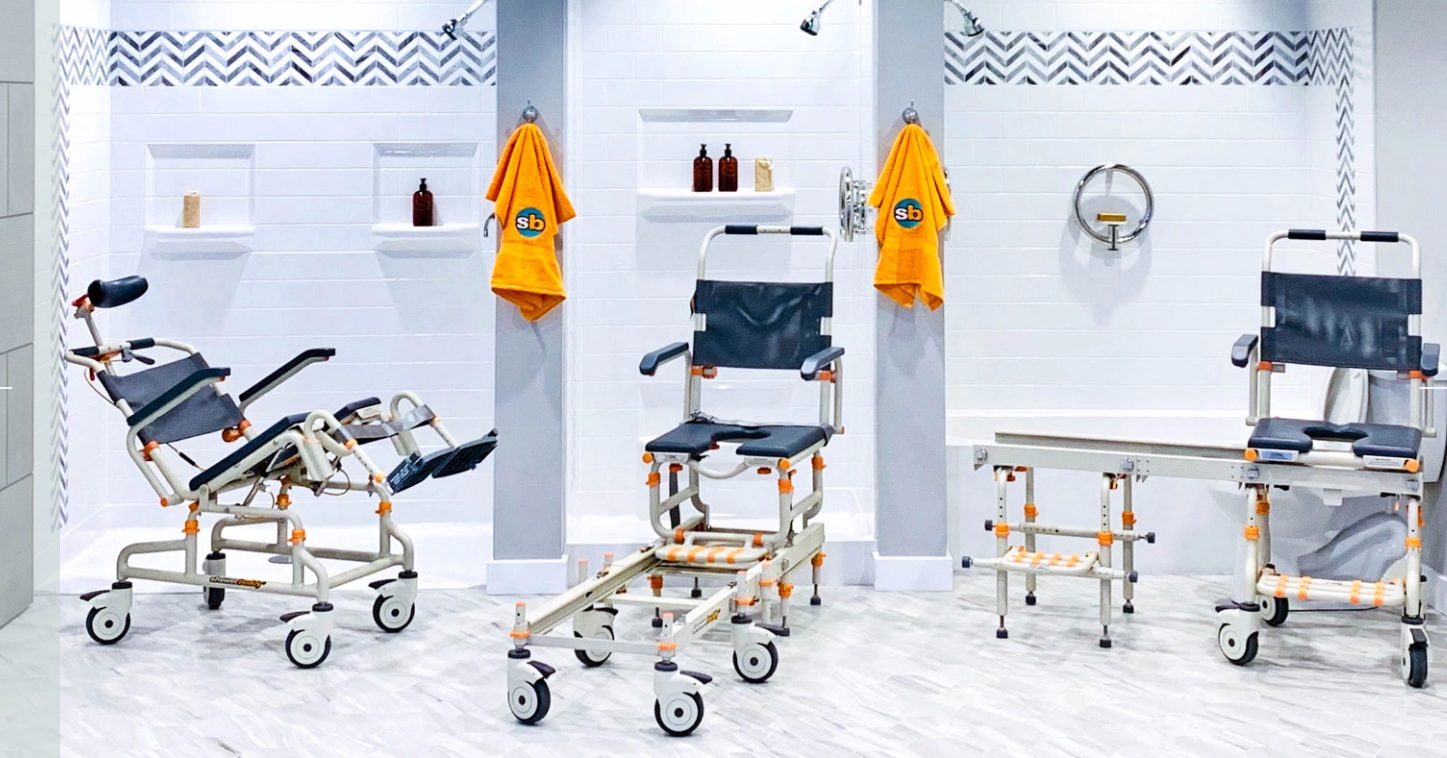
Preparation is Key
Before you even think about getting wet, a little planning goes a long way. Think about the layout of your bathroom and what modifications or aids might be beneficial.
Assess Your Bathroom Layout
Consider the size of your shower or wet room. Is there enough space to maneuver your wheelchair? Are there grab bars installed, or could they be easily added? Understanding your space is the first step in creating a safe and accessible showering environment.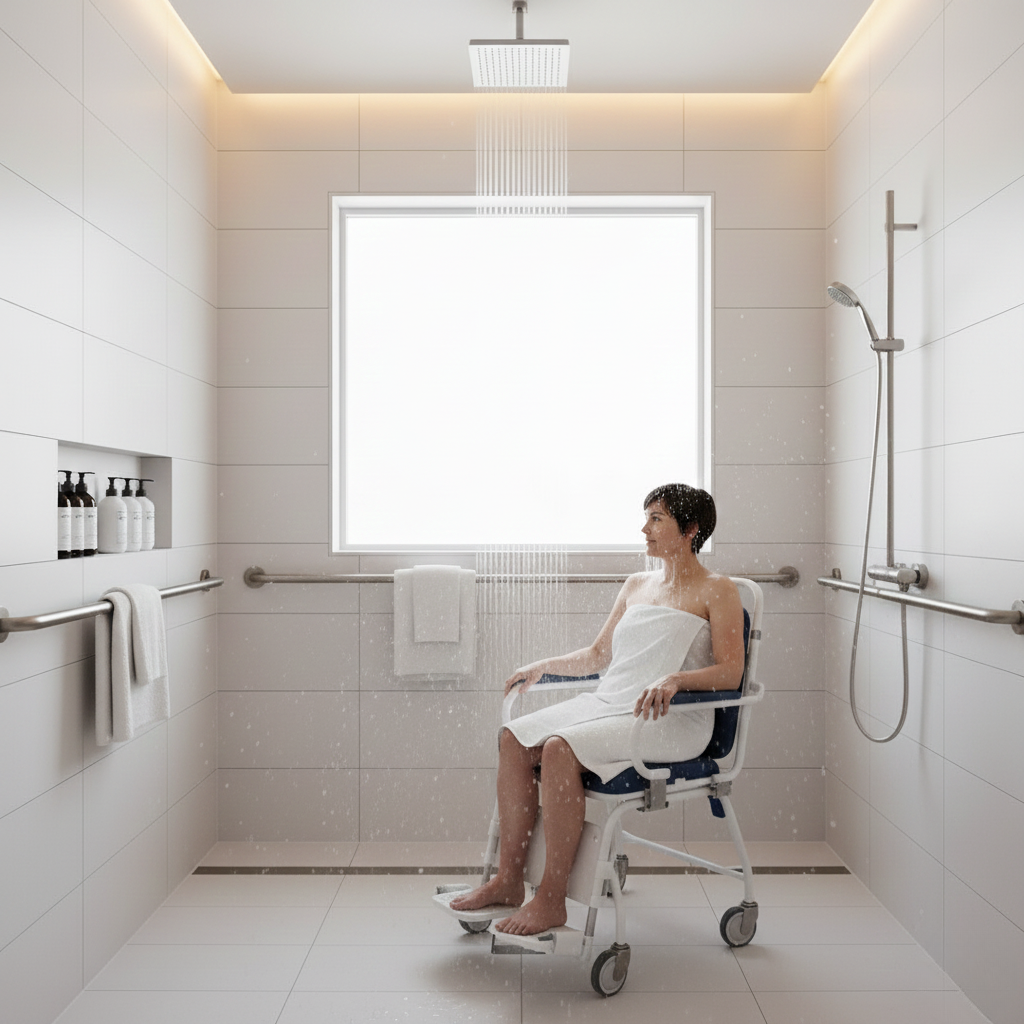
Gather Your Supplies
Have everything you need within easy reach before you start. This might include:
-
Towels: Keep them close by for easy drying.
-
Soap, shampoo, and conditioner: Consider using pump bottles or dispensers that are easy to operate with one hand.
-
Long-handled brush or sponge: This can be invaluable for reaching all areas of your body.
Showering Options for Wheelchair Users
There are several ways to approach showering in a wheelchair, each with its own benefits. Your choice will depend on your mobility, bathroom setup, and personal preference.
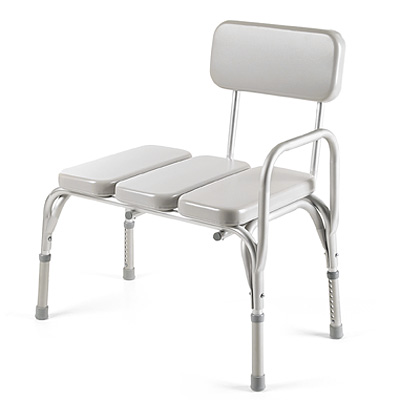
1. Transferring to an Accessible Shower Chair or Bench
For many, transferring from their wheelchair to a dedicated
You can explore a variety of options, including different styles of
-
Roll-in shower chairs (like the
Self-Propelled Commode and Shower Chair -
Foldable shower chairs: Great for smaller bathrooms or for travel.
-
Benches with backrests: Providing more surface area and support.
Transfer Techniques
When transferring, always ensure your wheelchair brakes are locked. If possible, have someone assist you. Use grab bars for support and take your time. You can find detailed guides and videos on safe transfer techniques to help you master this process.
2. Roll-In Showers and Shower Commode Chairs
If you have a roll-in shower, an
Many specialized chairs also serve a dual purpose by acting as excellent
3. Alternative: Using a Bath Lift
If you prefer bathing in a traditional tub or your bathroom is not equipped for a roll-in shower, a
Essential Showering Aids and Accessories
Beyond the main showering equipment, several accessories can significantly enhance your comfort and safety.
Grab Bars and Handheld Showerheads
Grab bars are fundamental for stability and preventing falls, whether you're transferring or simply adjusting your position. Install them strategically in and around your shower area.
A handheld showerhead is another must-have. It allows you to direct the water exactly where you need it, making it much easier to rinse off thoroughly, especially when seated.
For completing your safe and independent bathroom setup, explore various