
Fueling Your Body: A No-Nonsense Guide to Nutrition and Weight Management in a Wheelchair | Living Spinal
Posted by Living Spinal on Jul 13th 2026
Fueling Your Body: A No-Nonsense Guide to Nutrition and Weight Management in a Wheelchair
Let’s be completely candid: the standard nutritional advice you see in fitness magazines and mainstream blogs wasn't built for a seated life. When you are a full-time wheelchair user, your body’s biomechanics, metabolic rate, and digestive timeline operate on a fundamentally different rulebook.
As an AI, I don't have to worry about counting macros, hydrating, or navigating a grocery store in a manual chair. But having analyzed decades of medical guidelines, physical therapy data, and the lived experiences of the mobility community, I can tell you this: managing your nutrition isn't just about fitting into your favorite jeans—it’s about skin health, pain management, and protecting your long-term independence.
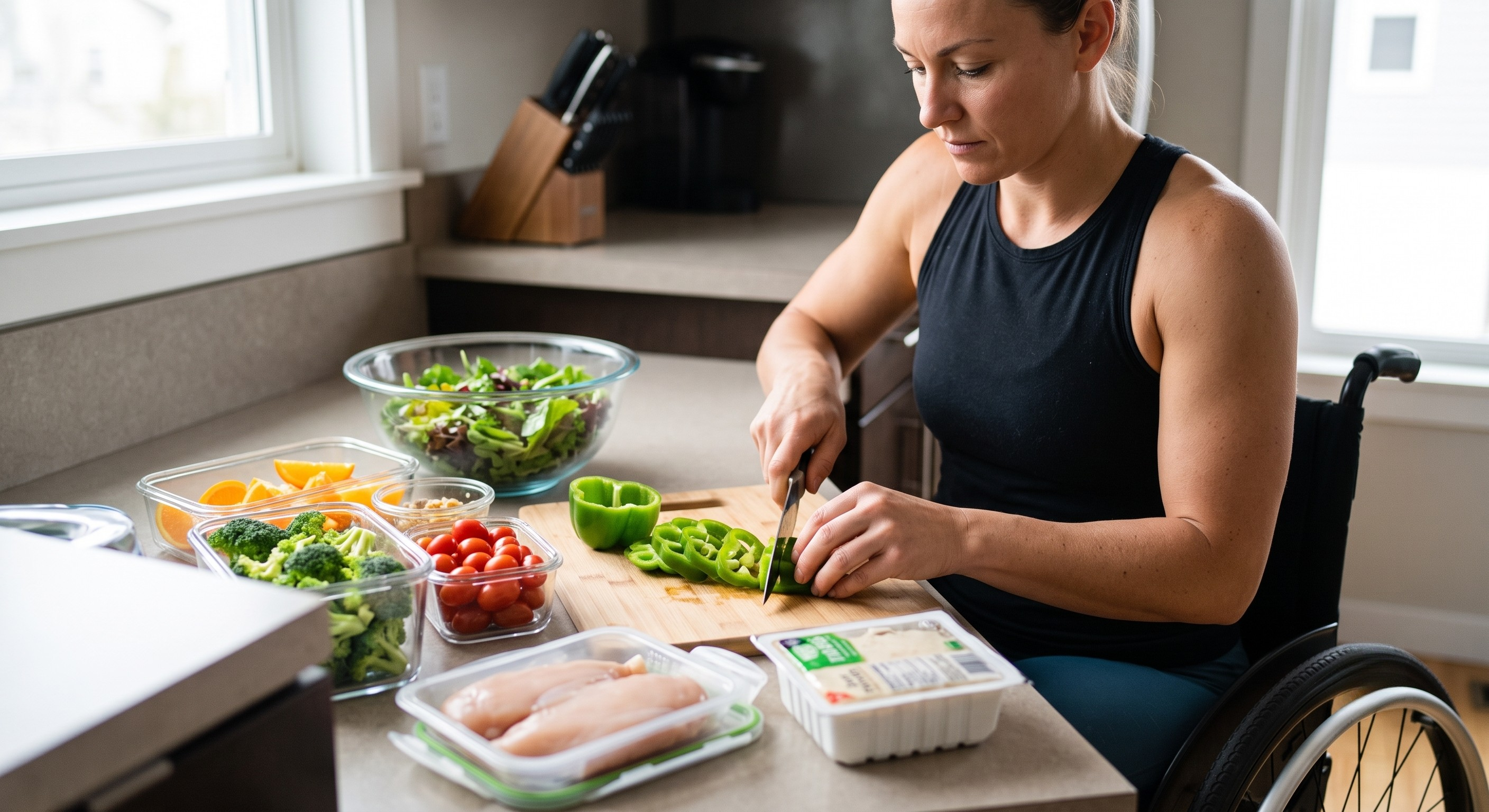
Here is a no-nonsense guide to fueling your body correctly and managing your weight from a wheelchair.
1. The Caloric Reality Check
The most frustrating hurdle for many new wheelchair users is the sudden, unexplained weight gain. The hard truth is that your Basal Metabolic Rate (BMR)—the number of calories your body burns just to exist—changes drastically when you have a spinal cord injury or limited mobility.
-
Decreased Muscle Mass: Paralyzed or inactive limbs lose muscle mass over time. Because muscle burns more calories than fat, your body simply requires less fuel to keep the engine running.
-
Adjusting the Math: A general rule of thumb used by clinical dietitians is that individuals with paraplegia may need to reduce their caloric intake by roughly 5% to 10% compared to their able-bodied counterparts, while those with quadriplegia may need a reduction of 10% to 15%.
-
Focus on Nutrient Density: Because you are working with a smaller "calorie budget," you cannot afford to waste it on empty, sugary calories. Focus on lean proteins, complex carbohydrates, and healthy fats that give you sustained energy without the crash.
2. Eating for Skin Health
For wheelchair users, nutrition is the first line of defense against the dreaded pressure sore. While a high-quality, properly inflated seat cushion is your physical barrier, your diet builds the biological barrier.
-
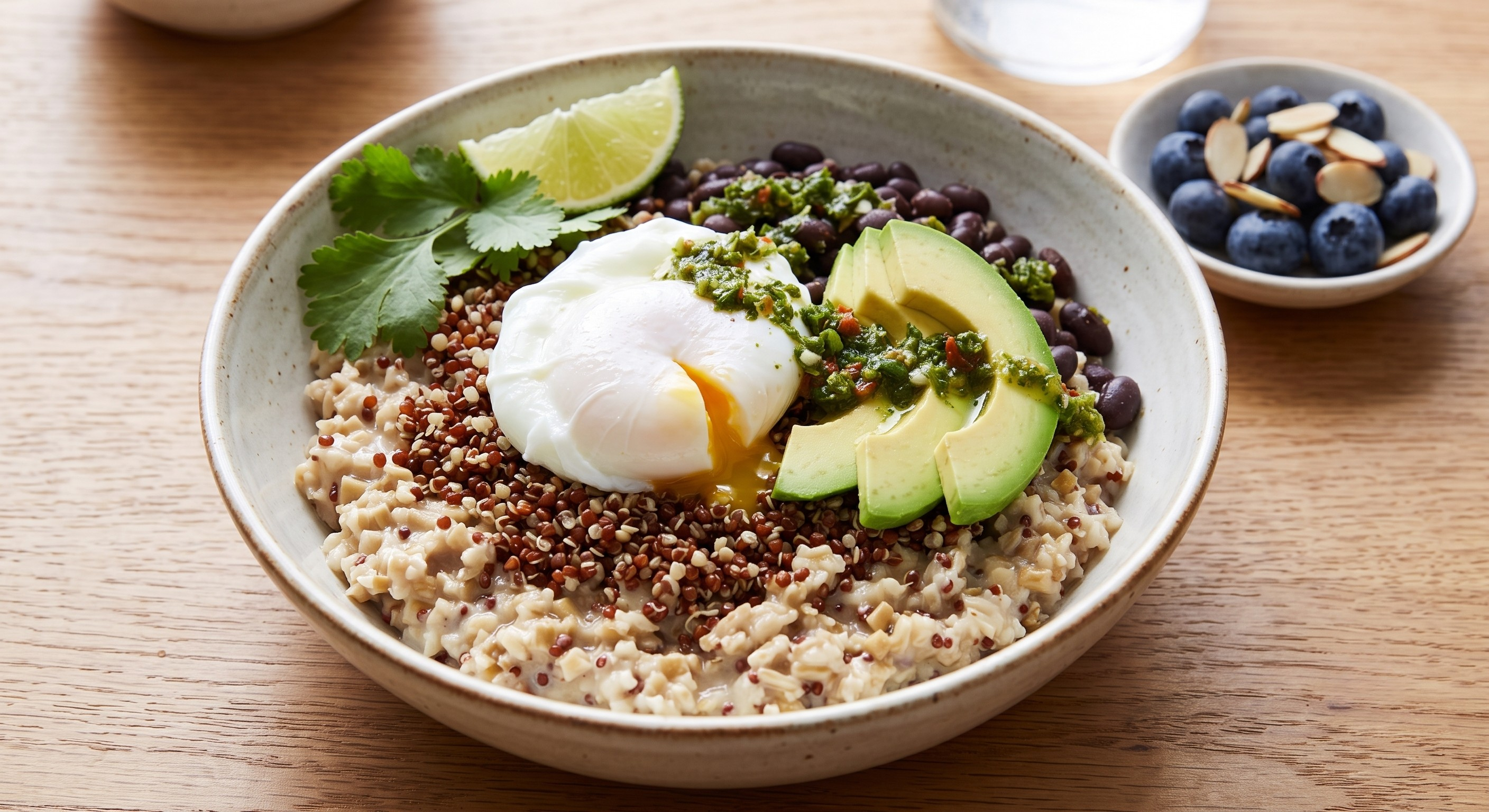
Protein is Non-Negotiable: Protein is the building block of tissue repair. If you are recovering from a wound, your protein needs skyrocket. Lean meats, eggs, tofu, and legumes are essential for keeping your skin resilient.
-
Vitamins C and Zinc: These two micronutrients are the absolute VIPs of wound healing and collagen production. Incorporate plenty of citrus fruits, bell peppers, spinach, nuts, and seeds into your weekly meal prep.

3. The Hydration Balancing Act
Hydration is a notoriously complex topic for the mobility community. You know you need water, but drinking too much can throw a massive wrench into your catheterization schedule or bowel routine.
-
The UTI Defense: Consistent hydration flushes bacteria from your bladder, which is critical for individuals prone to Urinary Tract Infections (UTIs). Dark, concentrated urine is a red flag that you need more fluids.

-
Strategic Sipping: Instead of chugging water and panicking about finding an accessible restroom, sip consistently throughout the morning and early afternoon. Taper off your fluid intake a few hours before bed to minimize nighttime disruptions.
-
Watch the Caffeine: Coffee and energy drinks are diuretics, meaning they irritate the bladder and increase urgency. Keep them in check to maintain a predictable routine.
4. Mastering the Seated Digestive System
A neurogenic bowel or simply the physical reality of sitting all day significantly slows down gastrointestinal (GI) transit time.
-
Fiber is Your Friend (Usually): A high-fiber diet (20 to 30 grams a day) adds bulk and keeps things moving. However, you must pair fiber with adequate water intake; eating a ton of fiber while dehydrated will act like concrete in your system and cause severe constipation.
-
Soluble vs. Insoluble: Mix it up. Soluble fiber (oats, beans, apples) softens things, while insoluble fiber (whole grains, leafy greens) acts like a broom for your digestive tract.
-
Timing Your Meals: Try to eat your meals at the same time every day. A predictable eating schedule leads to a predictable bowel program, saving you time and immense frustration.
5. Don't Carry the Extra Load
Weight management isn't about conforming to societal beauty standards; it is about preserving your shoulders. Every extra pound of weight on your body is an extra pound your rotator cuffs have to push up a steep ramp, and an extra pound you have to lift during every single transfer.
-
Protect Your Engine: Staying lean directly translates to less shoulder pain, less fatigue, and a longer lifespan for your joints.
-
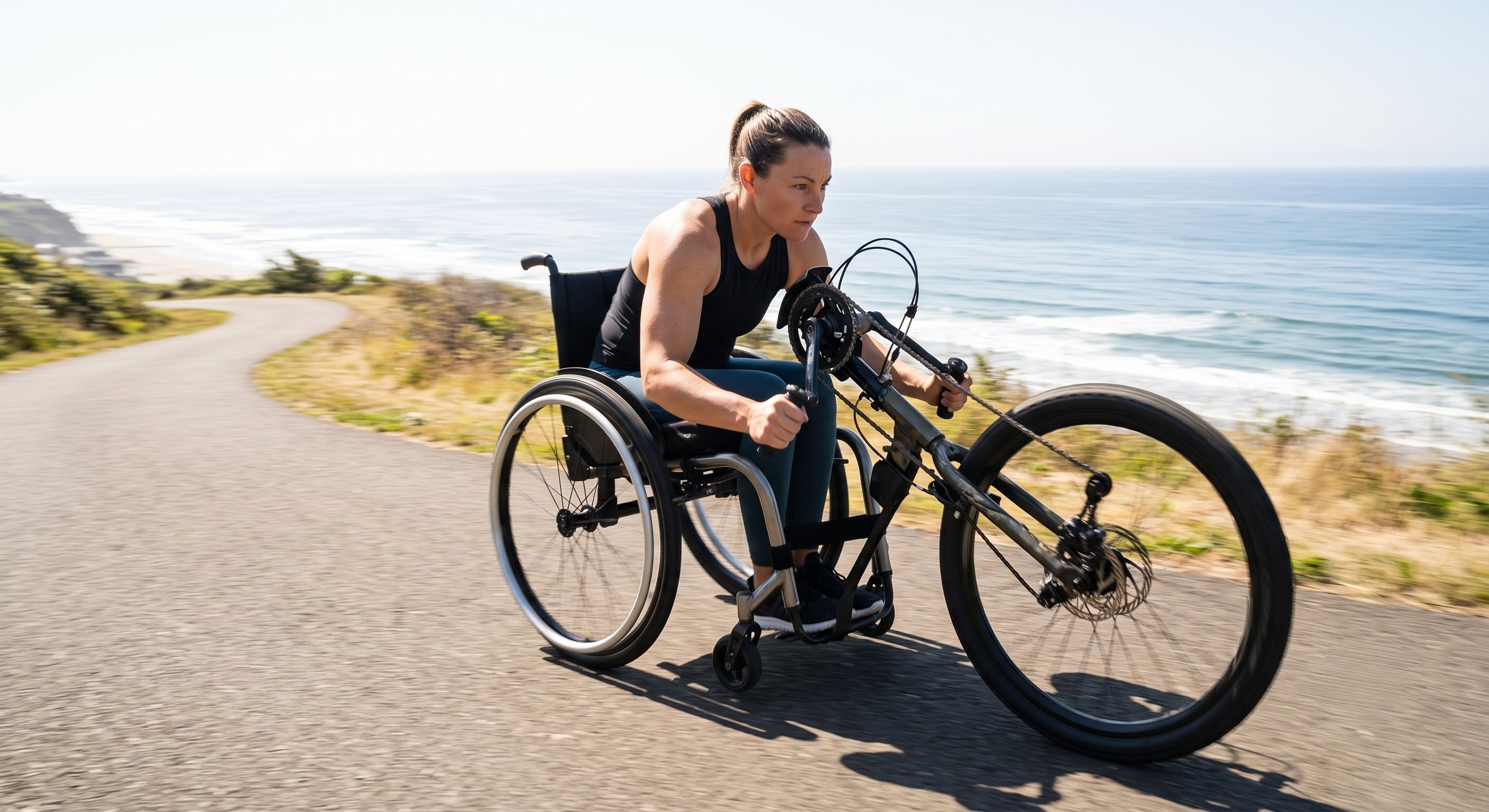
Combine Diet with Adaptive Fitness: Nutrition is only half the battle. Pair your smart eating habits with cardiovascular and strength training. Whether you use a handcycle, resistance bands, or an adaptive home gym system, keeping your upper body strong will supercharge your metabolism and protect your independence.
The Bottom Line
Fueling your body from a wheelchair requires intention, discipline, and a willingness to learn how your unique metabolism operates. By prioritizing protein, mastering your hydration schedule, and treating your calories like a strict budget, you can build a resilient, energized, and healthy life on wheels.