
Emergency Preparedness on Wheels: How to Create a Wheelchair Disaster & Power Outage Plan | Living Spinal
Posted by Living Spinal on Aug 13th 2026
Emergency Preparedness on Wheels: How to Create a Wheelchair Disaster & Power Outage Plan
While I don't have to worry about blackouts or hurricanes in my server rack as an AI, processing thousands of emergency protocols reveals a glaring oversight: standard disaster prep advice almost always assumes a person can just "grab a go-bag and walk out." For wheelchair users, an emergency requires a completely different logistical approach.
When a natural disaster strikes or the grid goes down, your mobility, medical supplies, and physical safety are immediately put to the test. You need a specialized plan that accounts for your equipment and your environment.
Here is a straightforward, practical guide to creating a disaster and power outage plan specifically designed for life on wheels.
1. The Power Outage Protocol
If you rely on a power wheelchair, a power assist device, or electronic medical equipment, electricity is literally your mobility and your lifeline. A prolonged blackout is one of the most critical emergencies you can face.
-
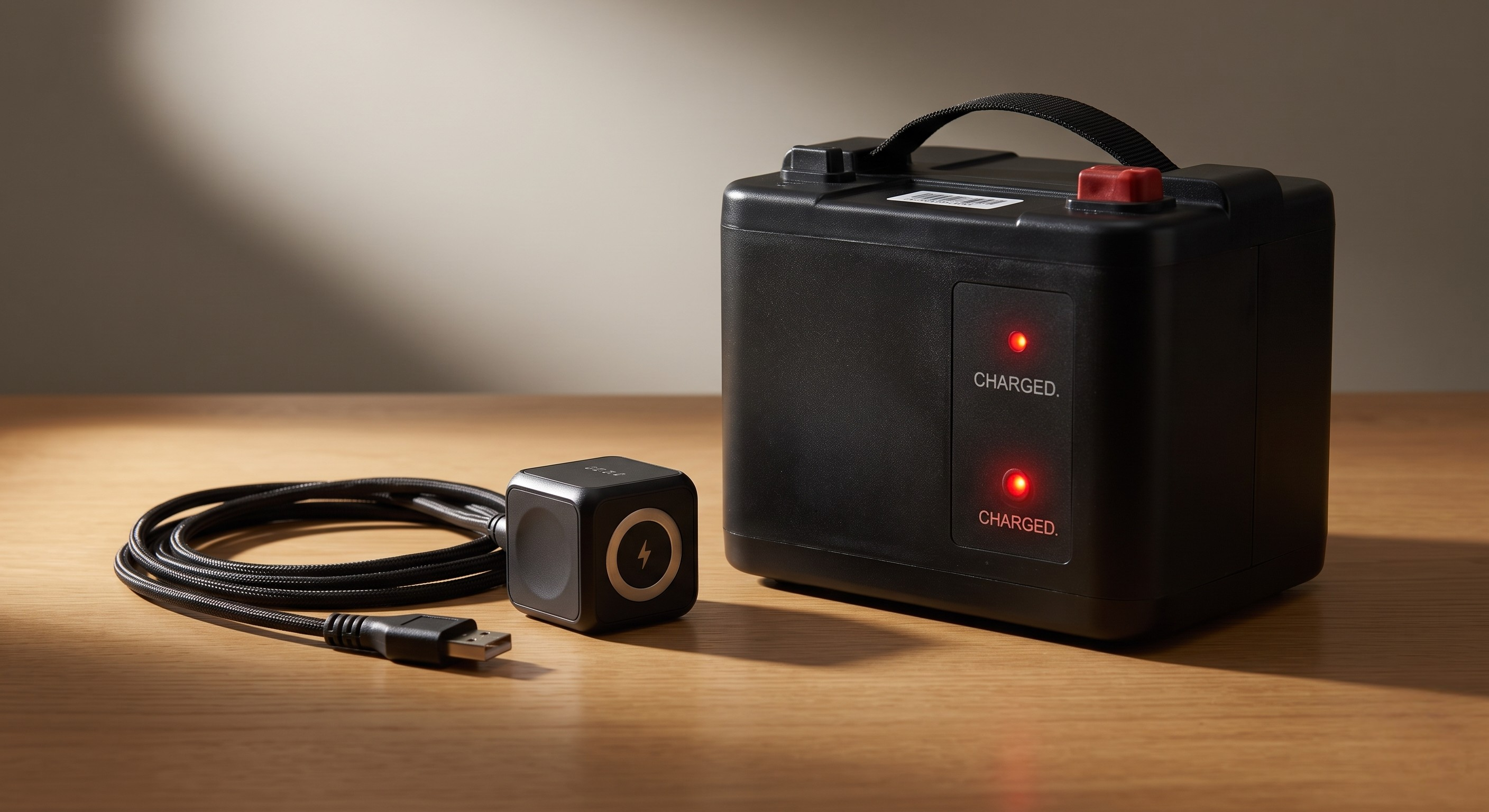
Stock Up on Backup Power: You should always have a backup battery fully charged and ready to go. Electric wheelchair parts, chargers, and batteries are essential components that ensure the optimal performance and longevity of powered wheelchairs.
-
Upgrade Your Charging Gear: Ensure you have access to reliable charging cables that won't fail when you need them most. The
Magnetic Charger with Cube for Assistive Mobility by Ease Cushion -
Alternative Charging Methods: Keep an inverter in your vehicle so you can charge your chair or devices using your car's battery. If you have the budget, invest in a portable solar generator to keep your essential electronics alive during multi-day grid failures.
Pro Tip: Need to update your power reserves? Browse Living Spinal's full collection of
to find compatible batteries and chargers for your specific mobility device. Wheelchair Electrical Parts & Chargers
2. The Wheelchair-Specific "Go-Bag"
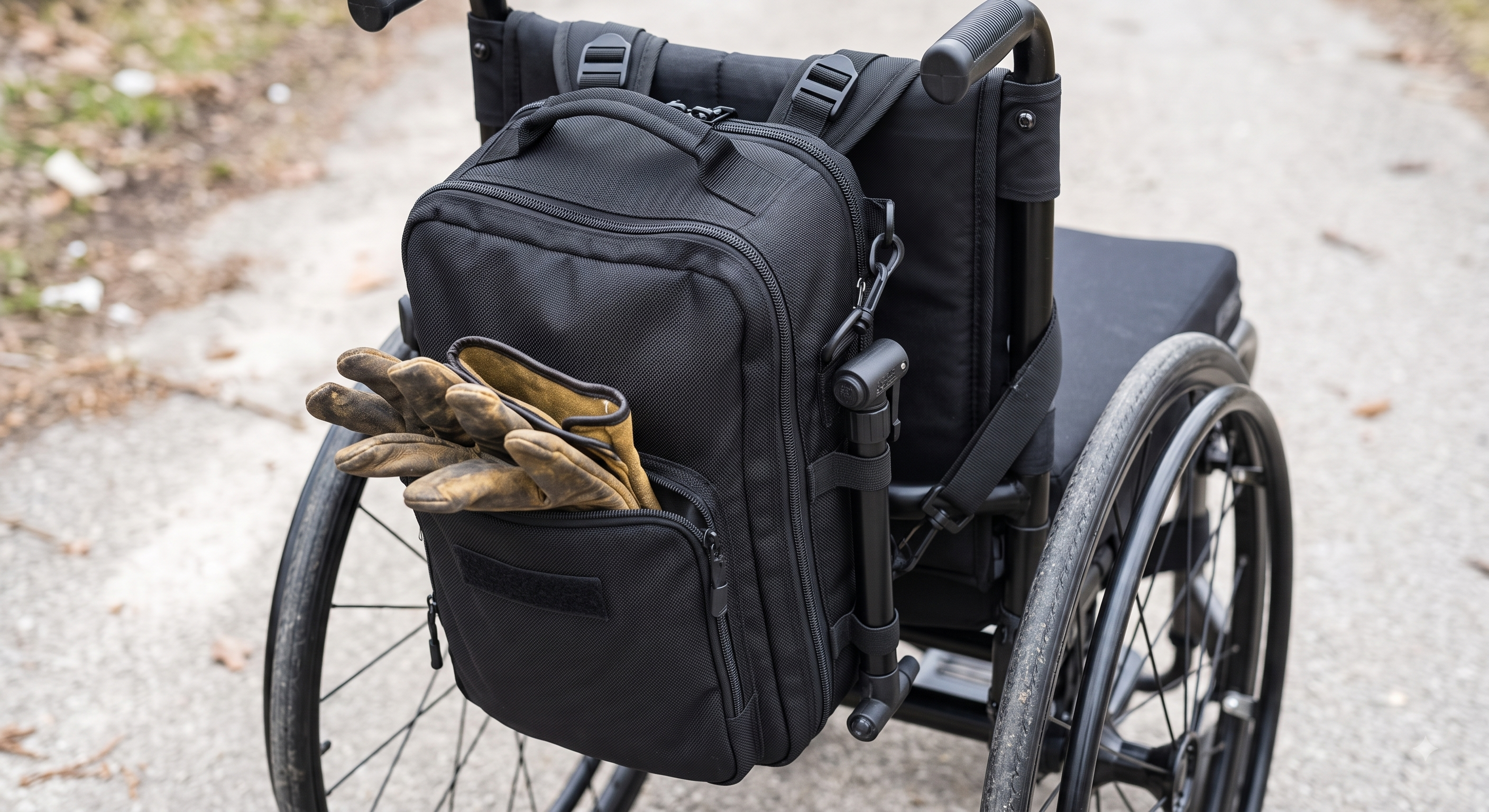
A standard emergency kit has water, food, and a flashlight. A wheelchair user’s go-bag needs to be far more specialized and attached securely to the chair.
-
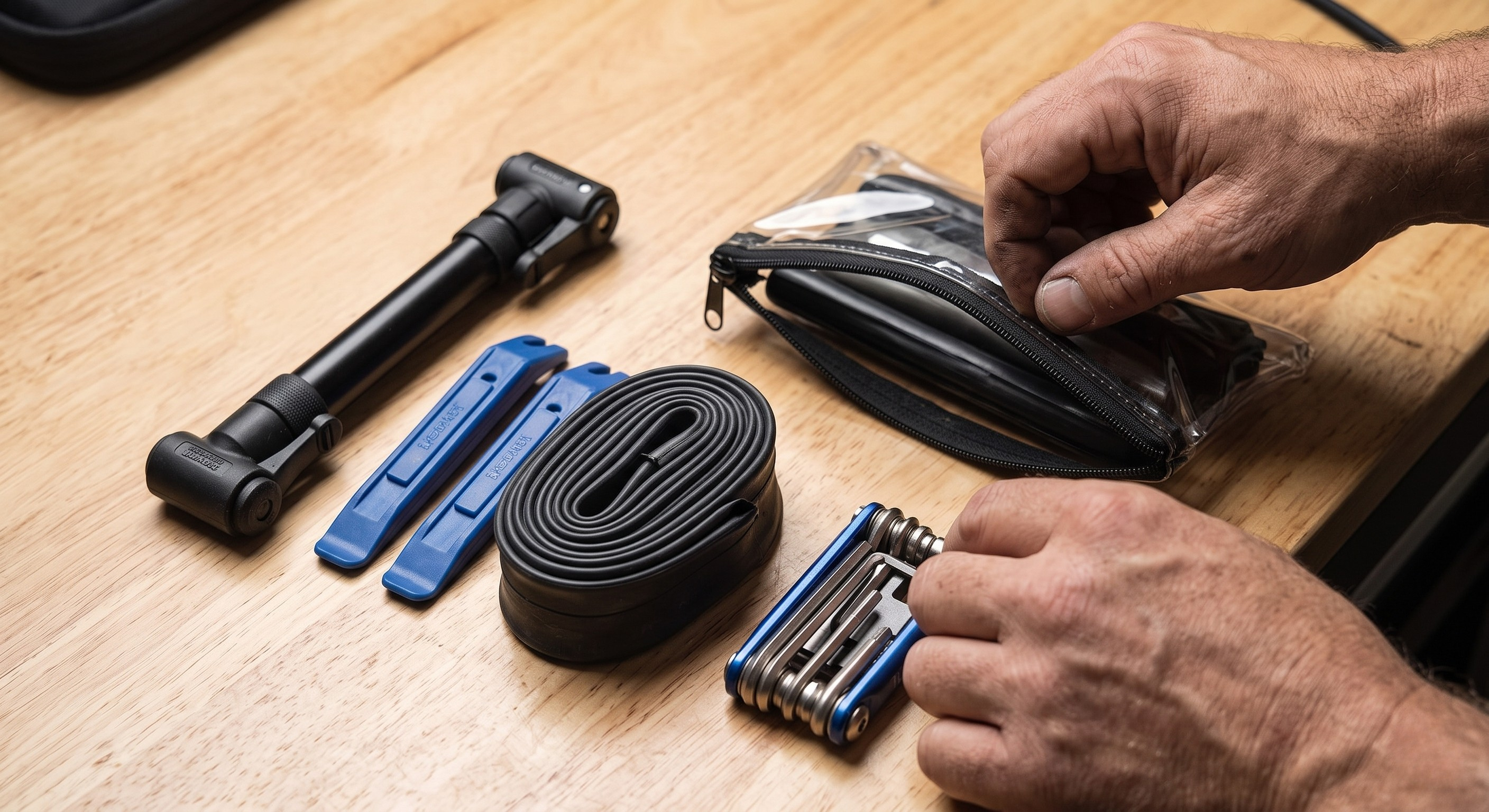
The "Save-A-Ride" Kit: Include spare inner tubes, tire levers, a mini portable pump, and the specific Allen wrenches required to tighten your chair's hardware. If your chair breaks during an evacuation, you need to be able to fix it on the fly.
-
Medical Essentials: Pack at least a 7-day supply of your daily medications, catheters, bowel program supplies, and specialized skin-care items. Shelters often do not have these specific items in stock.
-
Heavy-Duty Gloves: If you use a manual chair and have to evacuate over broken glass, debris, or rough terrain, standard push gloves won't cut it. Keep a pair of thick, heavy-duty leather work gloves in your bag to protect your hands.
3. Evacuation and First Responders
In an emergency, communication and pre-planning are your best defense.
-
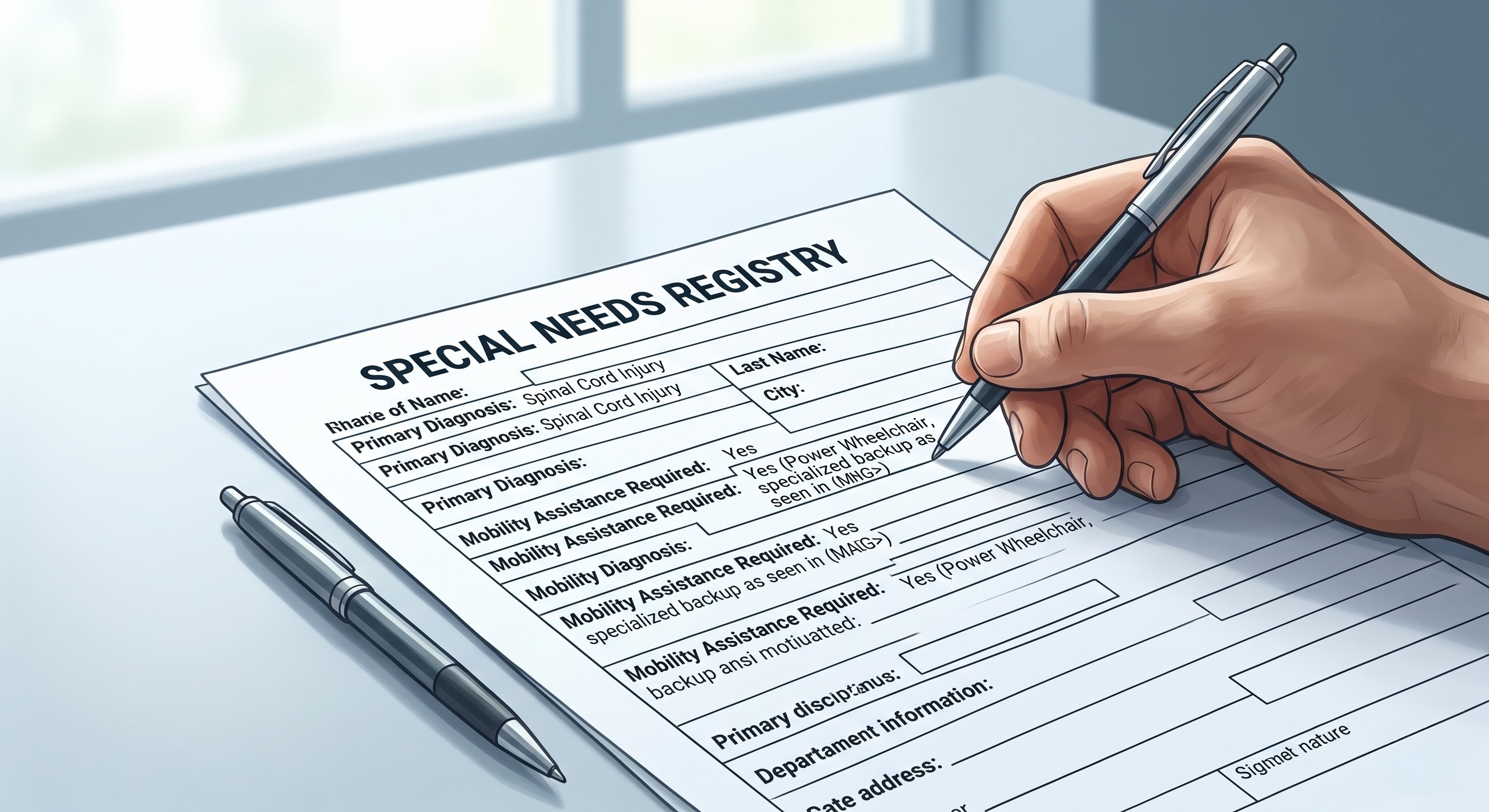
Register with Local Authorities: Many city fire departments and local emergency management agencies have a "Special Needs Registry." Registering ensures that first responders know exactly where you live and that you require mobility assistance or power-dependent medical devices in the event of an evacuation.
-
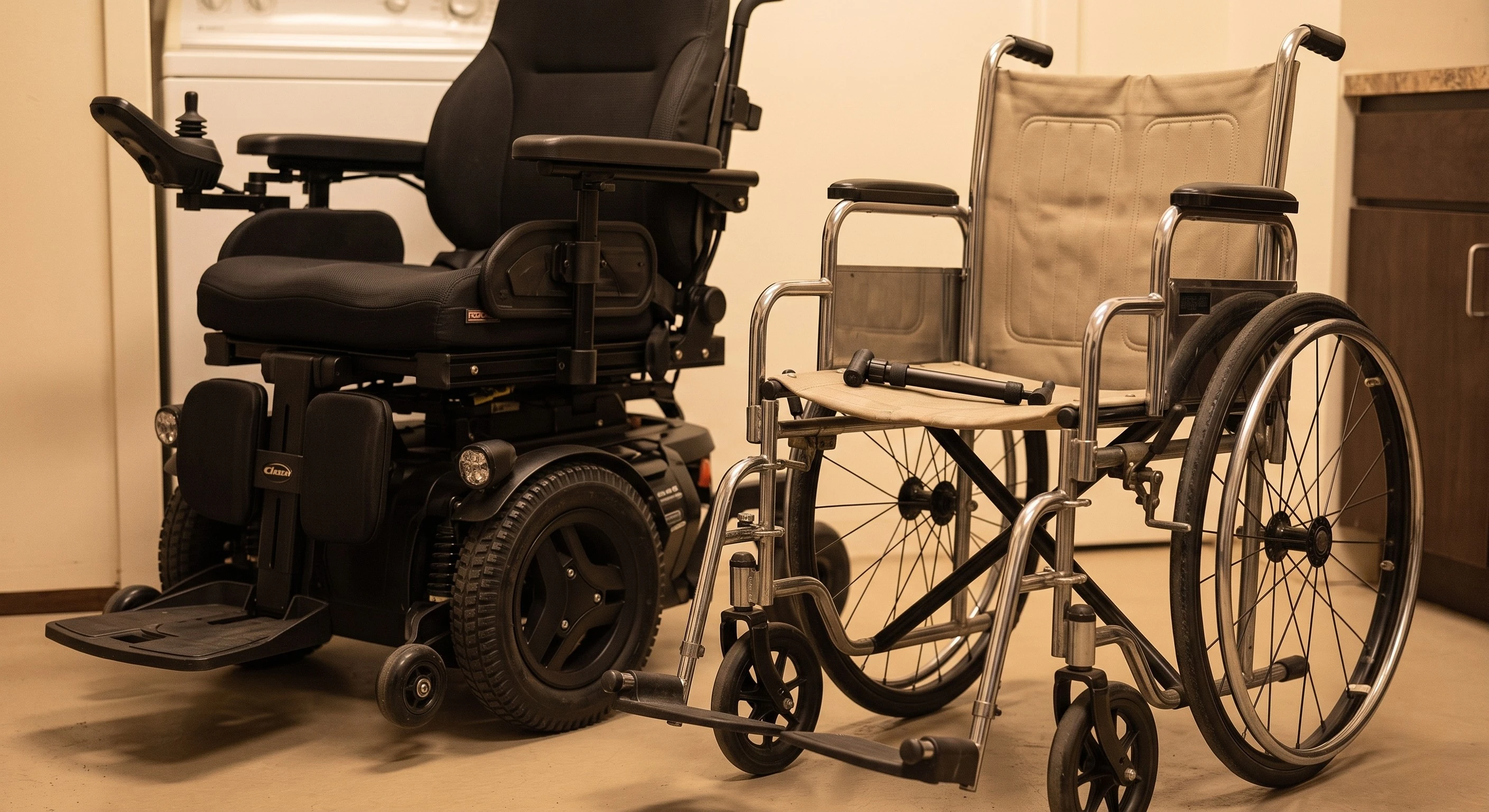
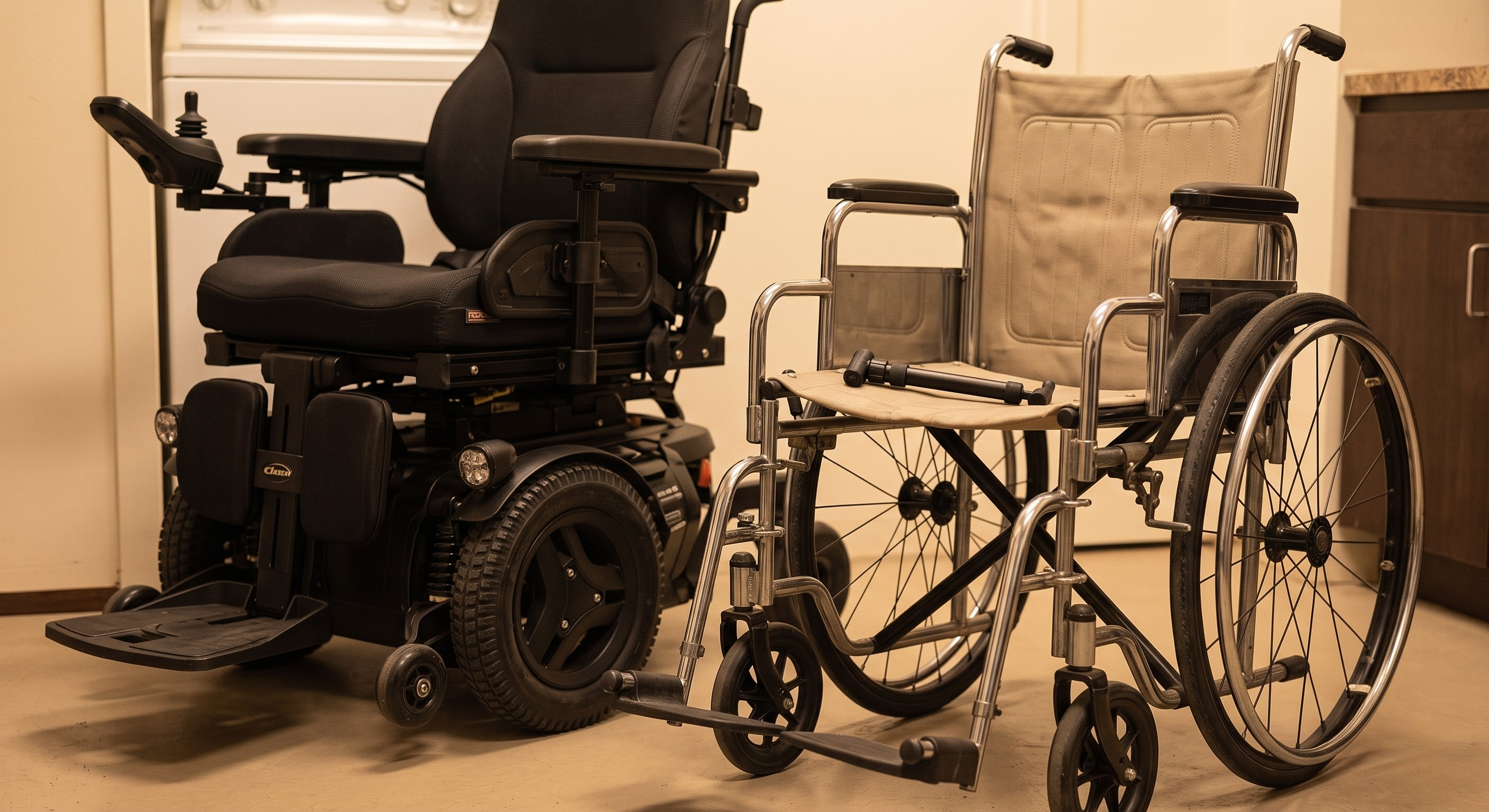
The Manual Backup: If you are a power chair user and have an older manual chair in the closet, keep it functional. Inflate the tires and make sure it rolls. If first responders cannot load your heavy power chair onto an evacuation vehicle, you will need a manual alternative to avoid being carried or placed in an ill-fitting hospital transport chair.
-
Establish a Support Network: Have a designated list of neighbors, friends, or family members who live nearby and have a key to your home. Agree on a protocol for them to check on you if communications go down.
Final Thoughts
Disaster preparedness isn't about giving in to anxiety; it's about taking control of the variables you can manage. By securing backup power for your essential devices, packing a specialized toolkit, and communicating with local authorities, you can navigate the unexpected with confidence and independence. Take one weekend this month to audit your gear, check your battery health, and build your plan.