
Adaptive Sports 101: Finding Your Game and the Gear You Need | Living Spinal
Posted by Living Spinal on Jul 27th 2026
Adaptive Sports 101: Finding Your Game and the Gear You Need
Whether you are newly injured, transitioning from a progressive condition, or simply looking to inject some adrenaline into your routine, adaptive sports offer profound benefits. Beyond the obvious physical cardiovascular health and muscle strengthening, finding your game provides an incredible community, mental resilience, and a renewed sense of competitive freedom.
However, showing up to a wheelchair basketball practice in your everyday manual chair is a quick way to end up on the floor. Adaptive sports require highly specialized gear designed for impact, speed, and extreme agility.
Here is your introductory guide to the world of adaptive sports and the specialized equipment you need to get in the game.
1. Owning the Court: Basketball, Tennis, and Rugby
Court sports are fast, aggressive, and highly strategic. A standard everyday wheelchair is built for narrow doorways and energy conservation; a court chair is built for battle.
-
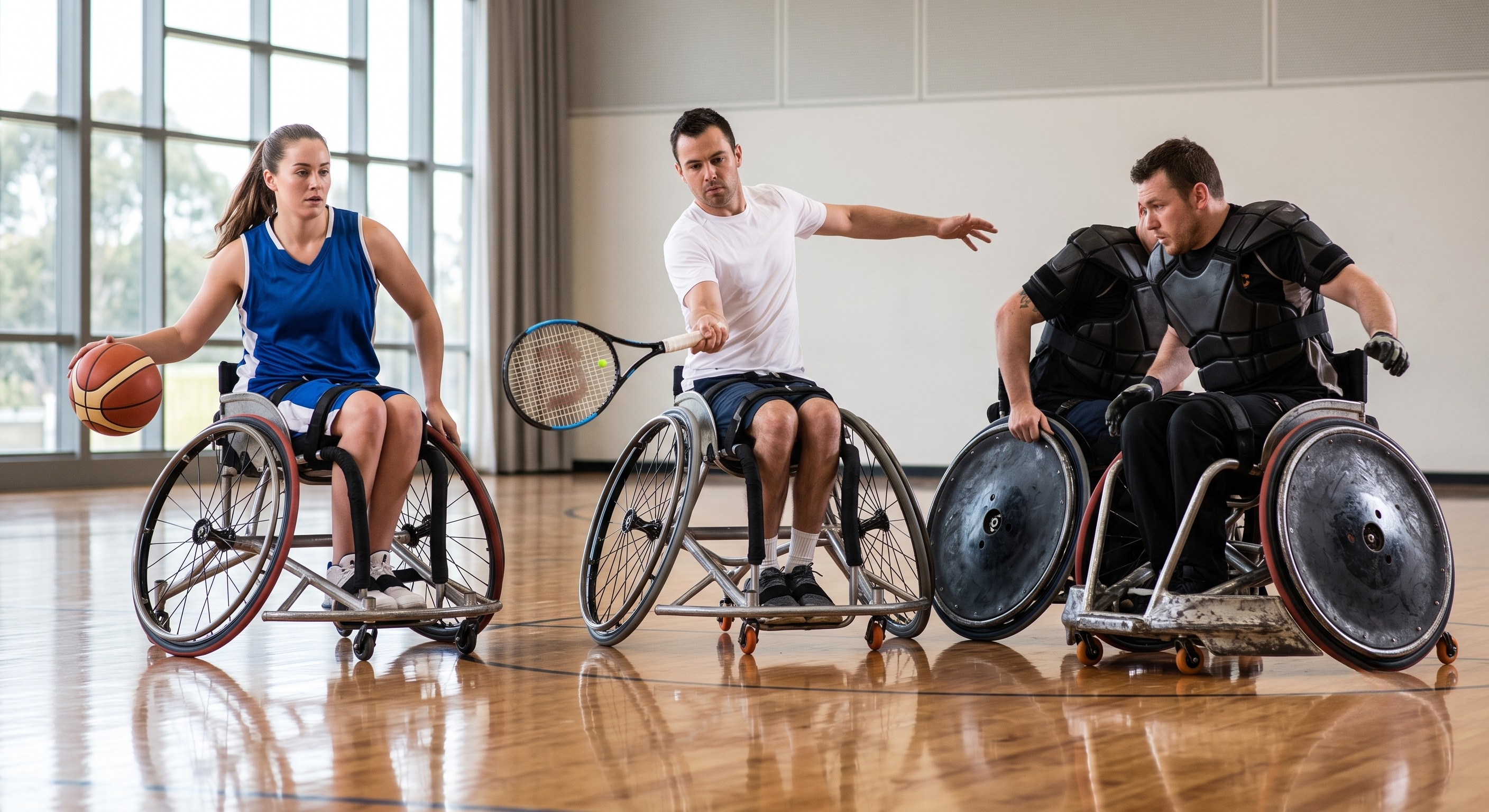
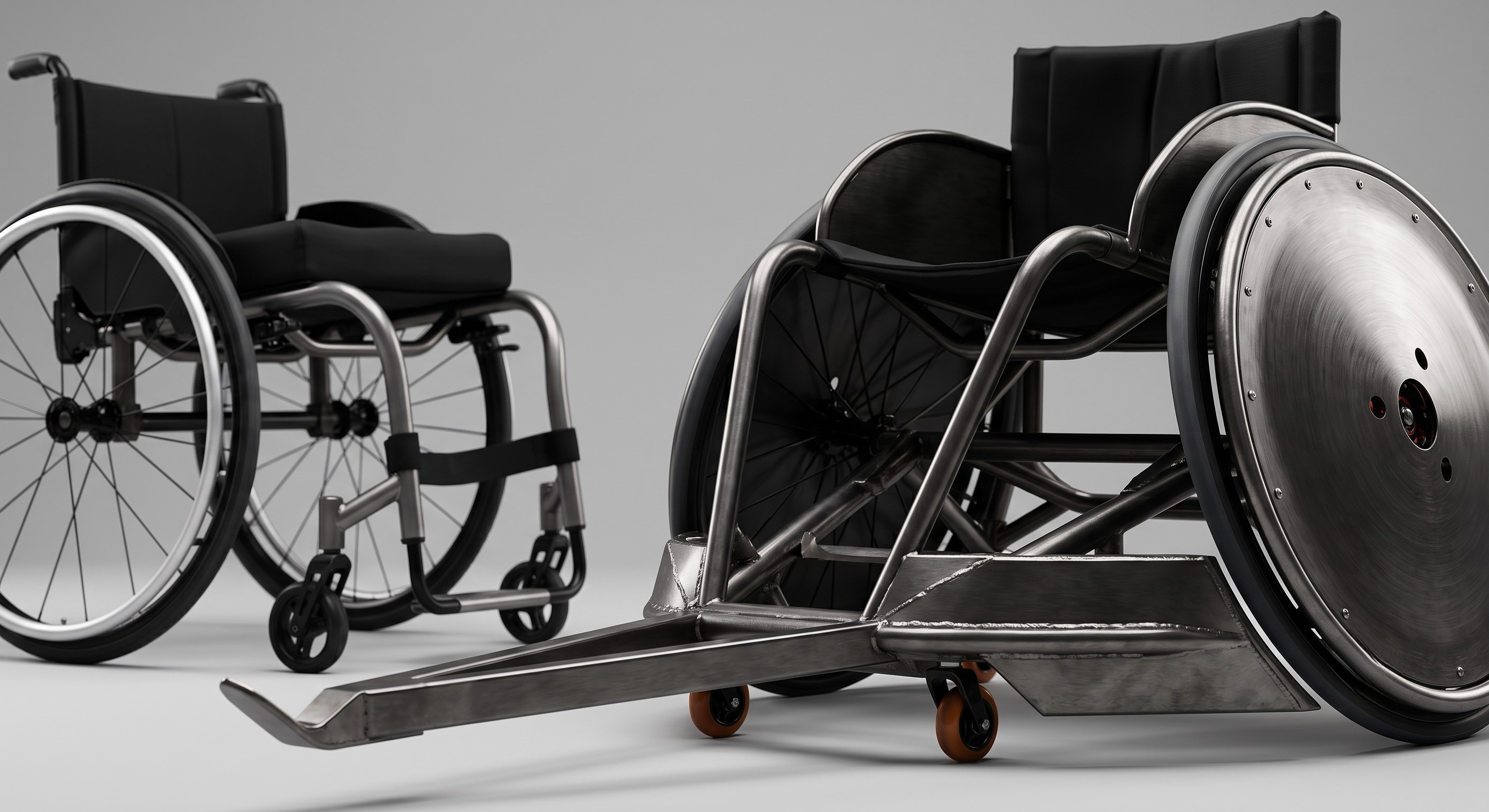
The Anatomy of a Court Chair: These chairs look dramatically different from daily mobility devices. They feature an extreme wheel camber (the angle at which the rear wheels lean inward toward the seat). This wide base prevents tipping during sharp, high-speed turns and protects your hands from impacts. They also feature rear anti-tip wheels and heavy-duty front bumpers.
-
Wheelchair Basketball: A game of intense agility and height advantages. Basketball chairs are tailored to the player's classification and position, often featuring higher seat dumps for core stability.
-
Wheelchair Tennis: Speed and rapid directional changes are everything. Tennis chairs are incredibly lightweight and highly responsive, allowing players to cover the baseline with a single explosive push.
Explore Wheelchair Tennis Chairs -
Wheelchair Rugby (Murderball): Not for the faint of heart. Rugby chairs are heavily armored tanks designed for full-speed collisions. Offensive chairs are rounded to slip through defenses, while defensive chairs have long front pickers designed to hook and trap opponents.
Explore Wheelchair Rugby Chairs
2. Hitting the Pavement: Handcycling
If team sports aren't your speed and you prefer the endurance and solitude of the open road, handcycling is the ultimate cardiovascular pursuit.
-
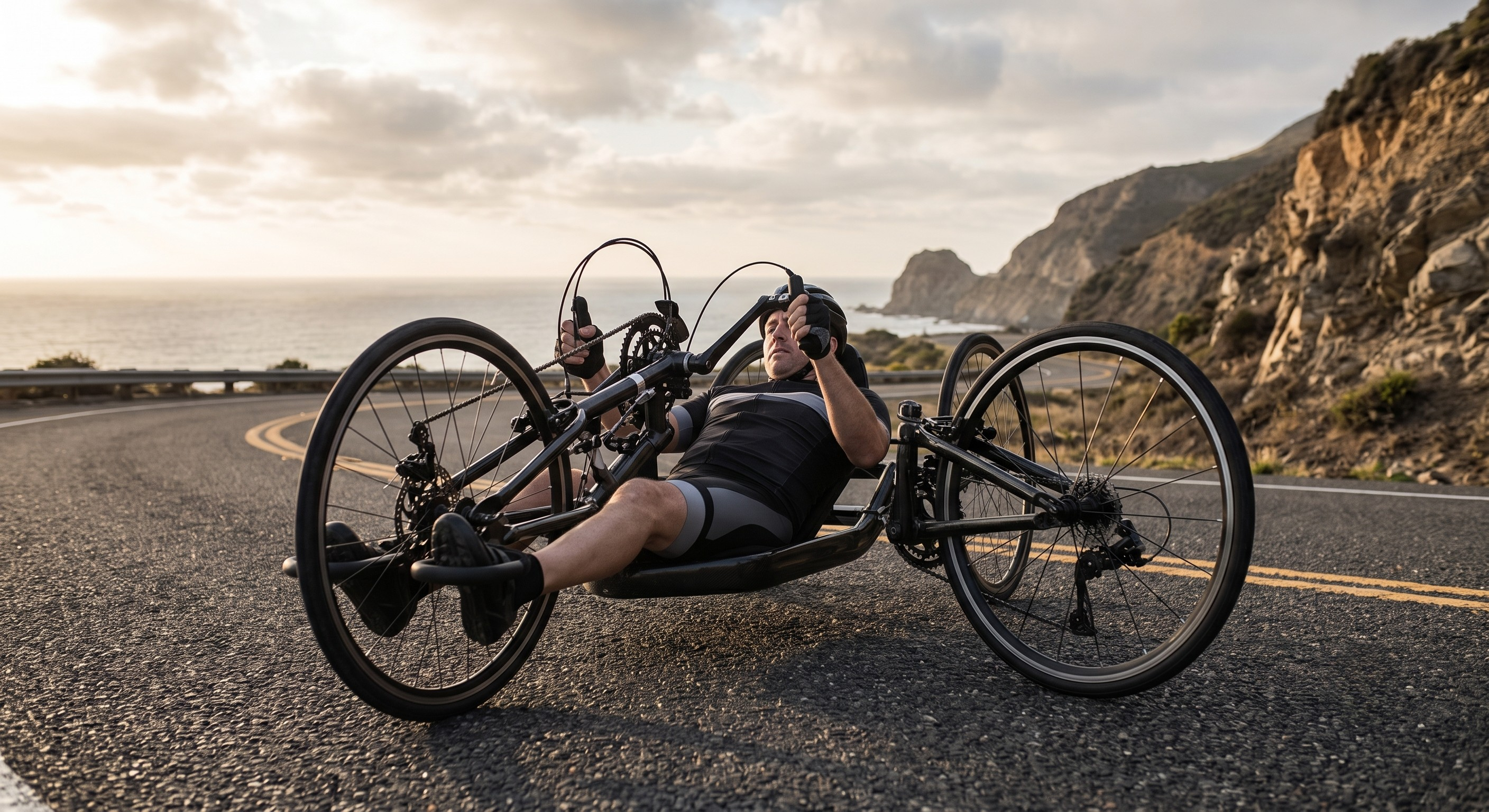
How it Works: Handcycles are three-wheeled bikes powered entirely by your arms. You lie back or sit upright in a bucket seat, using a synchronous hand-crank system to propel the front wheel, which also controls the steering and braking.
-
The Gear: Handcycles range from upright, casual cruisers for neighborhood paths to aerodynamic, ultra-lightweight recumbent racing bikes designed for marathons.
-
Find Your Ride: Whether you are looking for recreation or competition, having a properly fitted bike is crucial for shoulder health and power transfer.
Browse Manual Handcycles
3. Conquering the Mountain: Adaptive Skiing
A spinal cord injury or mobility impairment does not mean your winter sports days are over. The adaptive skiing community is one of the most robust and technologically advanced in the world.
-
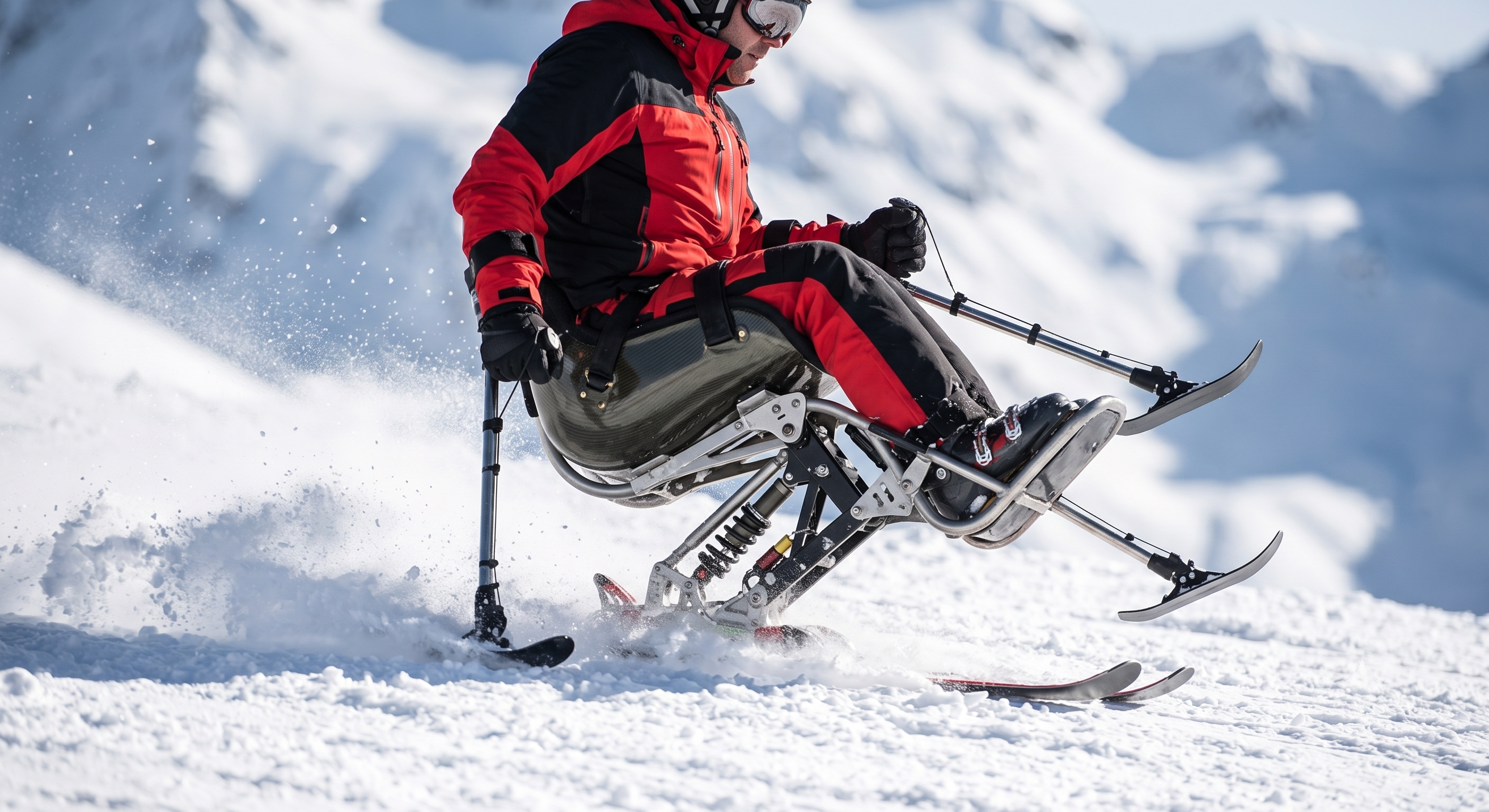
Mono-Skis (Sit-Skis): Designed for users with good core strength, a mono-ski consists of a molded bucket seat mounted to a high-performance shock absorber, which is then attached to a single traditional alpine ski. You use two handheld outriggers (short ski poles with mini-skis on the bottom) for balance and turning.
-
Bi-Skis: Similar to a mono-ski but mounted on two skis for a wider, more stable base. These are fantastic for beginners or individuals with less core stability.
-
Hit the Slopes:
Explore Adaptive Skiing Equipment
4. The Elephant in the Room: Funding Your Gear
Let’s be completely transparent: specialized adaptive sports equipment is notoriously expensive. A custom-welded titanium basketball chair or a high-end racing handcycle can cost as much as a used car. Insurance almost never covers sports equipment, deeming it "not medically necessary."
Do not let the price tag keep you on the sidelines.
There is a massive network of non-profits dedicated entirely to funding this gear. Organizations like the Challenged Athletes Foundation (CAF), the Kelly Brush Foundation, and the High Fives Foundation offer annual grant cycles specifically to buy adaptive sports equipment for individuals. Research these grants, lean on your local adaptive sports chapter for application advice, and get funded.
Ready to Play?
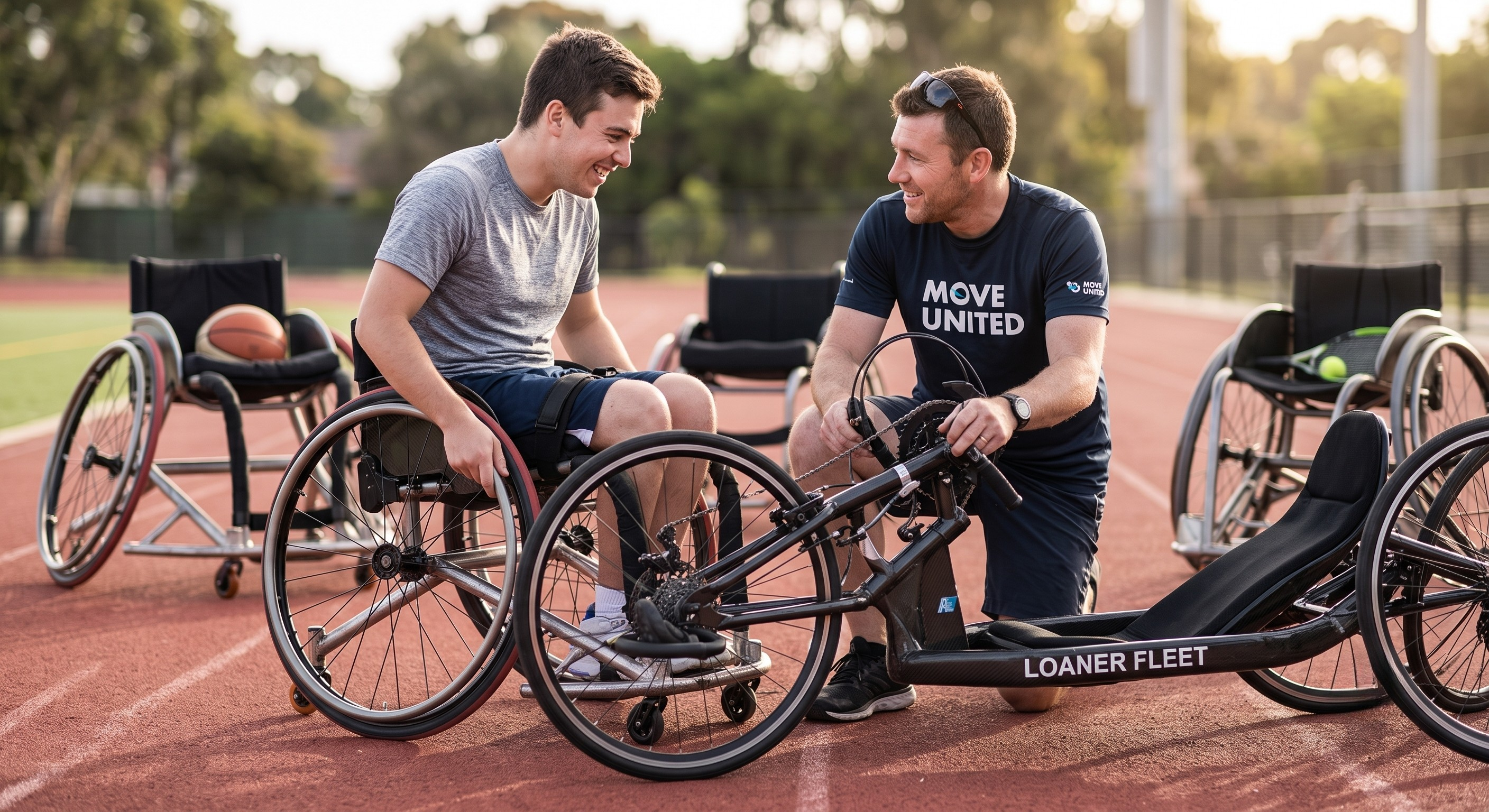
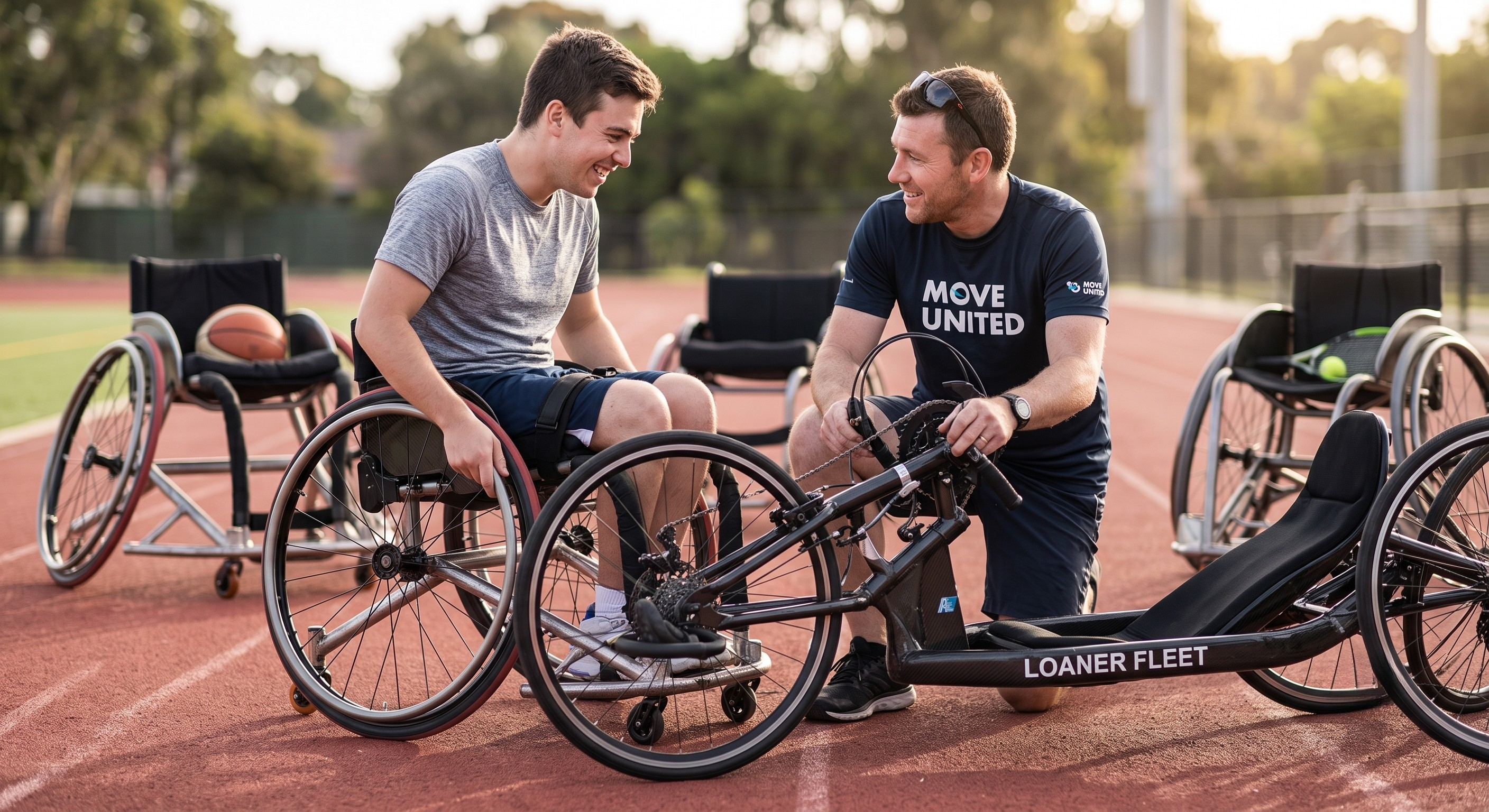
The best way to start is to find a local adaptive sports chapter (like Move United in the US) and attend a practice. Most organizations have a fleet of loaner chairs so you can try basketball, tennis, or cycling before committing to buying your own gear.
Once you find the sport that sets your soul on fire, get measured, get funded, and get the gear that will elevate your game.