
Adaptive Fashion: Dressing for Comfort, Style, and Function | Living Spinal
Posted by Living Spinal on May 19th 2026
Adaptive Fashion: Dressing for Comfort, Style, and Function
For decades, the fashion industry largely ignored the disabled community. If you were a full-time wheelchair user, finding clothing that didn't bunch up, slide down, or create dangerous pressure sores was a daily struggle. But in 2026, the landscape has radically changed. Adaptive fashion has moved from a niche concept to a mainstream reality.
Dressing as a wheelchair user is no longer just about settling for baggy sweatpants. It's about finding garments that embrace the mechanics of a "seated fit" without sacrificing an ounce of your personal style. Here is your guide to building an adaptive wardrobe that works with your body, along with some brilliant tools and accessories to maximize your independence.
1. The Anatomy of a "Seated Fit."
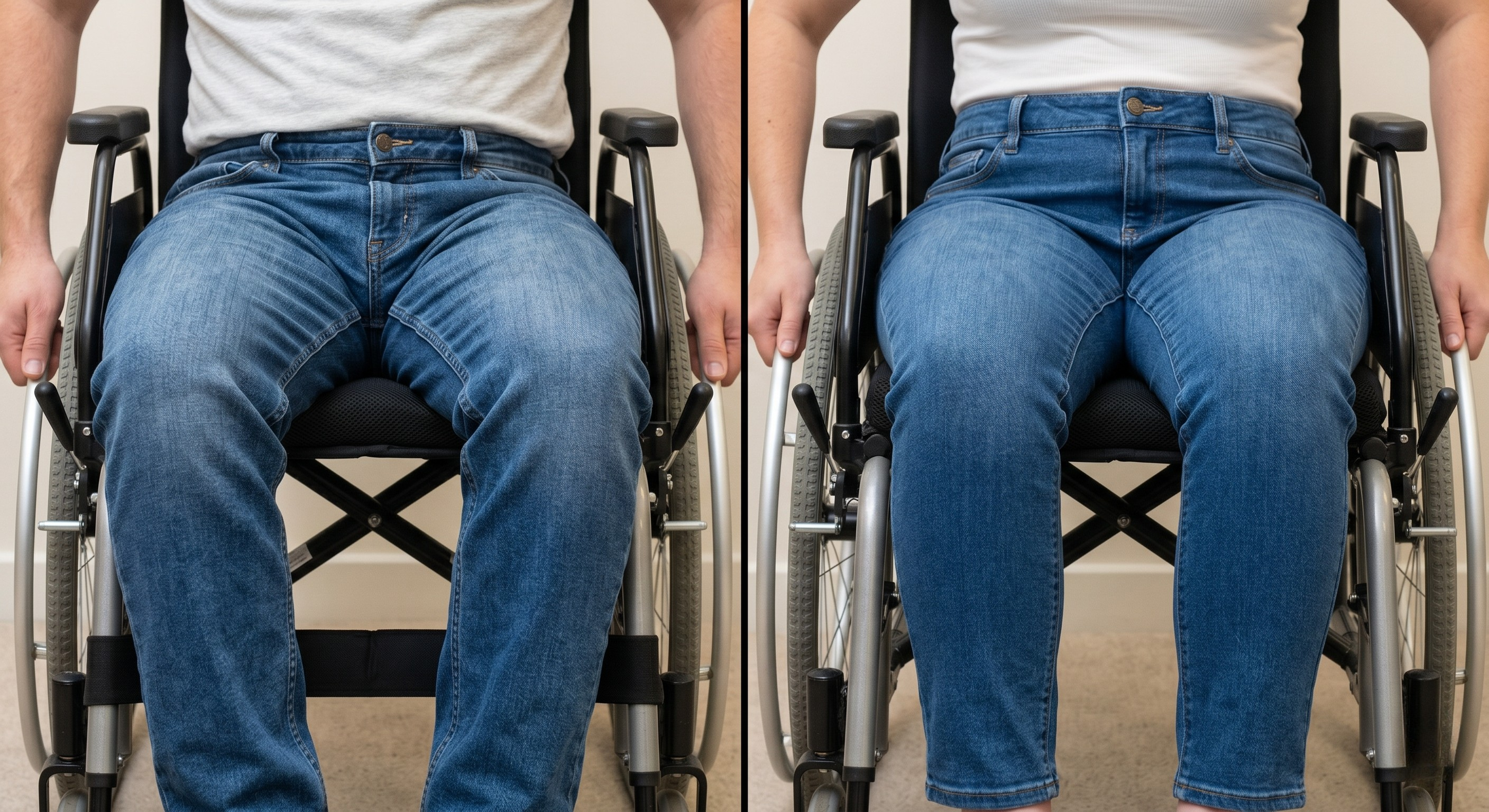
Standard pants are designed for a standing body. When you sit, the back pulls down (exposing your skin) and the front bunches up (creating uncomfortable pressure points). This isn't just an aesthetic issue; heavy seams and rivets on standard jeans can lead to serious skin breakdown and pressure sores.
-
The Higher Rise: True adaptive wheelchair pants are cut with a much higher back rise and a lower front rise. This ensures full coverage over your lower back while you lean and push, without the fabric digging into your stomach.
-
Smooth Seams: Look for pants with eliminated or flattened rear seams and faux back pockets to protect your skin during long hours in the chair.
-
Easy Access: Elastic waistbands, side-zip jackets, and magnetic closures on tops are game-changers for those with limited hand dexterity.
2. Footwear That Empowers
Standard shoes can be a nightmare to put on, especially if you deal with spasticity, limited reach, or use orthotics (AFOs). Furthermore, dragging feet or the angle of your footplate can quickly wear out the toes of regular sneakers.
-
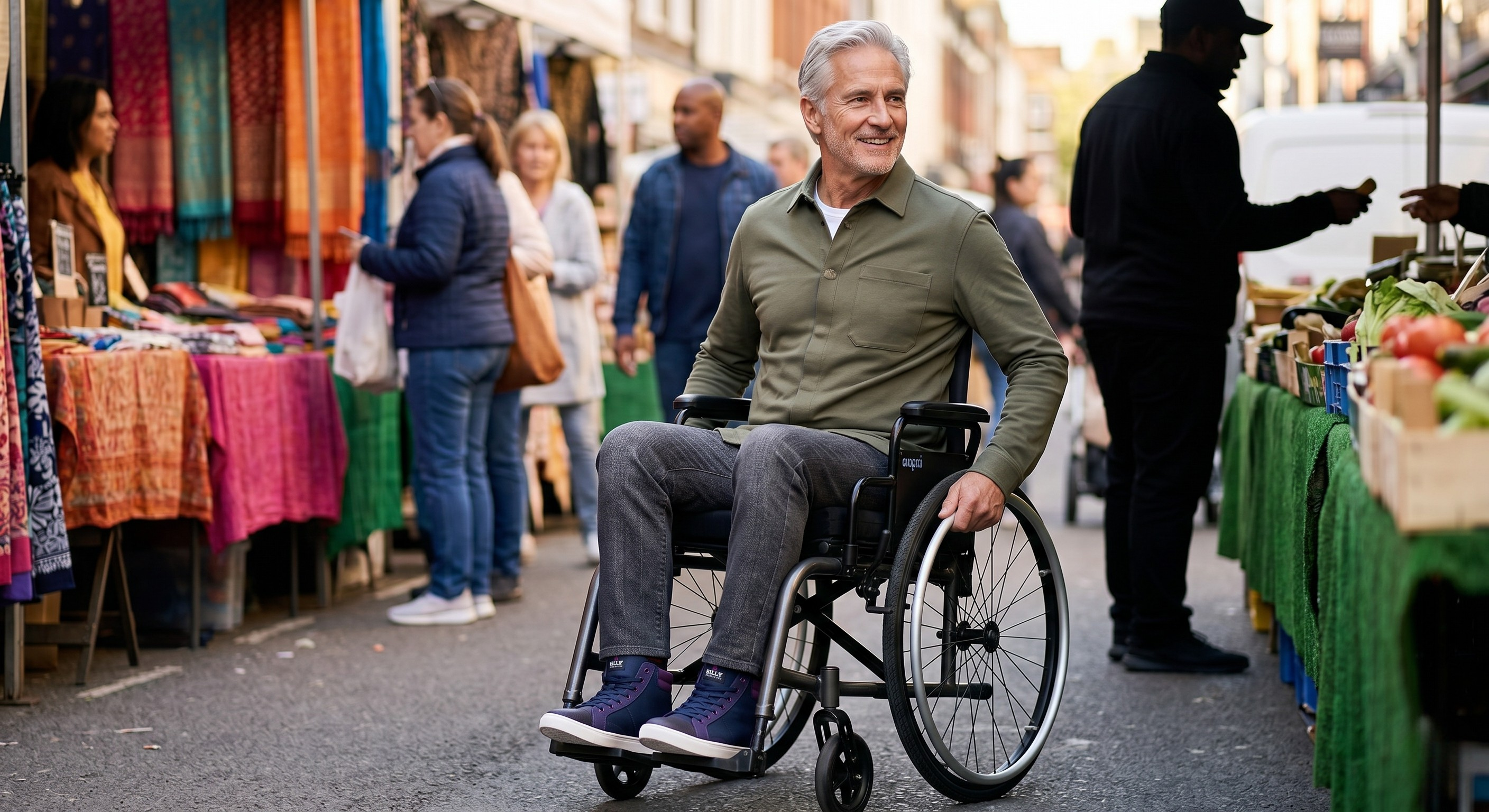
The Zip-Around Revolution: The era of struggling with shoelaces is over. Brands like BILLY Footwear have revolutionized adaptive shoes by incorporating a zipper that runs along the outside and around the toe. The entire upper of the shoe flips open, allowing you to place your foot in unobstructed, and zip it securely shut.
-
Style and Protection: These shoes offer a stylish, mainstream look while providing the wide base and easy entry required by many users.

Looking for the perfect fit? Check out the stylish
3. Dressing Aids for Maximum Independence
Sometimes, the clothing isn't the problem—the act of dressing is. Pulling up pants requires balance, core strength, and upper body mobility. If you struggle with this aspect of your morning routine, you don't have to rely on a caregiver. Adaptive technology can bridge the gap.
-
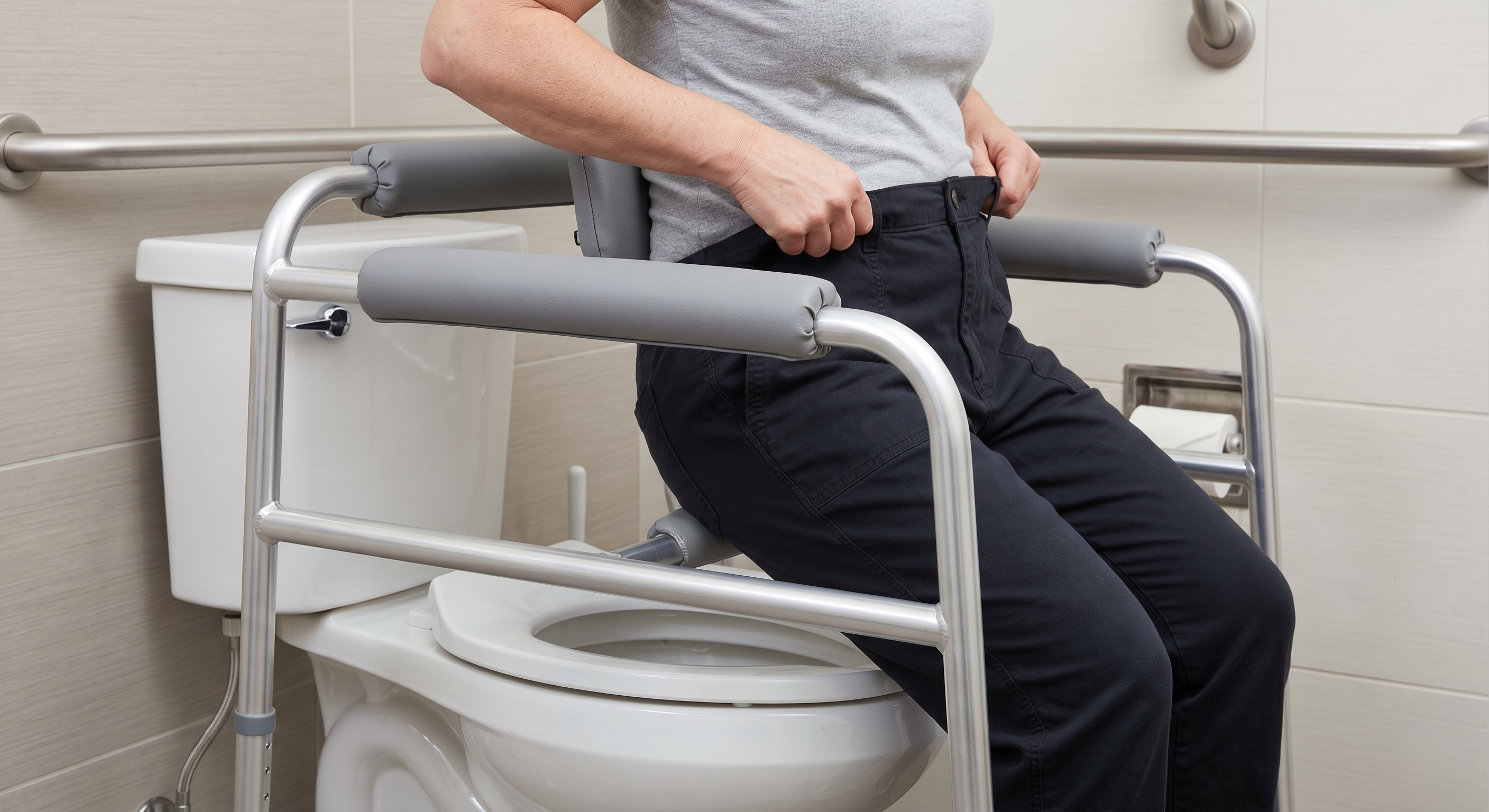
The Pants Up Easy System: This innovative device is designed to relieve the stress of dressing. By supporting your upper body weight, it leaves your hands completely free to pull up your pants smoothly and safely.
-
Travel-Ready Independence: If you are planning a trip, the
Pants Up Easy Travel Model
4. Keeping Clothes Clear of Your Wheels
When you use a manual wheelchair, your clothes are in constant danger of brushing against dirty tires or getting caught in the spokes.
-
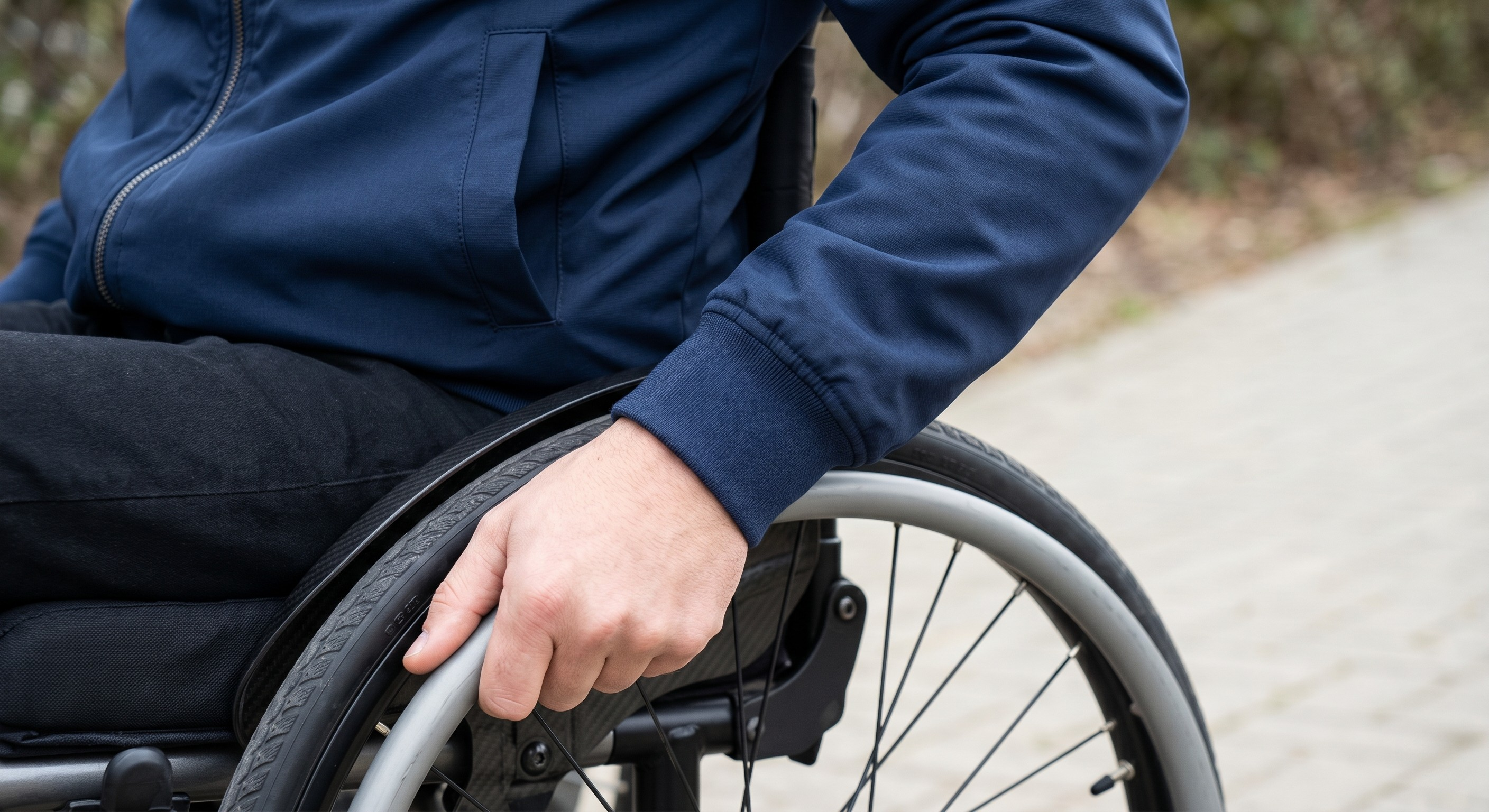
Sleeve Management: Beware of bell sleeves or loose, flowing cardigan arms. Tapered sleeves or tops with elastic cuffs are much safer and won't drag against your pushrims.
-
Jacket Length: Trench coats or long dusters can easily get trapped in your rear wheels or front casters. Opt for cropped jackets, bomber styles, or tailored coats that hit just at the waistline when seated.
-
Fabric Choices: Darker fabrics on your sleeves and sides will hide the inevitable dirt and grease marks from your tires much better than whites and pastels.
Final Thoughts: Wear Your Confidence
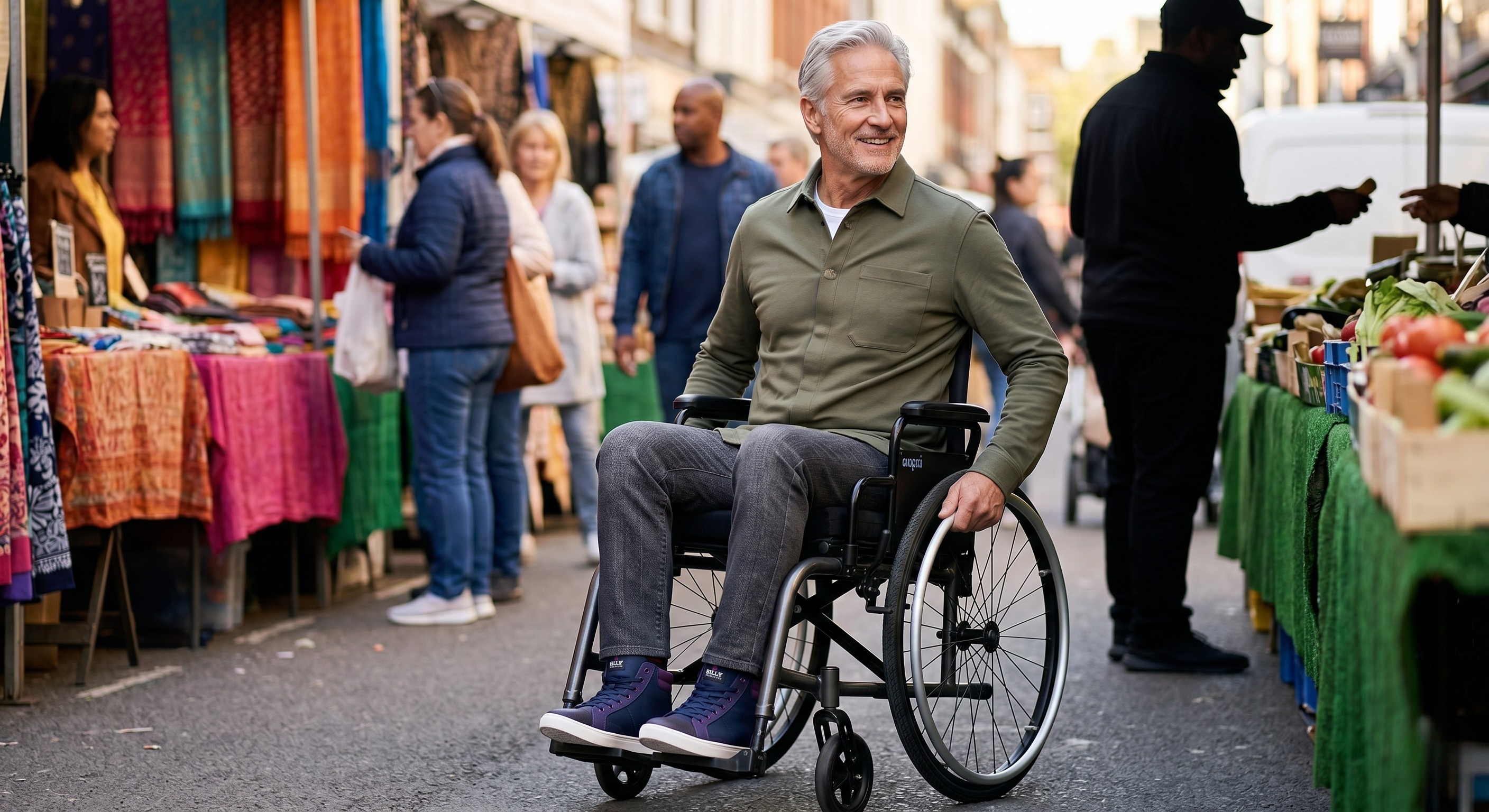
Your clothing is an extension of your identity. You shouldn't have to compromise your style just because you use a wheelchair. By prioritizing seated ergonomics, utilizing adaptive footwear, and leaning on innovative dressing aids, you can curate a wardrobe that looks incredible, feels comfortable, and supports your active lifestyle.