
Accessible Gardening: Cultivating Your Green Thumb from a Wheelchair | Living Spinal
Posted by Living Spinal on Jun 23rd 2026
Accessible Gardening: Cultivating Your Green Thumb from a Wheelchair
Gardening is a therapeutic, rewarding hobby, but the traditional setup—kneeling in the dirt, dragging heavy hoses, and using short-handled tools—isn't friendly for wheelchair users. The good news is that with a few strategic modifications and the right gear, you can build a lush, accessible garden.
Here is how to set up your outdoor space and equip your chair for a season of pain-free planting.
1. Conquer the Terrain: Upgrading Your Wheels
The biggest barrier to gardening is often just getting across the yard. Standard wheelchair casters sink into grass, mud, and gravel, leaving you stuck before you even reach the planter beds.
-
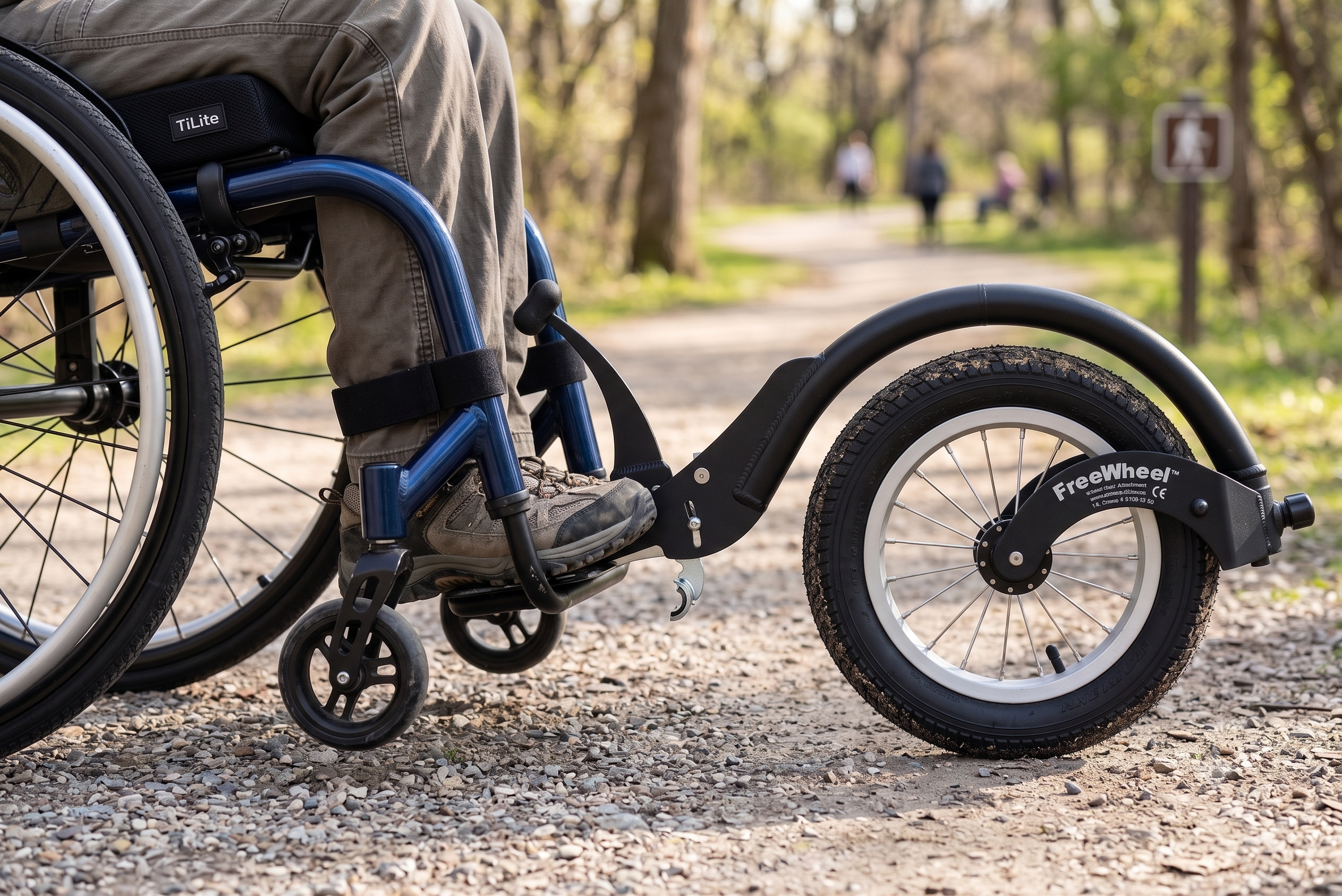
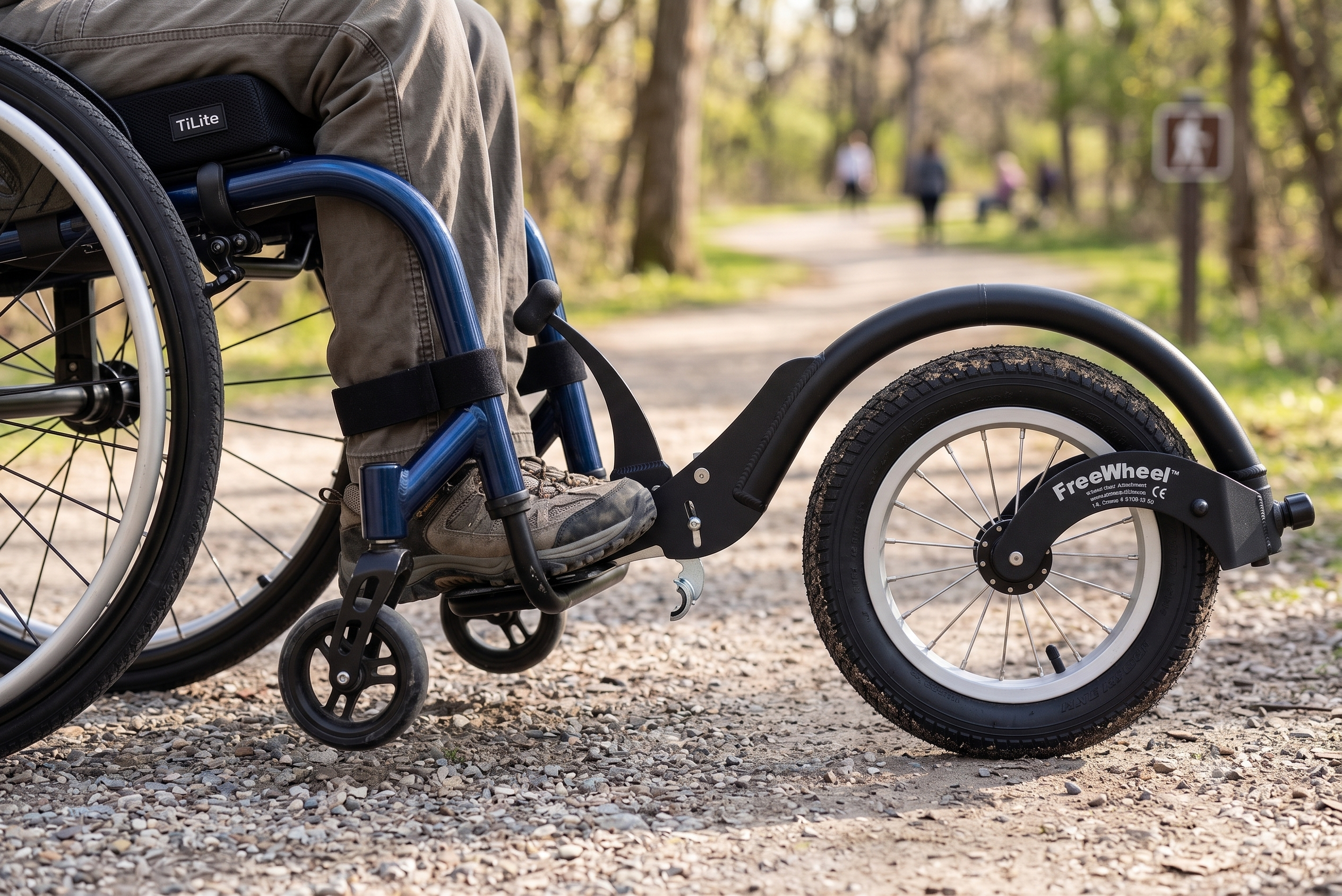
Lift the Casters: The
FreeWheel Wheelchair Attachment It acts as a third wheel that snaps onto your footrest, lifting your small front casters completely off the ground. This prevents you from getting stuck in ruts or soft soil, making it easier to maneuver over uneven grassy terrains.
-
Swap the Rear Tires: For maximum traction in the dirt, consider upgrading to
SUMO All Terrain Outdoor Wheelchair Wheels
2. Setting Up an Accessible Workspace
You need to bring the soil to your level. Bending down to ground level from a wheelchair puts dangerous strain on your lower back and increases the risk of tipping.
-
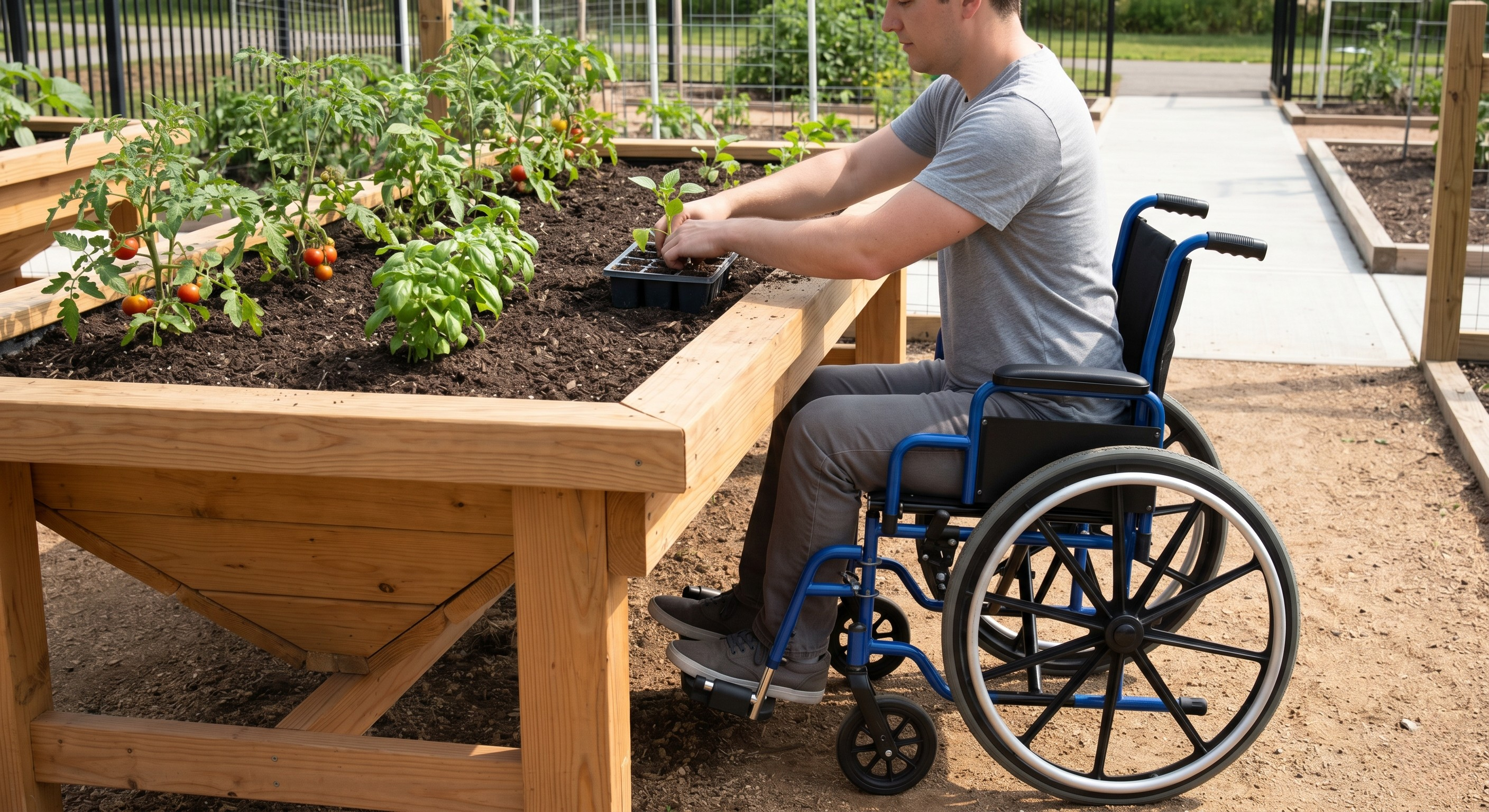
Raised Planter Beds: Build or buy raised beds that are roughly 24 to 30 inches high, which is a comfortable lap height for most wheelchair users.
-
Roll-Under Access: If possible, design table-style planters with knee clearance underneath. This allows you to roll directly under the soil bed, letting you reach forward without twisting your spine.
-
-
Keep it Narrow: Ensure your planter beds are no wider than 3 feet if you can only access them from one side, or 4 feet if you can reach from both sides. This guarantees you can reach the center without overextending.
3. The Right Tools for the Job
Standard gardening tools can be heavy and difficult to grasp, especially if you have limited hand function.
-
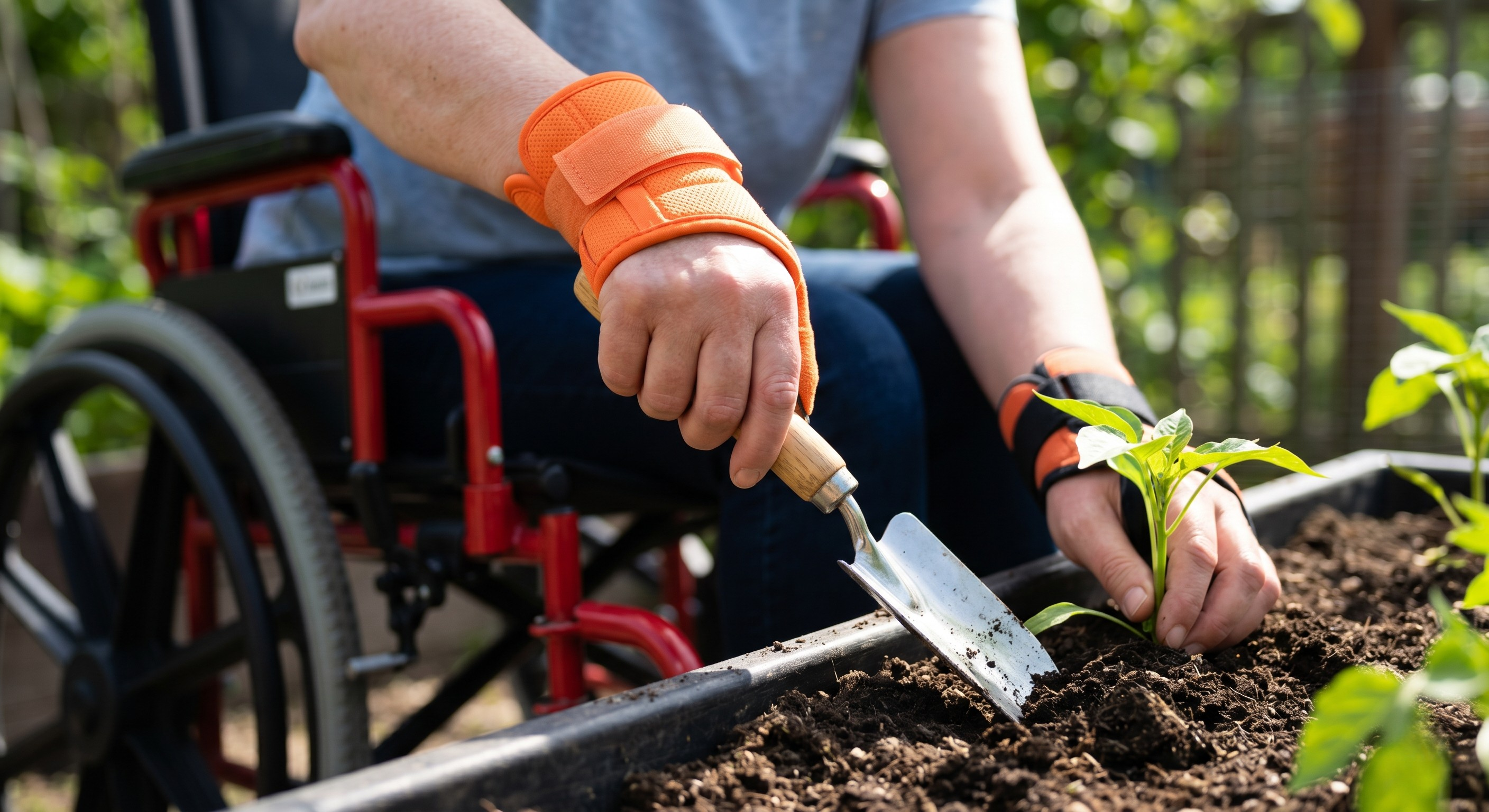
Secure Your Grip: If you have arthritis, quadriplegia, or limited dexterity,
Gripping Assistance Aids These tools strap trowels, rakes, and hoses securely to your hands, eliminating the need for pinch strength and letting your arm muscles do the heavy lifting.
-
Extend Your Reach: You will inevitably drop a seed packet or need to prune a stray branch just out of arm's length. A high-quality reaching aid, like the
Carex Ultra Grabber Its 90-degree rotating head makes it perfectly suited for grabbing items from awkward angles without compromising your balance. -
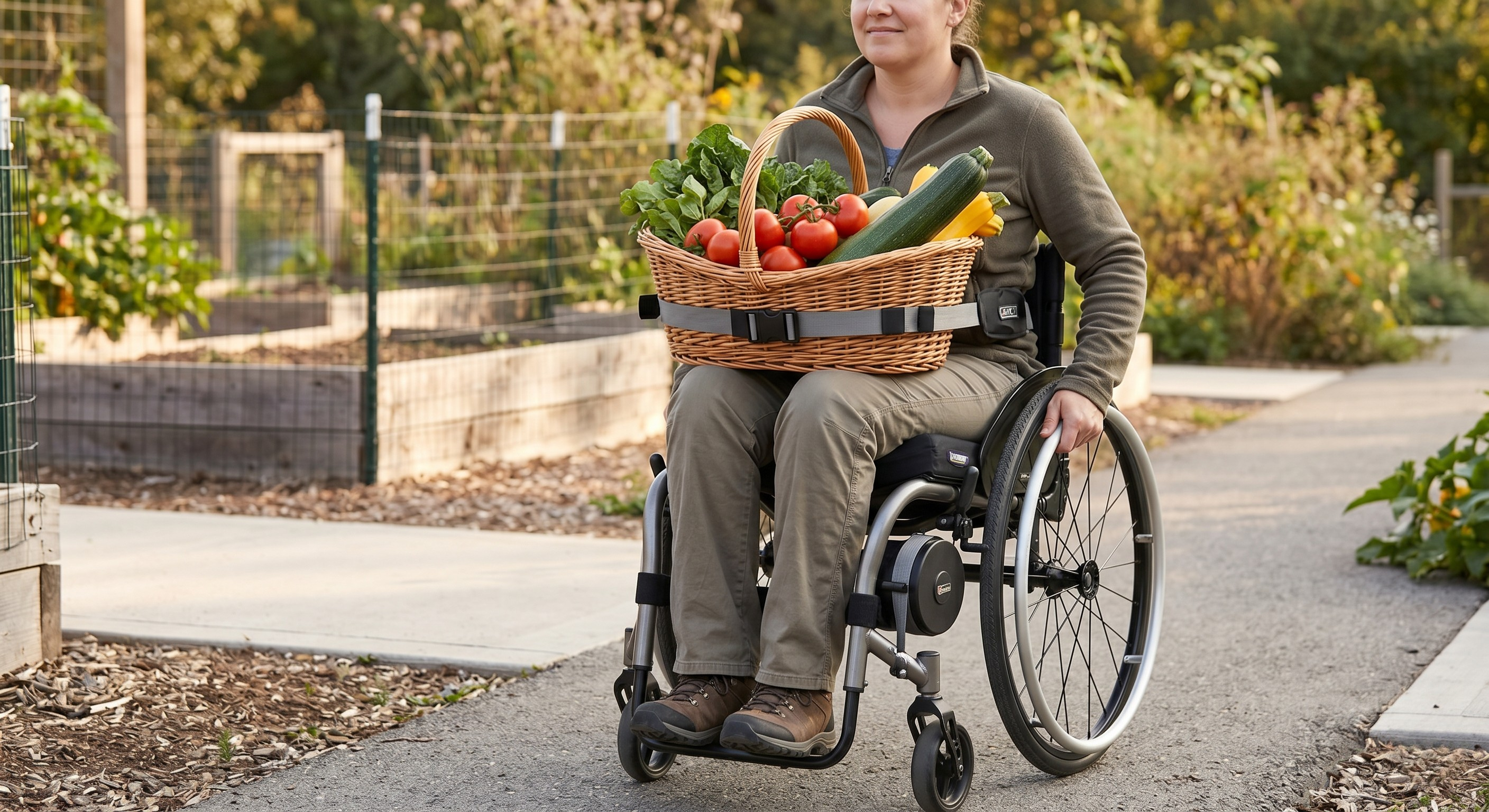
Transporting Soil and Harvests: Trying to push your wheelchair while carrying a bag of potting soil or a basket of tomatoes is incredibly frustrating and unsafe. The
LapStacker
4. Low-Maintenance Watering Systems
Dragging a heavy, kinked garden hose across the yard is an exhausting task that easily gets caught in your spokes and casters.
-
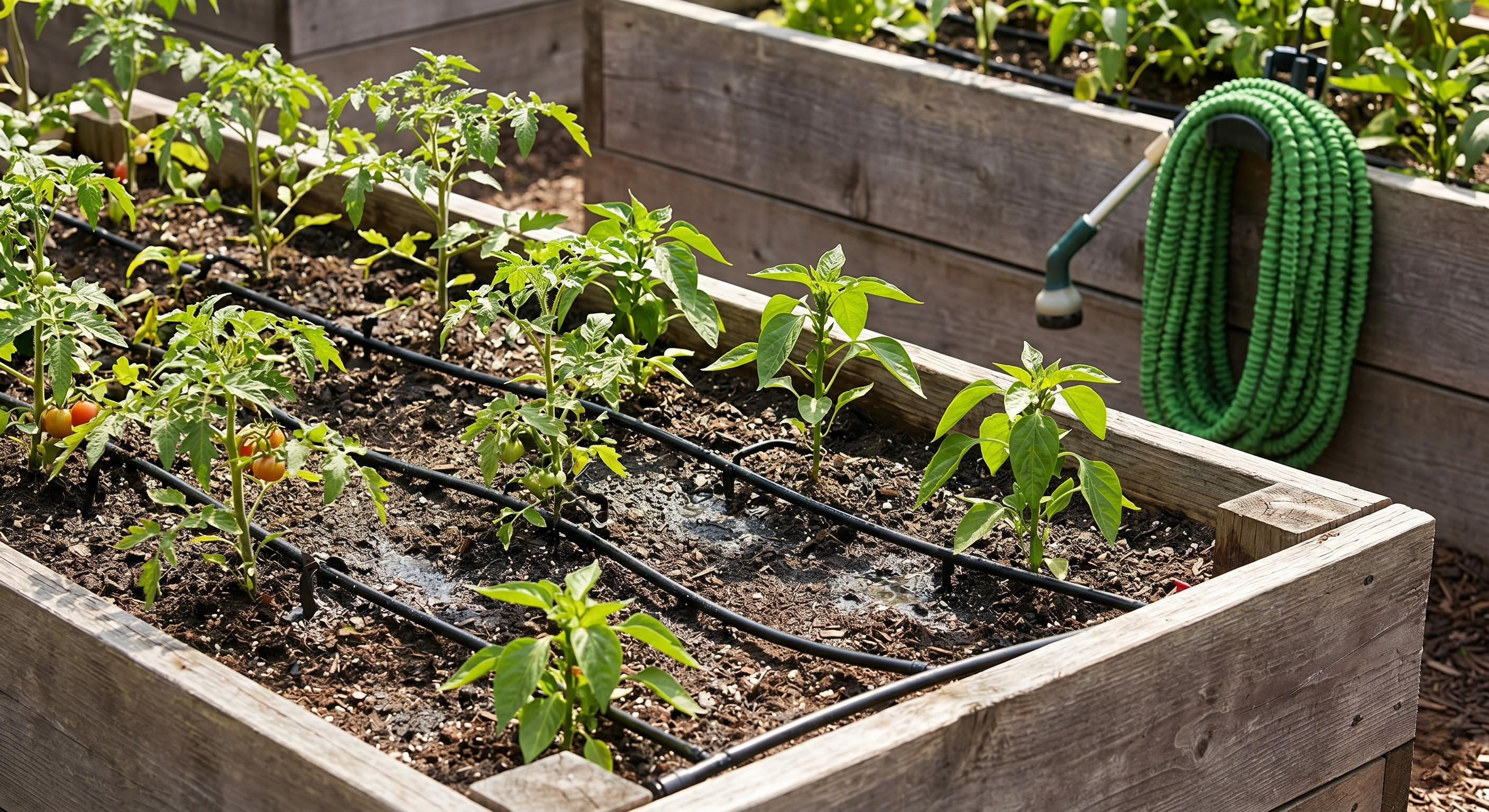
Drip Irrigation: Invest in a simple drip irrigation system or soaker hoses on a programmable timer. This waters the roots directly and saves you the physical labor of daily watering
-
Lightweight Expandable Hoses: If you prefer hand-watering, ditch the traditional heavy rubber hose for an expandable, lightweight fabric hose. Pair it with a long watering wand attachment to comfortably reach the back of your planter beds from a seated position.
Final Thoughts
Gardening from a wheelchair doesn't mean you have to scale back your ambitions; it just means designing your space to work with your body instead of against it. By upgrading your chair's outdoor capabilities and utilizing accessible tools, you can cultivate your green thumb and enjoy the therapeutic benefits of the outdoors.