
Conquering Cobblestones: A Guide to Smoother Rolling in Your Wheelchair | Living Spinal
Posted by Living Spinal on Feb 9th 2026
Conquering Cobblestones: A Guide to Smoother Rolling in Your Wheelchair
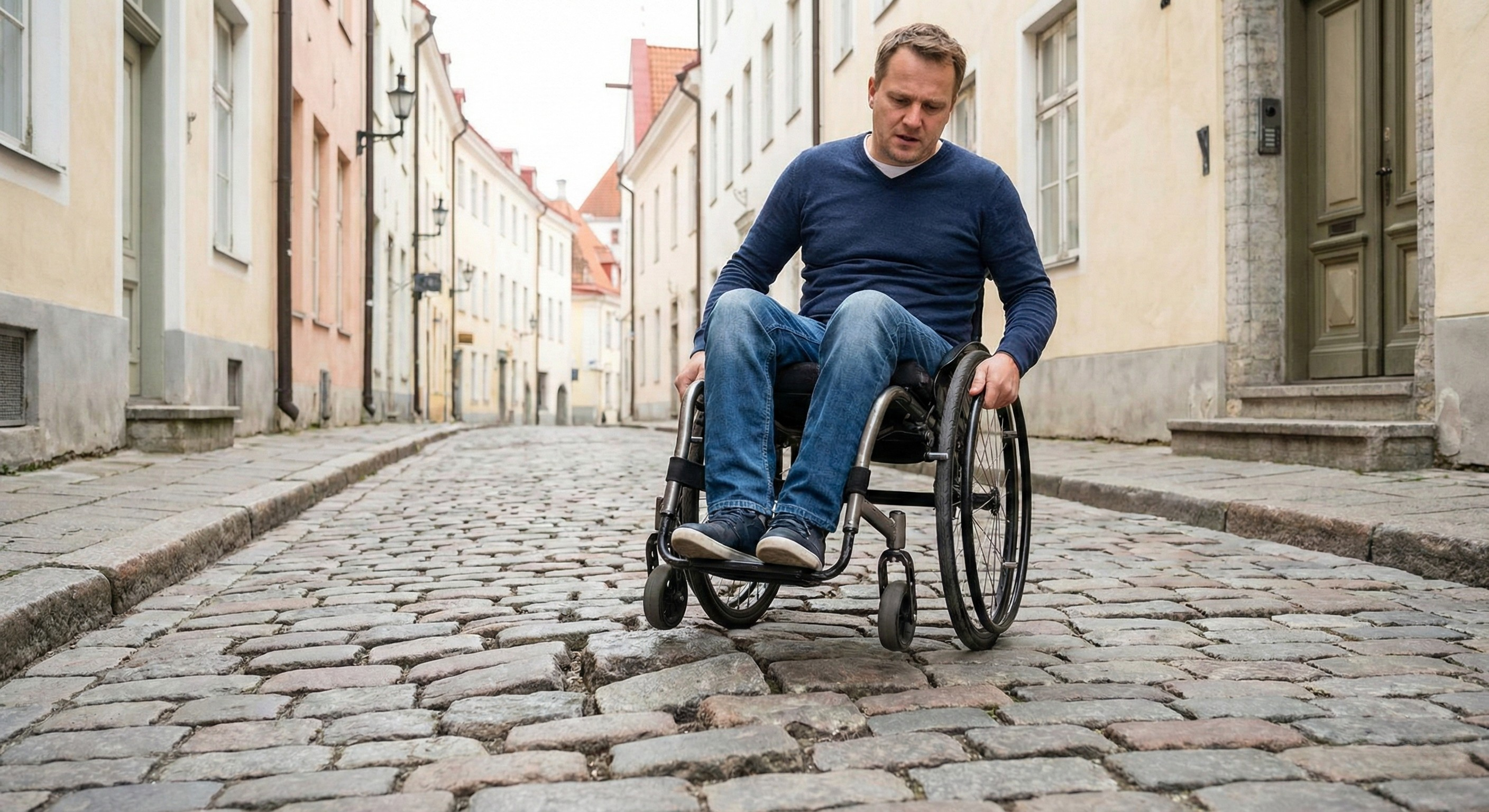
There’s an undeniable charm to the cobblestone streets of historic cities. They tell a story of the past and add a unique character to any journey. However, for a wheelchair user, that charm can quickly turn into a jarring, uncomfortable, and even spine-rattling experience. The uneven surfaces, gaps between stones, and constant vibration can make navigating them a real challenge.
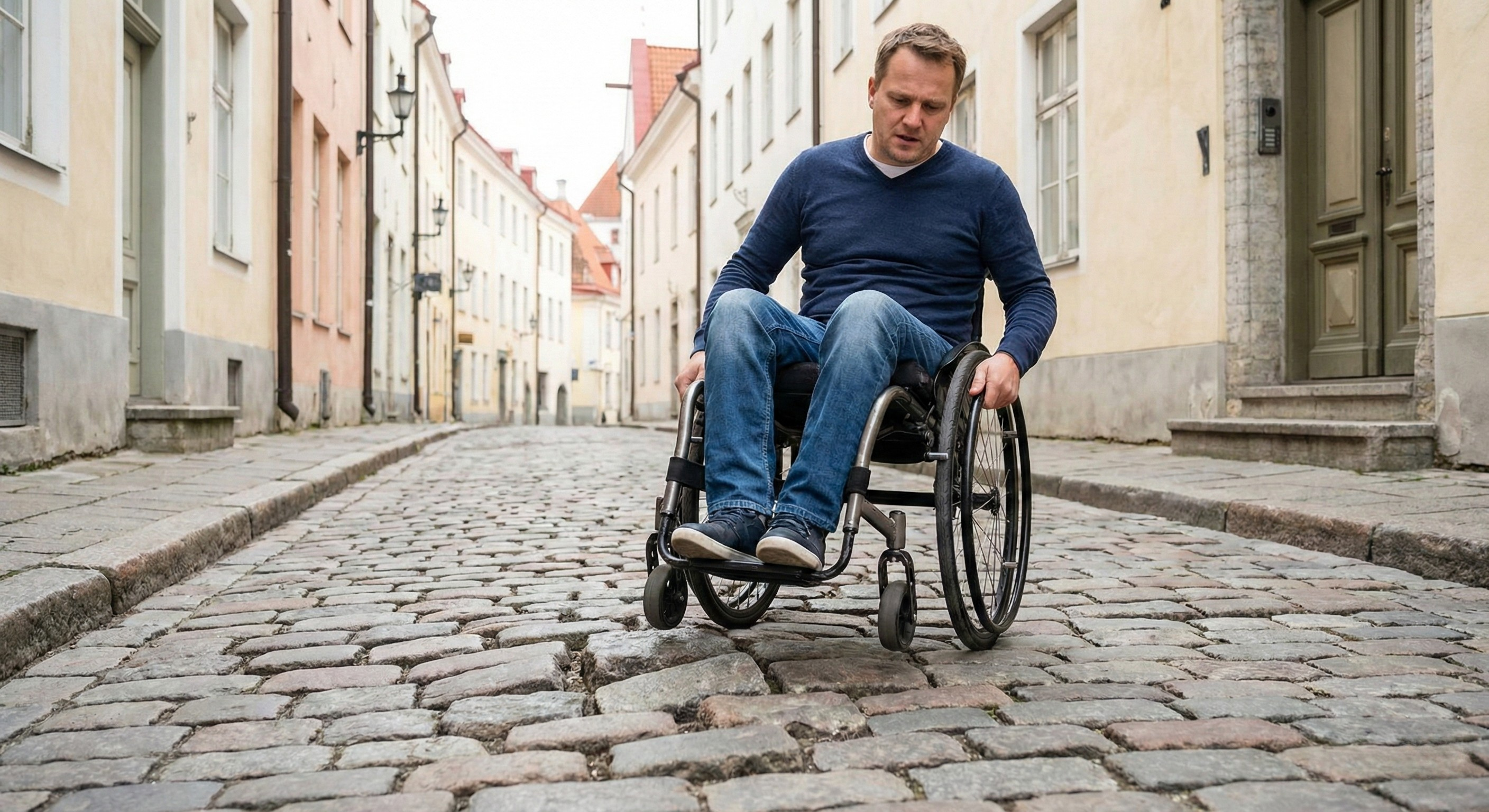
But don't let cobblestones deter you from exploring. With the right techniques and a few key pieces of equipment, you can significantly smooth out the ride and enjoy the journey.
1. Master Your Technique
Before you even look at gear, your technique is your first line of defense. The goal is to minimize the impact on your small front caster wheels, which are the most likely to get stuck or cause a sudden jolt.
-
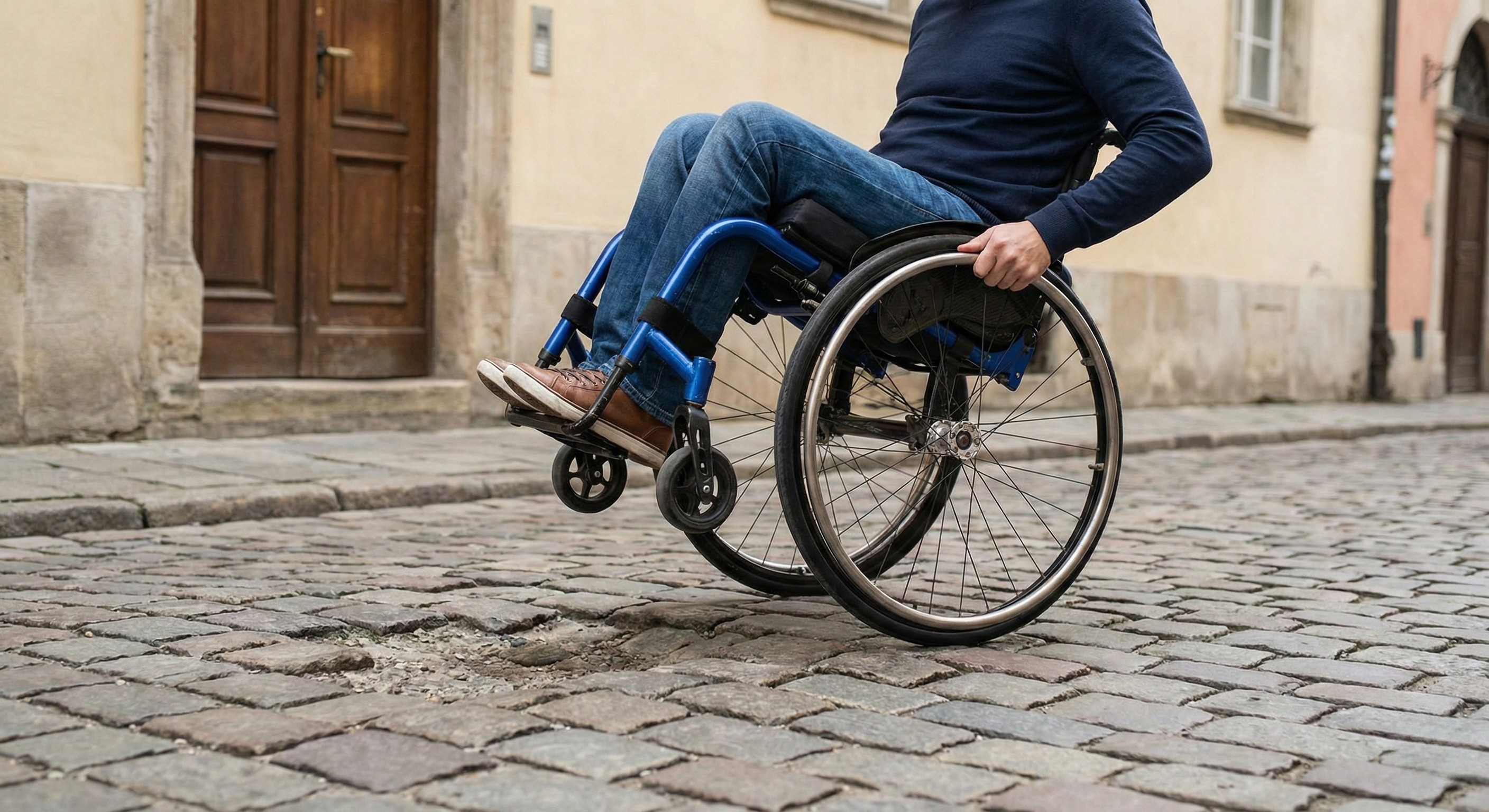
Lean Back: By shifting your weight slightly backward, you take pressure off the front casters. This allows them to "float" more easily over the bumps rather than digging into every crevice.
-
Maintain Momentum: It’s much harder to get moving on cobblestones from a dead stop. Try to keep a steady, moderate pace. The momentum helps your wheels roll over the gaps instead of dropping into them.
-
Look Ahead: Scan the path in front of you. Look for smoother sections, like a paved strip in the middle of the road, a flatter sidewalk, or a line of larger, flatter stones. Plan your path to avoid the roughest patches.
-
Pop a Wheelie (If You Can): For experienced users, briefly popping a wheelie to lift the front casters over particularly bad spots is a highly effective technique.
2. Gear Up for a Smoother Ride
Sometimes, technique alone isn't enough. Fortunately, there are innovative products designed specifically to tackle rough terrain like cobblestones.
-
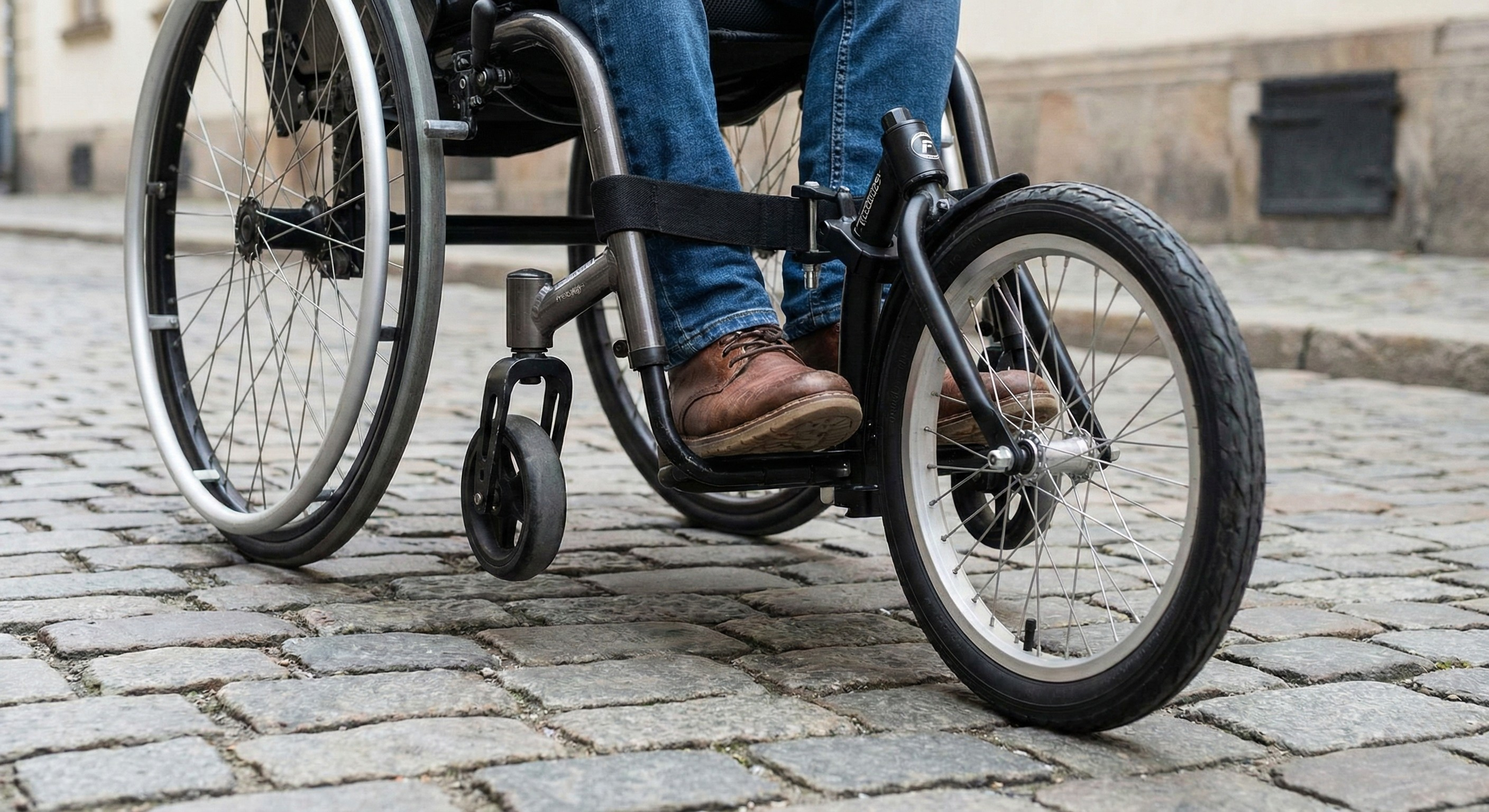
Lift Your Front Wheels: The most direct solution to the "caster problem" is to take them out of the equation entirely. The
Freewheel Wheelchair Attachment
-
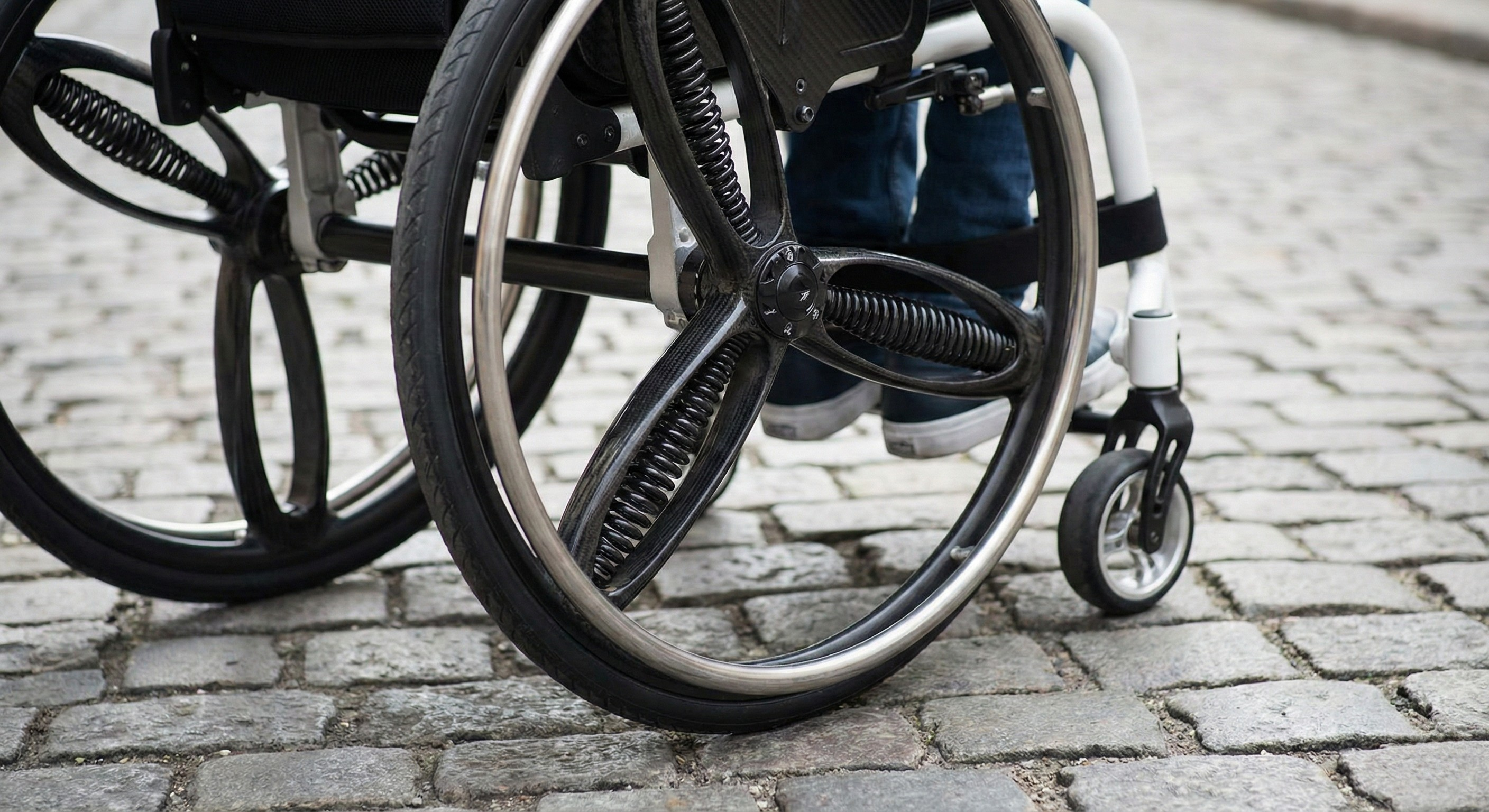
Absorb the Shock: The constant vibration from cobblestones can be exhausting and painful. Standard spoked wheels transfer all that energy directly to your frame and body.
Loopwheels Extreme Offroad Suspension Wheels
-
Protect Your Spine: Never underestimate the importance of a high-quality seat cushion. It's your final layer of defense against vibration. A good cushion will absorb shock, distribute pressure, and help protect your skin and spine. If you know you'll be traversing rough terrain, ensure you have a
supportive seat cushion and backrest
3. Plan Your Route
Finally, a little planning goes a long way. When visiting a new city known for its cobblestones, do some research. Use online maps with "street view" to inspect the road surface. Look for accessible travel blogs or forums where other wheelchair users have shared their experiences and recommended routes. Often, there are smoother, paved alternatives just a block away from a main cobblestone street.
By combining smart techniques with the right adaptive gear, you can confidently navigate cobblestone streets and focus on the beauty of your surroundings, not the bumps in the road.