
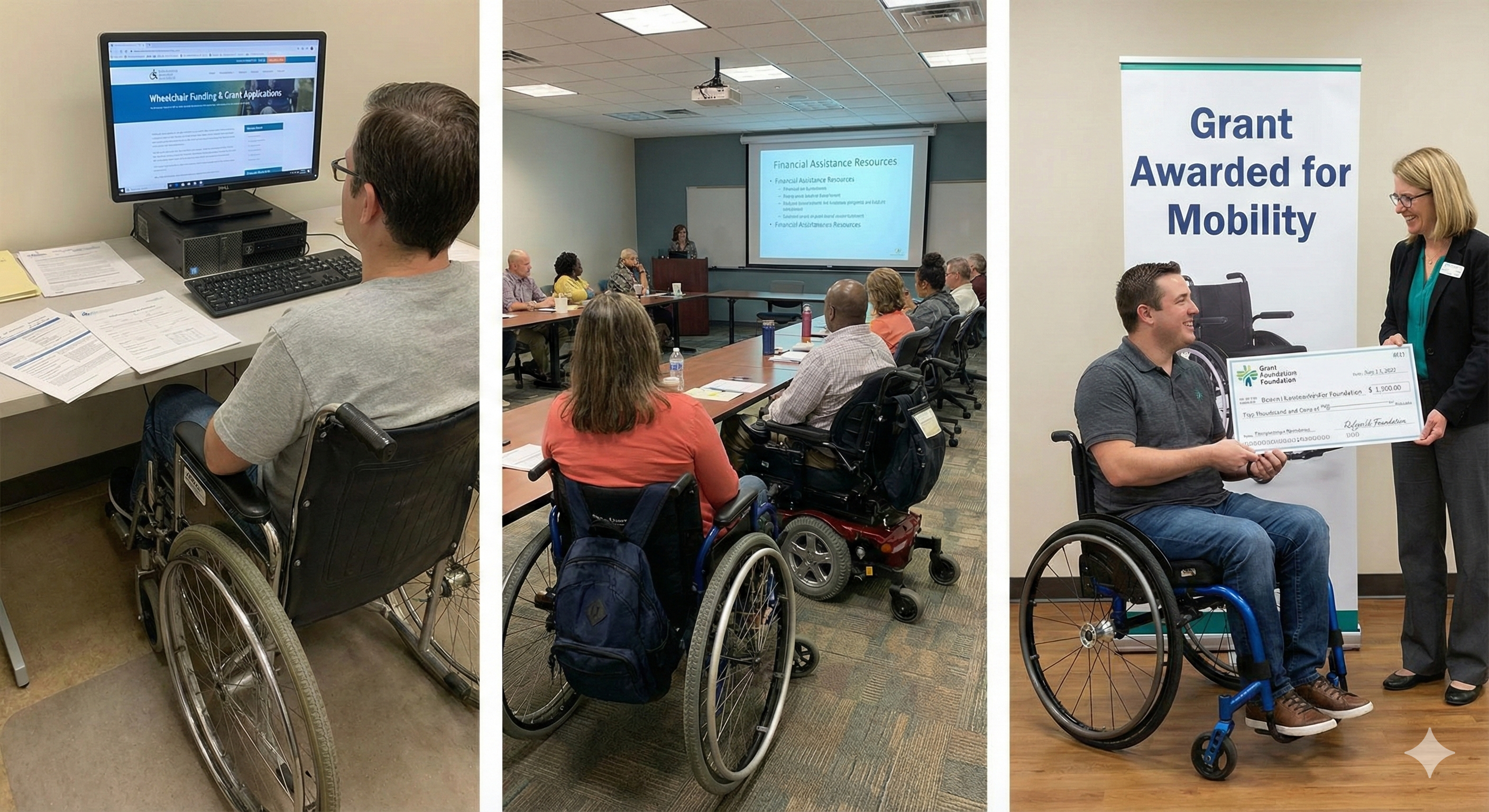
The Full Guide to Wheelchair Grants, Funding & Financial Assistance | Living Spinal
Posted by Living Spinal on Dec 29th 2025
The Full Guide to Wheelchair Grants, Funding & Financial Assistance
Navigating the world of mobility equipment can be overwhelming, and the price tag attached to high-quality wheelchairs often adds a layer of stress to an already complex situation. Whether you are looking for an ultra-lightweight manual chair, a robust power wheelchair, or a specialized all-terrain vehicle, the cost shouldn't be the barrier between you and your independence.
The good news is that you rarely have to foot the entire bill alone. There is a vast ecosystem of grants, funding programs, and financial assistance designed specifically to help you get the equipment you need. This guide will walk you through the primary avenues for funding and introduce you to our master list of resources.
1. Start with Insurance (The "Big Three")
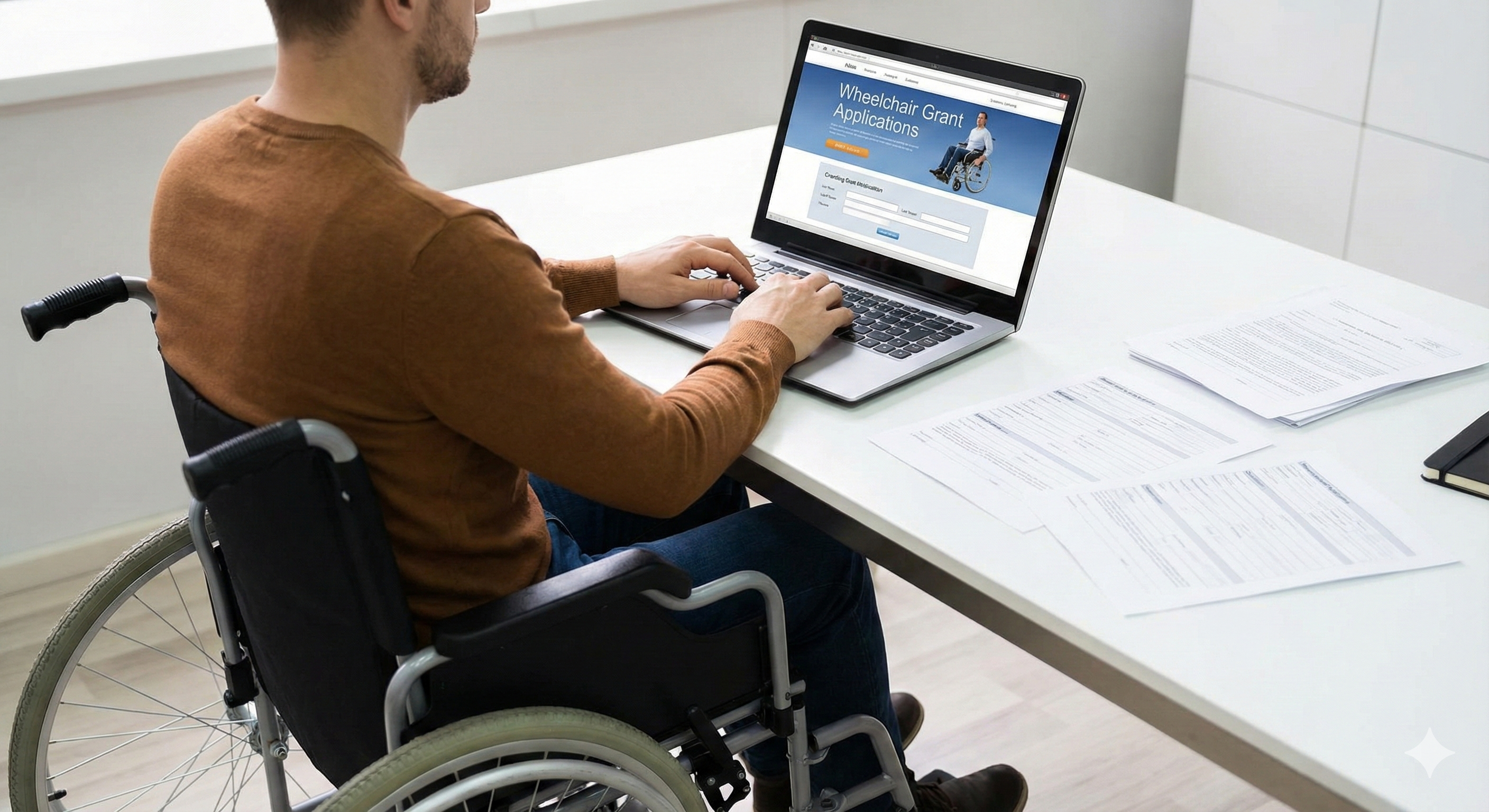
Before diving into private grants, it is essential to exhaust your standard insurance options. Most durable medical equipment (DME) providers will ask if you have gone through these channels first:
-
Private Insurance: Policies vary wildly, but many cover a significant portion of a primary wheelchair if it is deemed "medically necessary." Be prepared to provide a letter of medical necessity (LMN) from your doctor or physical therapist.
-
Medicare (Part B): Medicare typically covers power wheelchairs and scooters if you cannot perform activities of daily living (like bathing or dressing) in your home without one. They usually cover 80% of the approved amount, leaving you with 20% (which secondary insurance may pick up).
-
Medicaid: Eligibility and coverage are state-dependent, but Medicaid often has broader coverage for mobility devices than Medicare, sometimes including costs for maintenance and repairs.
2. Vocational Rehabilitation (Voc Rehab)
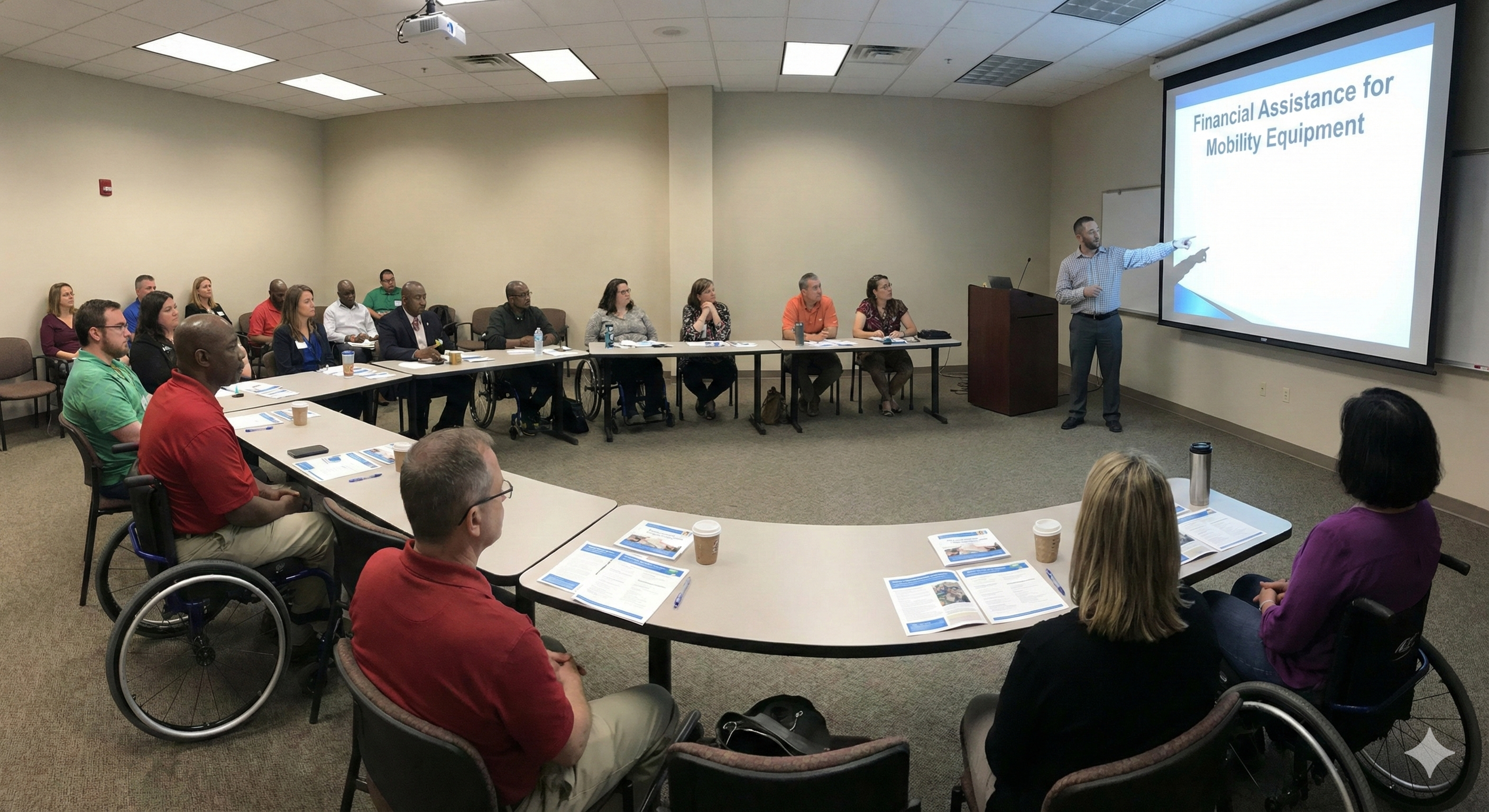
If your goal is to return to the workforce or enter it for the first time, your state’s Vocational Rehabilitation agency is a powerful ally.
Voc Rehab programs are federally funded state agencies that help people with disabilities get or keep a job. If a specific type of wheelchair (like a standing power chair or a lightweight rigid chair) is necessary for you to perform your job duties or get to work, Voc Rehab may fund 100% of the cost. They are often more flexible than medical insurance because their goal is employment, not just medical necessity.
3. Worker's Compensation
If your injury or disability occurred on the job, Worker's Compensation should be your first call. This is often the most comprehensive type of coverage, as it is legally required to cover medical expenses and equipment related to the injury. A dedicated case manager usually handles these requests, and approval can be faster than traditional insurance.
4. Non-Profit Grants and Foundations
This is where many people find the "missing link" in their funding. When insurance says "no" or only pays a fraction of the cost, non-profits step in. There are grants available for specific diagnoses (such as ALS, MS, or Spinal Cord Injuries) and general mobility grants.
-
Condition-Specific Grants: Organizations like the ALS Association, Muscular Dystrophy Association, or the Christopher & Dana Reeve Foundation often have equipment loan closets or grant programs.
-
General Mobility Grants: Foundations like the Challenge Athletes Foundation (for sports chairs) or Help Hope Live (for fundraising support) are excellent resources.
5. The Ultimate Resource: Our Grants & Funding Page
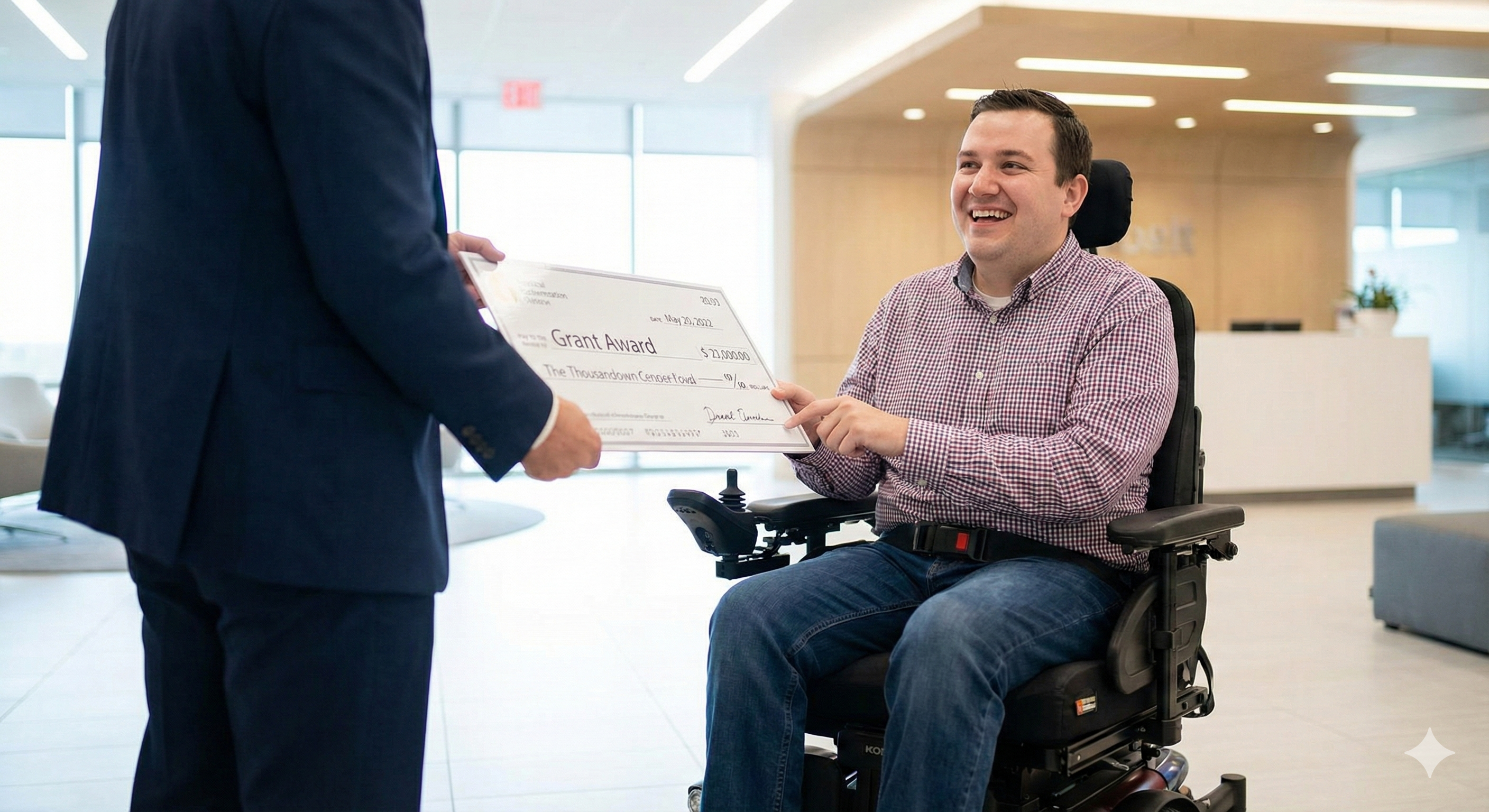
Searching for every individual grant can take hours. To make this process easier, we have compiled a massive, organized list of funding sources on our website.
We have categorized resources by state, diagnosis, and type of assistance to help you find the right fit for your situation. Whether you are looking for Worker's Comp info or niche private grants, this is your starting point.
?
6. Crowdfunding
In the digital age, community support is more accessible than ever. Platforms like GoFundMe or Help Hope Live allow you to tell your story and collect small donations that add up quickly.
Pro Tip: When setting up a campaign, be specific. Instead of asking for "money for a wheelchair," post a photo of the exact chair you want, explain why it will change your life (e.g., "This chair will allow me to play with my kids at the park"), and break down the costs. Donors love knowing exactly where their money is going.
Final Thoughts
Getting the right wheelchair is an investment in your health, freedom, and happiness. While the paperwork can be tedious, the result—a piece of equipment that fits your body and lifestyle perfectly—is worth the effort.
Don't let the sticker price discourage you. Start with your insurance, reach out to Voc Rehab if applicable, and dig into our